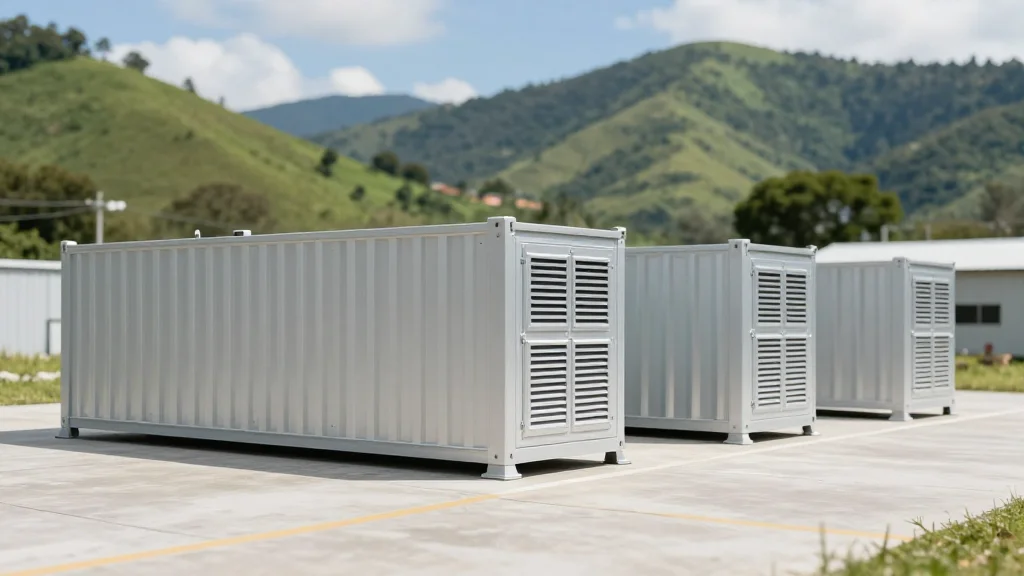
Colombia Approves Guidelines for Integrating Energy Storage Into Electricity System
Why It Matters
The decree provides regulatory certainty that unlocks financing for grid‑scale batteries, accelerating Colombia’s transition to a cleaner, more resilient power system and creating new revenue streams for investors.
Key Takeaways
- •Decree 0393 creates market rules for energy storage in Colombia.
- •Storage can earn revenue from frequency regulation, voltage support, and congestion relief.
- •CREG will set remuneration mechanisms and operational standards.
- •Non‑interconnected zones may replace diesel generators with storage‑renewable hybrids.
- •Framework aims to attract domestic and foreign investment in grid‑scale batteries.
Pulse Analysis
Colombia’s electricity market is at a pivotal juncture as variable renewable generation expands rapidly. Historically, the lack of clear rules for battery storage has deterred developers, leaving the grid vulnerable to intermittency and limiting the integration of solar and wind projects. Decree 0393 fills that gap by defining technical criteria, market access, and compensation structures for energy‑storage systems, aligning Colombia with global best practices and signaling a strategic shift toward a more flexible grid architecture.
The new framework positions storage as a multi‑service asset capable of providing primary and secondary frequency regulation, voltage support, congestion relief, and black‑start capabilities. By delegating remuneration design to CREG, the government ensures that pricing reflects the value of these ancillary services, creating viable business models for both domestic firms and foreign investors. The inclusion of energy‑shifting mechanisms—storing power during low‑demand periods for peak dispatch—opens additional revenue streams, encouraging larger-scale battery deployments and fostering a competitive market ecosystem.
For Colombia’s non‑interconnected zones, the decree could be transformative. Remote communities that currently rely on costly diesel generators stand to benefit from hybrid renewable‑storage solutions, reducing fuel imports and lowering operating expenses. This aligns with national goals of expanding energy access while curbing emissions. As the regulatory environment stabilizes, stakeholders can anticipate increased capital inflows, technology transfer, and a more resilient power infrastructure that supports the country’s broader climate and economic objectives.
Colombia approves guidelines for integrating energy storage into electricity system
Comments
Want to join the conversation?
Loading comments...