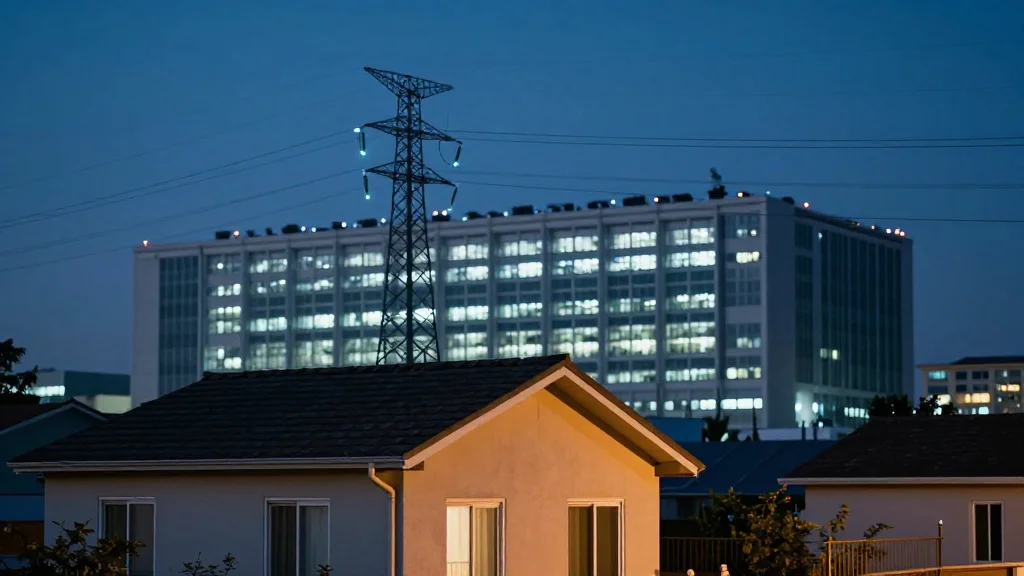
ComEd Lifts Residential Electric Rates 12% as AI Data Centers Surge

Why It Matters
The rate increase highlights a clash between rapid AI‑driven infrastructure growth and the capacity of legacy power systems to meet that demand sustainably. As data centers consume disproportionate amounts of electricity, the burden shifts to residential customers, raising equity concerns and prompting calls for policy mechanisms that internalize environmental costs. If Illinois imposes guardrails requiring data‑center operators to fund clean‑energy projects, it could set a precedent for other states grappling with similar demand spikes. Such a model would align private tech expansion with public climate goals, potentially accelerating the transition to renewable generation while protecting vulnerable ratepayers.
Key Takeaways
- •ComEd raises average residential electric bill from $107 to at least $120, a 12% increase effective June.
- •Rate hike driven by expiration of a nuclear‑renewable credit and higher PJM wholesale prices.
- •More than 80 data centers operate in northern Illinois; 75 additional large projects are proposed.
- •NRDC warns bills will keep rising unless data centers fund clean‑energy infrastructure.
- •Illinois lawmakers consider a bill to increase transparency and impose guardrails on data‑center development.
Pulse Analysis
ComEd’s announcement is a textbook case of how the AI boom is reshaping traditional utility economics. Historically, utilities have recouped capital costs through regulated rates, but the rapid, demand‑intensive expansion of data centers introduces a new variable that existing rate‑case frameworks are ill‑equipped to handle. The utility’s reliance on PJM’s market‑based pricing means that any surge in demand—whether from AI workloads or cryptocurrency mining—translates directly into higher consumer bills, a dynamic that regulators have struggled to mitigate.
Illinois stands at a crossroads. By forcing data‑center developers to internalize the cost of clean‑energy procurement, the state could create a market‑based solution that aligns private incentives with public climate objectives. This approach mirrors European models where large energy users are mandated to purchase renewable energy certificates or invest in local generation. If successful, it would alleviate pressure on residential customers while driving capital toward wind and solar projects needed to replace retiring coal plants.
However, the political calculus is delicate. Tech firms wield significant lobbying power, and any additional cost burden could incentivize them to relocate to jurisdictions with more favorable energy policies. The outcome of the pending oversight bill will therefore signal whether Illinois prioritizes climate resilience and consumer protection over maintaining its attractiveness as a data‑center hub. The decision will reverberate across the broader U.S. utility landscape, where similar tensions are emerging in California, Texas, and the Pacific Northwest.
ComEd lifts residential electric rates 12% as AI data centers surge
Comments
Want to join the conversation?
Loading comments...