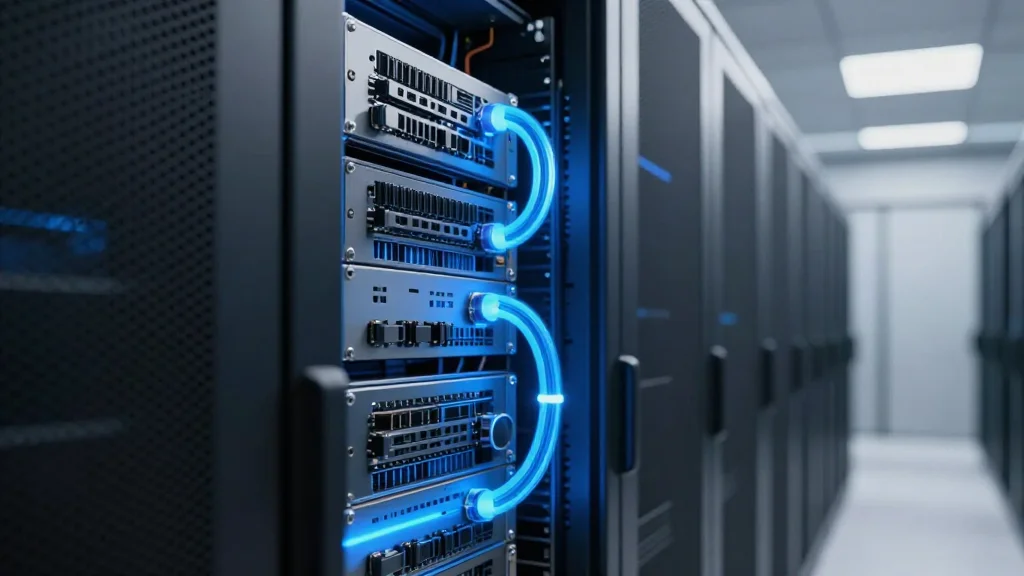
Cooling Down the Heat: Why Liquid Cooling Is Now Mission-Critical for AI Datacenters
Companies Mentioned
Why It Matters
Without efficient cooling, datacenters risk overheating, higher energy costs, and limited AI scalability, threatening competitive advantage. Early adoption of liquid cooling positions firms to meet growing demand while controlling operational expenses.
Key Takeaways
- •AI/HPC spend projected to rise 52% in next 1‑2 years
- •Global datacenter energy use expected to hit 915 TWh by 2028
- •Conventional air cooling insufficient for AI‑driven heat loads
- •Liquid cooling provides higher efficiency and density for AI workloads
- •Early adopters with OEM guidance can scale sustainably
Pulse Analysis
The acceleration of AI and high‑performance computing (HPC) workloads is reshaping datacenter design. IDC’s latest InfoBrief, based on a survey of 1,230 IT decision‑makers, shows AI‑related spending climbing at more than half the rate of traditional IT investments. This rapid growth translates into unprecedented thermal loads, forcing operators to confront the limits of conventional air‑cooling architectures. As servers become denser and power densities rise, the risk of hot‑spot failures and soaring electricity bills intensifies, prompting a strategic pivot toward more effective thermal management.
Liquid cooling emerges as the most viable answer to the heat challenge. By directly removing heat from CPUs, GPUs, and memory modules using dielectric fluids or chilled water, these systems achieve up to 30% higher energy efficiency and enable rack densities that air cooling cannot support. Vendors such as Lenovo are integrating liquid‑cooling modules into AI‑optimized servers, simplifying deployment and reducing the need for extensive retrofits. While upfront capital costs and integration complexity remain barriers, the long‑term savings in power usage effectiveness (PUE) and the ability to sustain higher compute throughput make liquid cooling a mission‑critical investment for forward‑looking enterprises.
Looking ahead, IDC predicts global datacenter electricity consumption will nearly triple to 915 terawatt‑hours by 2028, underscoring the urgency of sustainable cooling solutions. Companies that partner with experienced OEMs to design, test, and scale liquid‑cooling infrastructures will not only mitigate energy costs but also align with broader ESG goals. As AI workloads become the backbone of digital transformation, mastering thermal efficiency will be a decisive factor in maintaining competitive edge and operational resilience.
Cooling down the heat: Why liquid cooling is now mission-critical for AI datacenters
Comments
Want to join the conversation?
Loading comments...