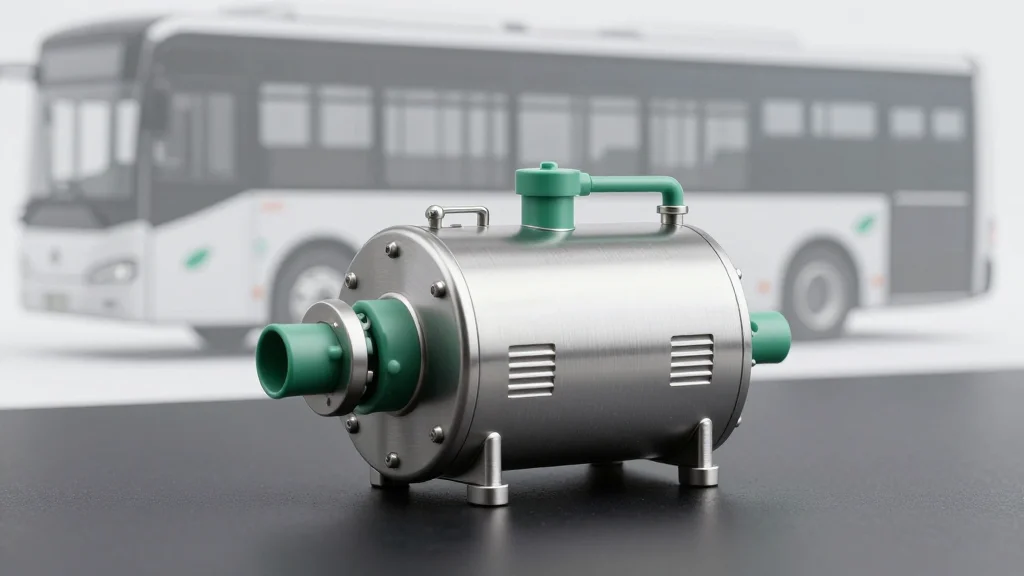
Cuba’s First Biomethane Plant: Renewable Fuel for Buses and Electricity
Why It Matters
The project cuts Cuba’s reliance on imported fossil fuels while showcasing EU climate financing as a catalyst for Caribbean renewable‑energy pilots, potentially reshaping regional transport and energy policy.
Key Takeaways
- •EU/UNDP funded Cuba's first biomethane plant in Matanzas
- •Plant processes 150 m³/h raw biogas, yielding ~40 kg biomethane
- •Five buses and two vans will run on biomethane by April 19
- •Facility also generates electricity from lower‑grade gas
- •Success could inspire similar projects across Latin America
Pulse Analysis
The Martí biomethane plant marks a watershed for Cuba’s energy landscape, merging European climate aid with local expertise. Developed under the Global Climate Change Alliance Plus framework, the €‑backed facility converts waste from nearby pig farms into clean fuel, delivering 150 cubic meters of raw biogas per hour and producing about 40 kilograms of purified biomethane. Its modular design, overseen by Cupet’s engineering units and Spanish specialists, enables rapid commissioning and positions the site as a prototype for renewable transport in the Caribbean.
Beyond powering five municipal buses and two vans, the plant’s dual‑use generator can run on lower‑purity methane to supply electricity for its own operations, creating a closed‑loop energy system. By substituting imported diesel and gasoline, Cuba stands to improve energy security, lower transportation costs, and reduce greenhouse‑gas emissions. The project also adds value to agricultural waste, turning pig‑farm digesters into a steady feedstock and illustrating a circular‑economy model that other island economies could replicate.
However, the venture faces operational hurdles. Biomethane output hinges on consistent livestock waste, and recent reductions in pig populations due to feed shortages threaten feedstock stability. Technical adjustments, such as sensor calibration and gas‑storage management, are underway to mitigate these risks. If the pilot proves reliable, the EU’s climate financing could unlock further renewable‑energy projects across Latin America, encouraging governments to adopt similar public‑private partnerships and accelerate the region’s transition away from fossil fuels.
Cuba’s First Biomethane Plant: Renewable Fuel for Buses and Electricity
Comments
Want to join the conversation?
Loading comments...