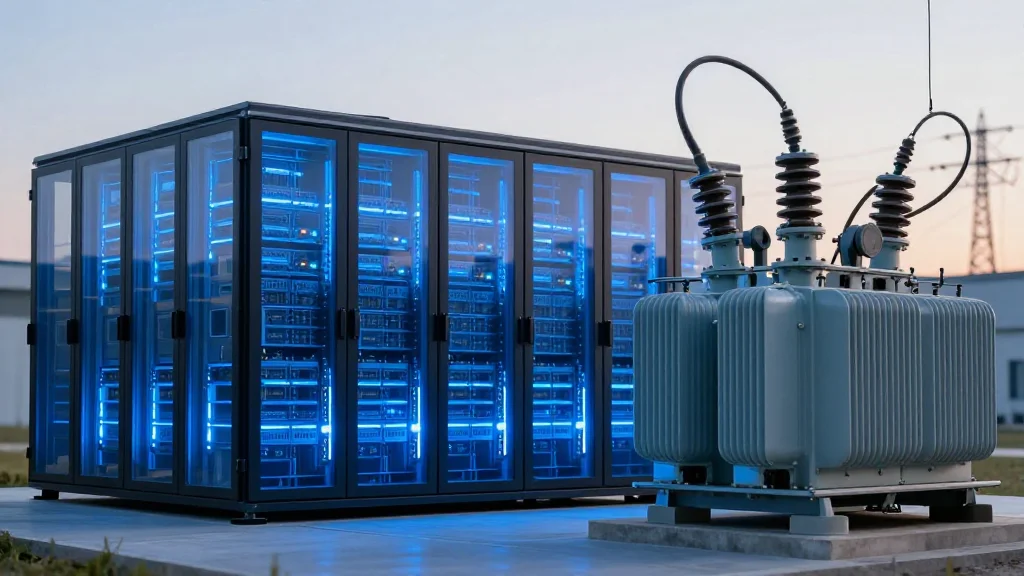
Data Centers and the Grid: How Hyperscale Computing Is Reshaping Power Infrastructure
Why It Matters
Power bottlenecks threaten the rapid rollout of AI‑powered computing, forcing utilities and developers to rethink grid investment and location strategies, which could reshape regional economic dynamics.
Key Takeaways
- •Global data‑center power use could top 1,000 TWh by early 2030s.
- •AI racks now draw 50‑100 kW, ten times traditional densities.
- •Transformer lead times exceed two years, slowing data‑center deployments.
- •Interconnection queues add years to grid upgrades versus months for builds.
- •Behind‑the‑meter nuclear, hydrogen, and geothermal gain investor interest.
Pulse Analysis
The hyperscale wave, propelled by generative AI and cloud expansion, is reshaping electricity demand patterns. A single campus can consume 300‑600 MW—comparable to a mid‑size city—pushing total global data‑center consumption toward the 1,000 TWh mark by the early 2030s. This unprecedented load growth forces developers to prioritize locations with robust grid capacity, while utilities scramble to accommodate spikes that outpace traditional planning cycles.
Grid operators confront a cascade of technical hurdles. High‑voltage substations, multiple 230‑kV or 345‑kV feeds, and N‑1‑rated transformer arrays are now prerequisites for 400‑MW campuses. Yet global transformer factories are operating at capacity, delivering lead times of two years or more. Interconnection queues in regions like Northern Virginia, Texas, and Ireland are swelling, creating a five‑to‑ten‑year gap between transmission upgrades and data‑center construction. The resulting mismatch threatens project timelines and inflates capital costs for both utilities and hyperscalers.
To bridge the supply gap, stakeholders are turning to behind‑the‑meter (BTM) power sources. Small modular nuclear reactors, hydrogen fuel cells, and enhanced geothermal systems promise on‑site, weather‑independent generation that can offset grid stress. Coupled with renewable PPAs and large‑scale battery storage, these solutions expand viable site options beyond traditional power corridors. As utilities integrate BTM resources into planning, the industry may see a more distributed, resilient grid architecture that supports the next generation of AI‑intensive workloads.
Data Centers and the Grid: How Hyperscale Computing Is Reshaping Power Infrastructure
Comments
Want to join the conversation?
Loading comments...