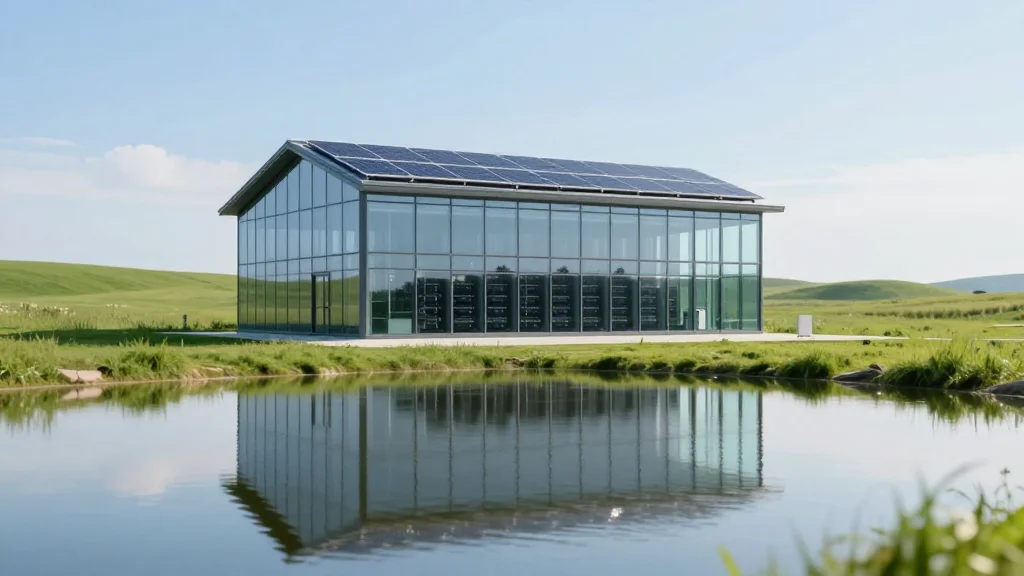
Data Centers Aren’t the Enemy — They’re the Future
Companies Mentioned
Why It Matters
Data centers are a critical infrastructure pillar for AI and cloud services; limiting them could erode U.S. economic competitiveness and delay productivity gains. Thoughtful regulation can balance community concerns with the sector’s outsized economic impact.
Key Takeaways
- •4,000 U.S. data centers, 3,000 more planned.
- •Data centers added $727 B to U.S. GDP in 2023.
- •AI-driven demand could double electricity use by 2030.
- •Water use per large center equals ~2.5 fast‑food restaurants.
- •Policymakers urged to streamline permits, not impose moratorium.
Pulse Analysis
The rapid proliferation of data centers reflects the escalating demand for cloud computing, video streaming, and especially artificial‑intelligence workloads. With an estimated $450 billion in global capital spending in 2024, these facilities have become the backbone of modern services, from banking transactions to telehealth. Their economic footprint is stark: a Bloomberg‑cited study attributes $727 billion of U.S. GDP in 2023 to data‑center activity, and each job created supports roughly six additional positions across the economy. This multiplier effect underscores why the sector is viewed as a catalyst for broader productivity gains.
However, the expansion is not without friction. Energy consumption surged 17 % in 2025, and AI‑focused sites are projected to double electricity demand by 2030, straining grids in regions already facing capacity constraints. Water usage, while often portrayed as excessive, is comparable to the consumption of a few fast‑food restaurants per large facility, yet it can still pressure local supplies. Communities cite noise, visual impact, and infrastructure strain, prompting lawsuits and legislative proposals, including a nationwide moratorium that could stall $156 billion of prospective investment.
Policymakers face a choice: impede growth or enable it through smart regulation. Recommendations include mandating transparency on water and power use, incentivizing recycled‑water cooling, and requiring developers to fund grid upgrades and local infrastructure. Streamlined permitting and flexible interconnection standards can reduce lead times, while dynamic pricing can align demand with supply. By aligning data‑center incentives with public interests, the United States can preserve its AI leadership, sustain economic momentum, and turn what some see as a nuisance into a strategic asset for the future.
Data Centers Aren’t the Enemy — They’re the Future
Comments
Want to join the conversation?
Loading comments...