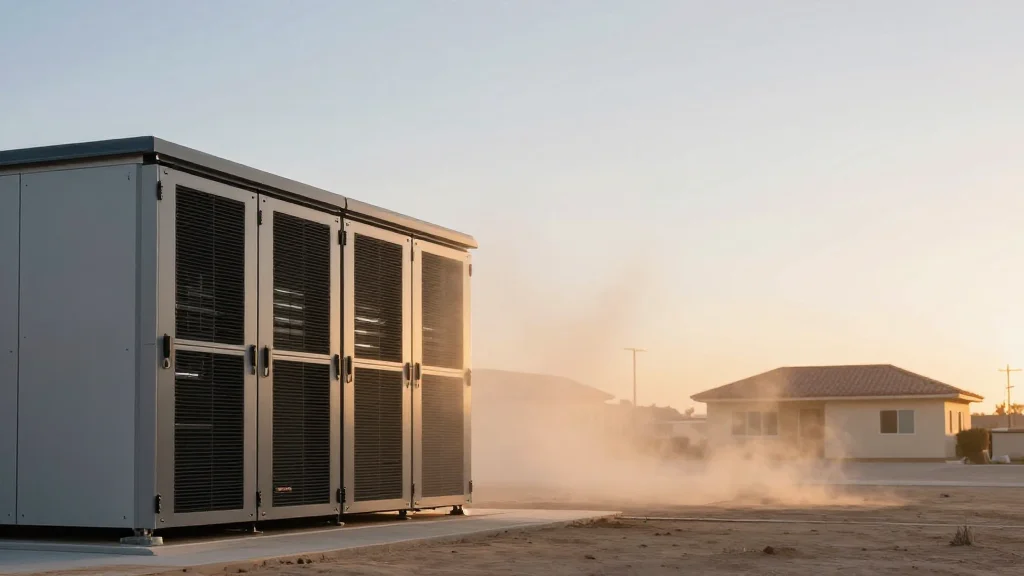
Data Centers Raise Temperatures up to 4 Degrees in Nearby Neighborhoods: Study
Why It Matters
Elevated waste heat from proliferating data centers adds to urban heat islands, driving higher air‑conditioning demand and stressing local power grids during peak summer months.
Key Takeaways
- •Data centers raised nearby temps up to 4 °F (≈2.2 °C).
- •Four Phoenix sites ranged 36‑169 MW, using air‑cooled condensers.
- •Waste‑heat intensity reached 2,000‑6,000 W/m², far above buildings.
- •Projected U.S. data‑center count could double by 2030.
- •Mitigation includes taller fans, open rooftops, evaporative cooling.
Pulse Analysis
The Phoenix study spotlights a growing, often overlooked externality of the digital economy: waste heat that radiates from massive, air‑cooled data centers into surrounding neighborhoods. While each facility’s cooling system is designed to protect servers, the expelled hot air creates localized thermal plumes that can push ambient temperatures a few degrees higher. In a city already battling summer highs above 100 °F, even a one‑degree rise translates into measurable spikes in residential air‑conditioning usage, amplifying electricity demand and compounding the urban heat‑island effect.
Industry analysts warn that the issue will magnify as data‑center capacity expands. The U.S. Energy Information Administration projects data‑center electricity consumption to climb sharply, and a doubling of facilities by 2030 could double the aggregate waste‑heat footprint. This creates a feedback loop: higher ambient temperatures drive more cooling, which in turn releases additional heat. Cities with dense data‑center clusters—such as Phoenix, Dallas, and Atlanta—may need to integrate heat‑management strategies into zoning and building codes to avoid exacerbating climate‑related stress on power grids and public health.
Mitigation pathways are already emerging. Researchers suggest installing higher‑velocity vertical fans to loft hot plumes above the mixing layer, keeping rooftop equipment exposed to promote dispersion, and adopting evaporative cooling to lower exhaust temperatures. More transformative, however, is the shift toward liquid‑cooling systems that submerge servers, dramatically reducing atmospheric heat release. Policymakers, developers, and operators must weigh these options against capital costs, as proactive heat‑control measures can safeguard community comfort while supporting the continued growth of the digital infrastructure that underpins modern commerce.
Data centers raise temperatures up to 4 degrees in nearby neighborhoods: study
Comments
Want to join the conversation?
Loading comments...