Data Centers Threaten State Renewable Goals, Raising Power and Water Concerns

Companies Mentioned
Why It Matters
The clash between data‑center expansion and state renewable commitments spotlights a critical inflection point for climate‑tech policy. Power utilities must reconcile the high‑intensity electricity load of AI workloads with decarbonization pathways, while water regulators grapple with evaporative‑cooling footprints that could deplete aquifers already under stress. How quickly regulators can impose transparent reporting and incentivize low‑water, renewable‑powered designs will shape the viability of large‑scale AI infrastructure and determine whether the sector accelerates or hinders broader climate goals. Beyond the immediate resource strain, the situation tests the scalability of climate‑tech solutions such as utility‑scale solar, battery storage, and advanced cooling technologies. Successful integration could demonstrate a blueprint for high‑growth digital economies to coexist with aggressive emissions targets, while failure would underscore the need for stricter limits on data‑center siting and a re‑evaluation of AI’s energy appetite.
Key Takeaways
- •NV Energy says data centers will need three times the electricity needed for Las Vegas, threatening Nevada's 50% renewable target by 2030.
- •A single hyperscale data center in Texas can consume millions of gallons of water per day, comparable to a small city's usage.
- •NextEra Energy dropped its zero‑emissions‑by‑2045 goal, citing rising power demand from data centers.
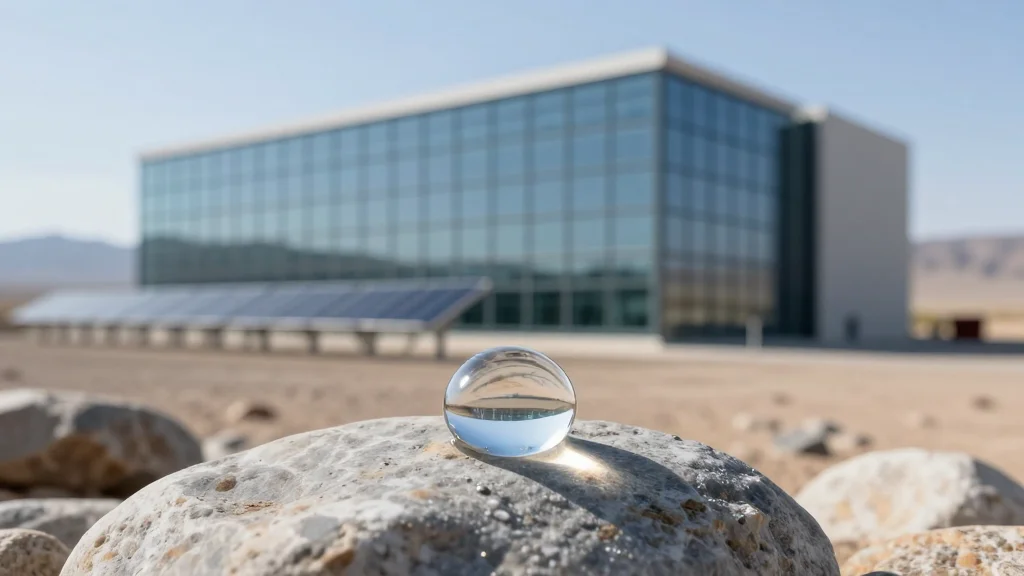
- •Switch data center in Nevada operates on 1 GW of on‑site solar and can disconnect from the grid during peak heat.
- •Alberta plans the world’s largest AI compute data‑center park, prompting reviews of water‑right allocations and grid capacity.
Pulse Analysis
The data‑center boom is exposing a structural mismatch between digital infrastructure growth and legacy utility planning. Historically, utilities have managed incremental load growth with predictable demand curves; AI‑driven workloads, however, introduce spikes that can outpace renewable‑energy ramp‑up and water‑availability forecasts. This creates a risk premium for climate‑tech investors who must now assess not just the carbon intensity of power sources but also the water intensity of cooling systems.
In the short term, we can expect a wave of regulatory activity. Texas’s push for mandatory water‑use reporting could become a model for other states, forcing data‑center operators to adopt closed‑loop or air‑side cooling technologies that, while more capital‑intensive, reduce water draw. Nevada’s debate over tax incentives tied to renewable sourcing may spur more facilities like Switch to build on‑site solar, but the scale required to offset a three‑fold increase in demand is massive and will likely need federal or state subsidies.
Long‑term, the sector’s trajectory will hinge on two variables: the pace of renewable‑energy deployment and the evolution of low‑water cooling tech. If solar and storage can be built quickly enough to meet the projected megawatt‑hour loads, data centers could become a new anchor for clean‑energy markets, similar to how electric‑vehicle charging stations are reshaping grid investment. Conversely, if water scarcity intensifies, regulators may impose caps on evaporative cooling, driving up operational costs and potentially slowing AI‑centric data‑center expansion. Investors should monitor policy developments in Nevada, Texas, and Alberta as leading indicators of how the climate‑tech ecosystem will adapt to this resource tug‑of‑war.
Data Centers Threaten State Renewable Goals, Raising Power and Water Concerns
Comments
Want to join the conversation?
Loading comments...