Datong Launches Clean‑Energy Retraining for 800,000 Coal Miners

Why It Matters
Datong’s transition illustrates the human dimension of China’s aggressive decarbonization agenda. By targeting the retraining of a massive mining workforce, the city tackles both employment stability and the nation’s climate commitments, offering a potential template for other coal‑heavy provinces. Successful conversion of miners to clean‑energy roles could accelerate China’s goal of peaking carbon emissions before 2030 and achieving carbon neutrality by 2060. The initiative also signals a shift in investment patterns: capital that once flowed into coal extraction is being redirected toward renewable infrastructure, hydrogen production, and tourism. If Datong can demonstrate scalable, job‑preserving pathways, it may attract further domestic and foreign funding for low‑carbon projects, reinforcing China’s position in the global clean‑energy market.
Key Takeaways
- •Datong’s post‑mining plan targets retraining of 800,000 miners for clean‑energy jobs.
- •Shanxi produced 1.3 billion tons of coal in 2025, about one‑third of China’s total.
- •Retired miner Yang Haiming now earns more than the 10,000 RMB (~$1,450) peak monthly wage he earned in the mines.
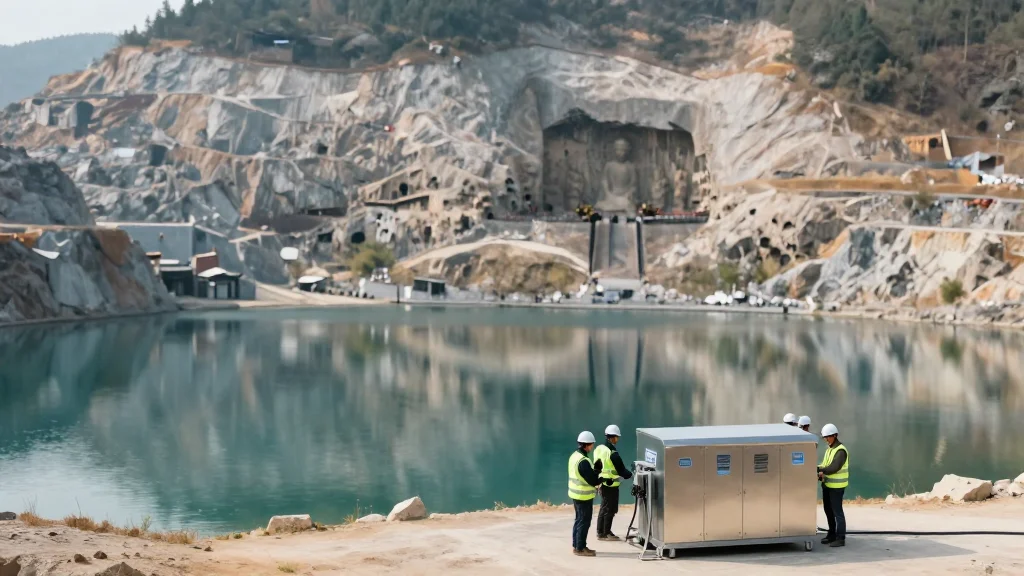
- •Tourism around Yungang Grottoes is expanding, with former mine sites converted into museums.
- •Coal‑to‑hydrogen projects are being promoted as a new industrial pillar for the province.
Pulse Analysis
Datong’s strategy reflects a pragmatic blend of economic diversification and climate policy. Historically, China’s coal towns have been built around state‑owned enterprises that provided not just jobs but entire social ecosystems—schools, housing, and community services. The abrupt policy shift toward renewables threatens to unravel that fabric, making the government’s focus on retraining essential rather than optional. By leveraging existing infrastructure—rail lines, housing, and the cultural draw of the Yungang Grottoes—the city reduces the cost of transition while creating new revenue streams.
The hydrogen angle is particularly noteworthy. Coal‑to‑hydrogen conversion can repurpose stranded assets, offering a lower‑carbon bridge for regions that cannot instantly replace coal with wind or solar due to grid constraints. If successful, Datong could become a case study in how legacy fossil‑fuel hubs can pivot to emerging clean‑energy markets without massive layoffs. However, the human element remains the biggest risk: as Tom Wang points out, skill mismatches could stall the shift, leading to social unrest and slower adoption of clean technologies.
Looking ahead, the key metric will be the number of miners who complete certified clean‑energy training and secure employment in the new sectors. If Datong can report measurable job placement figures within the next two years, it will likely attract additional policy support and private investment, reinforcing China’s broader climate ambitions. Conversely, a failure to deliver tangible outcomes could undermine confidence in similar transition plans across the country, slowing the pace of decarbonization.
Datong Launches Clean‑Energy Retraining for 800,000 Coal Miners
Comments
Want to join the conversation?
Loading comments...