Defect Networks Boost Performance of Next Generation Perovskite Solar Cells
•March 4, 2026
0
Why It Matters
By turning intrinsic defects into functional charge‑transport pathways, the research offers a scalable route to high‑efficiency, inexpensive photovoltaics, accelerating perovskite adoption in the renewable‑energy market.
Key Takeaways
- •Domain walls create internal electric fields separating charge carriers
- •Silver‑ion staining visualizes perovskite bulk domain‑wall network
- •Defect‑rich perovskites achieve silicon‑comparable efficiencies
- •Engineering wall density offers new performance optimization route
- •Low‑cost solution processing remains viable with defect‑enabled transport
Pulse Analysis
Perovskite photovoltaics have surged over the past decade, promising low‑cost, high‑efficiency solar panels that could outpace traditional silicon. Yet their solution‑based manufacturing leaves a lattice riddled with vacancies, grain boundaries, and other imperfections that, in conventional semiconductors, would cripple carrier lifetimes. The paradox—exceptional performance despite disorder—has spurred intense investigation into the material's underlying physics, with researchers probing exciton dynamics, trap states, and bulk photovoltaic effects to reconcile conflicting observations.
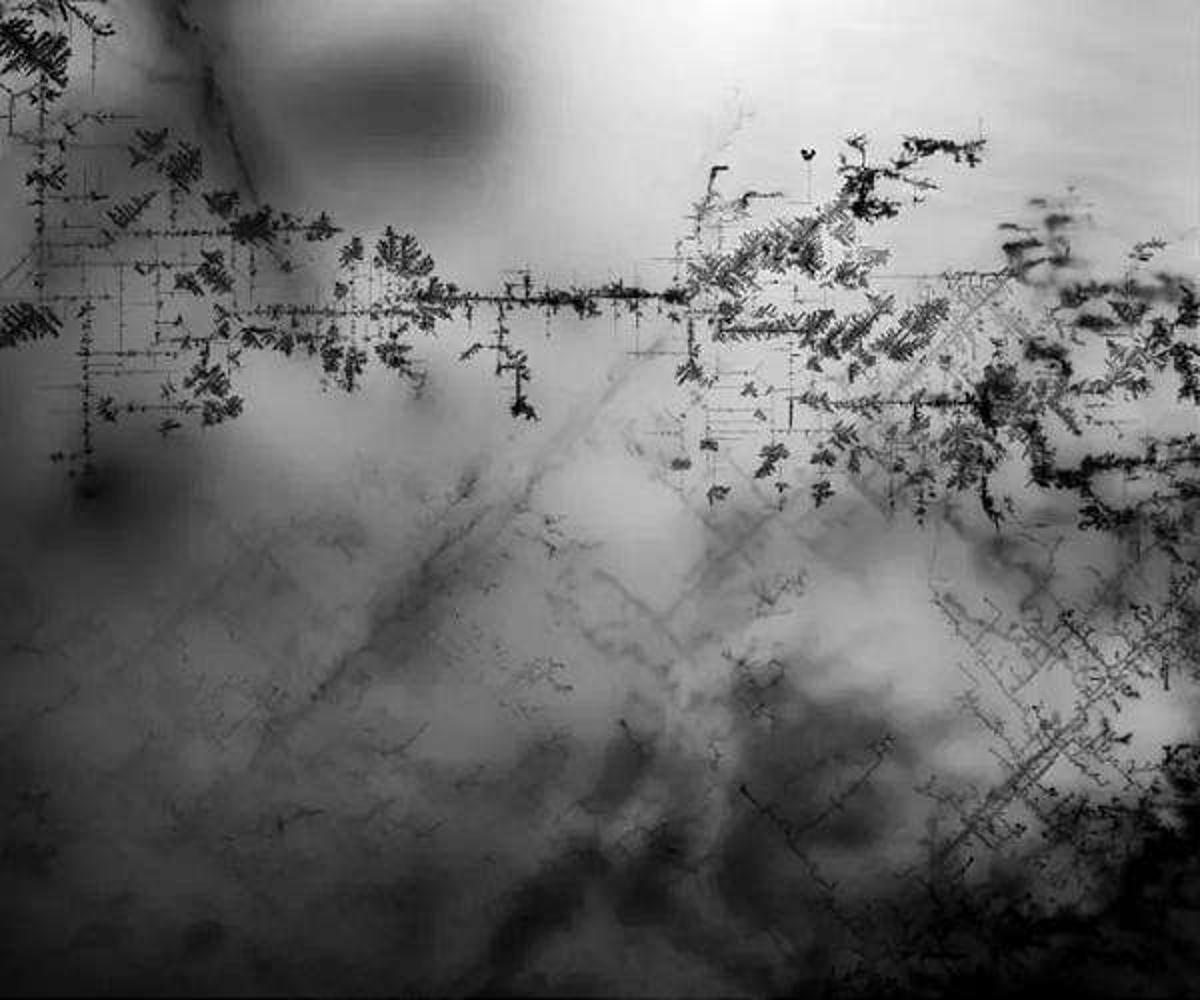
The ISTA team tackled this mystery by focusing on the bulk interior of single‑crystal perovskites. Employing nonlinear optical excitation, they detected spontaneous photocurrents in the absence of external bias, hinting at built‑in fields. Their breakthrough came from an electrochemical staining method: silver ions migrated preferentially to domain walls, where they were reduced to metallic filaments visible under optical microscopy. The resulting images revealed an extensive, interconnected network of domain walls that break local symmetry and generate strong internal electric fields, effectively pulling apart electron‑hole pairs and guiding them over micrometer distances toward electrodes.
These insights reshape how the industry approaches perovskite optimization. Rather than striving for ever‑purer crystals—a costly and counter‑productive goal—manufacturers can now target the density, orientation, and connectivity of domain‑wall networks through compositional tuning and processing conditions. Such defect‑engineered designs preserve the inexpensive, solution‑based roll‑to‑roll fabrication that makes perovskites attractive for large‑scale deployment, while delivering silicon‑level power conversion efficiencies. As the sector moves toward commercial modules, integrating domain‑wall engineering could accelerate market entry, lower balance‑of‑system costs, and solidify perovskites as a cornerstone of next‑generation renewable energy.
Defect networks boost performance of next generation perovskite solar cells
0
Comments
Want to join the conversation?
Loading comments...