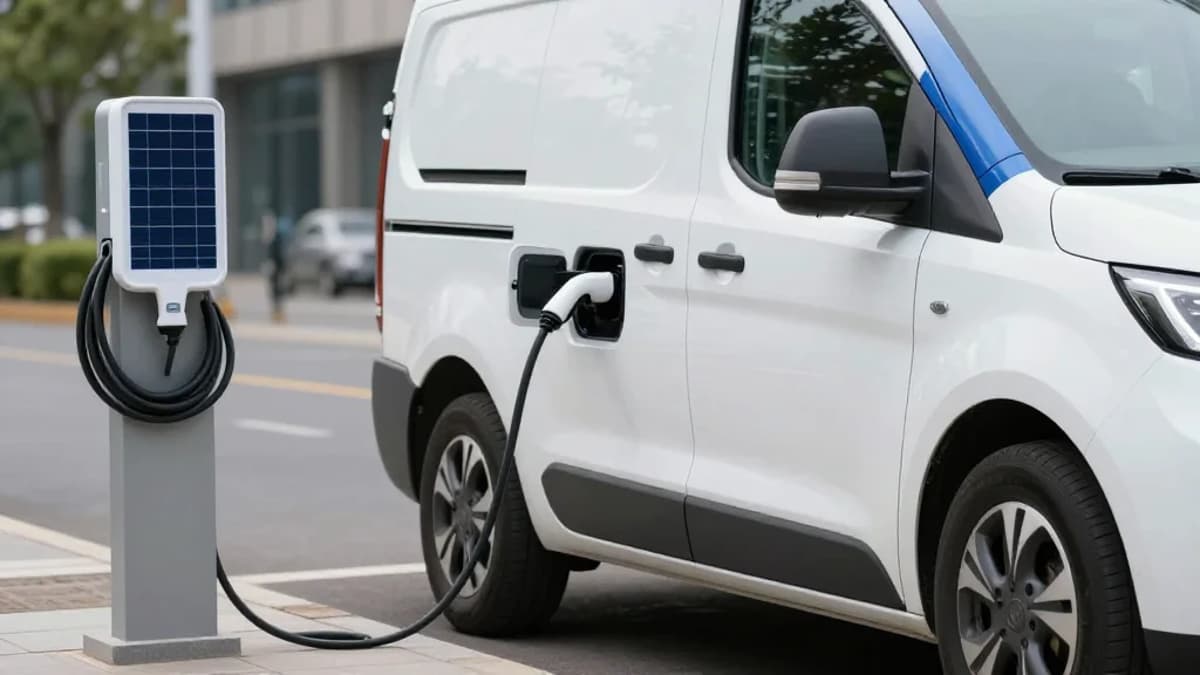
Delhivery Ties up with RIDEV to Deploy 150 EVs for Last-Mile Deliveries
•February 16, 2026
0
Why It Matters
The initiative accelerates fleet electrification, cutting emissions while lowering operating costs for gig‑based delivery partners, a key lever for India’s green logistics transition.
Key Takeaways
- •150 EVs deployed across Delhi-NCR, Bengaluru, Hyderabad.
- •Pilot cut CO2 by 4,260 kg, costs >50% lower.
- •EV-as-a-Service model removes upfront capital for gig workers.
- •Delhivery already operates 1,000 electric two-, three-, four-wheelers.
- •Future rollout targets Mumbai, Pune, Chennai, Goa hubs.
Pulse Analysis
India’s logistics sector is at a tipping point as e‑commerce volumes surge and regulatory pressure mounts to curb urban pollution. Large parcel carriers like Delhivery are leveraging electric mobility not just as a compliance measure but as a competitive advantage, offering faster, quieter deliveries that resonate with environmentally conscious consumers. By integrating Ridev’s high‑performance two‑wheelers, Delhivery taps into a growing ecosystem of EV manufacturers, battery‑swap networks, and smart fleet management platforms that together lower total cost of ownership.
The EV‑as‑a‑Service model is a pragmatic response to the capital constraints faced by gig workers who form the backbone of last‑mile networks. Instead of requiring riders to purchase expensive batteries or vehicles, the leasing arrangement bundles maintenance, charging, and insurance, enabling rapid adoption and reducing downtime. The pilot’s results—over 4 metric tonnes of CO₂ avoided and a 50 percent cost cut—demonstrate tangible financial and environmental benefits, reinforcing the business case for scaling electric fleets across dense urban corridors.
Looking ahead, Delhivery’s roadmap to replace internal‑combustion vehicles with electric alternatives aligns with India’s broader decarbonisation targets and the company’s own carbon‑neutrality pledge. The phased expansion to Mumbai, Pune, Chennai and Goa will test the model in varied market conditions, potentially setting a benchmark for other logistics providers. As more carriers adopt similar leasing frameworks, the cumulative impact could reshape the country’s urban freight landscape, driving down emissions, easing congestion, and creating a more sustainable supply chain ecosystem.
Delhivery ties up with RIDEV to deploy 150 EVs for last-mile deliveries
0
Comments
Want to join the conversation?
Loading comments...