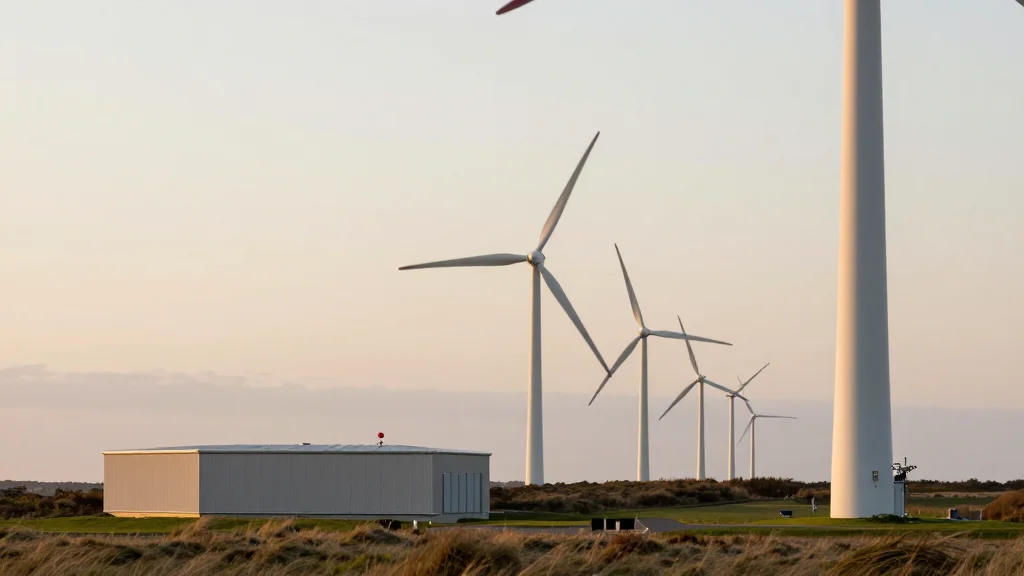
Denmark Halts New Data‑Center Grid Connections Amid 60 GW Queue

Companies Mentioned
Why It Matters
The Danish moratorium highlights a fundamental tension between the continent’s clean‑energy ambitions and the exploding power needs of AI‑driven data‑centers. By forcing a pause, Denmark forces policymakers to confront how to allocate scarce renewable capacity without stifling high‑value tech investment. If other European nations adopt similar caps, the global data‑center supply chain could shift toward regions with more flexible grid policies or faster renewable expansion, reshaping where AI workloads are trained and deployed. The outcome will influence both the pace of AI innovation and the trajectory of Europe’s decarbonisation targets.
Key Takeaways
- •Energinet imposed a three‑month moratorium on new data‑center grid connections
- •A 60 GW queue—nine times Denmark’s 7 GW peak demand—includes 14 GW from data‑centers
- •Installed data‑center capacity stands at 398 MW, with 208 MW under construction
- •Microsoft pledged $3 billion for Danish data‑center projects (2023‑2027)
- •Industry calls for stricter eligibility criteria to prioritize mature, high‑value projects
- •
Pulse Analysis
Denmark’s decision is a watershed for the ClimateTech sector because it forces a reckoning between renewable‑energy supply and the electricity intensity of AI. Historically, the Nordics attracted data‑centers precisely for their abundant wind power and cool climate, which lowered cooling costs and carbon footprints. The current overload shows that even a grid powered by 80 percent renewables can be outpaced by demand spikes when AI workloads scale faster than anticipated.
From a market perspective, the moratorium could accelerate a regional rebalancing of data‑center investment. Operators may pivot to neighboring countries with less restrictive connection policies or invest in on‑site generation and micro‑grids to sidestep national bottlenecks. This shift could spur a wave of hybrid solutions—combining renewable PPAs, battery storage, and advanced cooling—to meet AI’s power appetite without compromising grid stability.
Looking ahead, the policy outcome will set a precedent for how European regulators integrate AI‑driven electricity demand into their energy transition roadmaps. If Denmark adopts a transparent, criteria‑based allocation framework, it could become a model for balancing climate goals with high‑tech growth. Conversely, a prolonged freeze without clear guidelines may drive capital away, weakening Europe’s position in the global AI infrastructure race. Stakeholders should monitor the upcoming post‑election energy policy agenda and any announced grid‑upgrade investments, as these will dictate whether Denmark can sustain its clean‑energy brand while accommodating the next generation of AI workloads.
Denmark Halts New Data‑Center Grid Connections Amid 60 GW Queue
Comments
Want to join the conversation?
Loading comments...