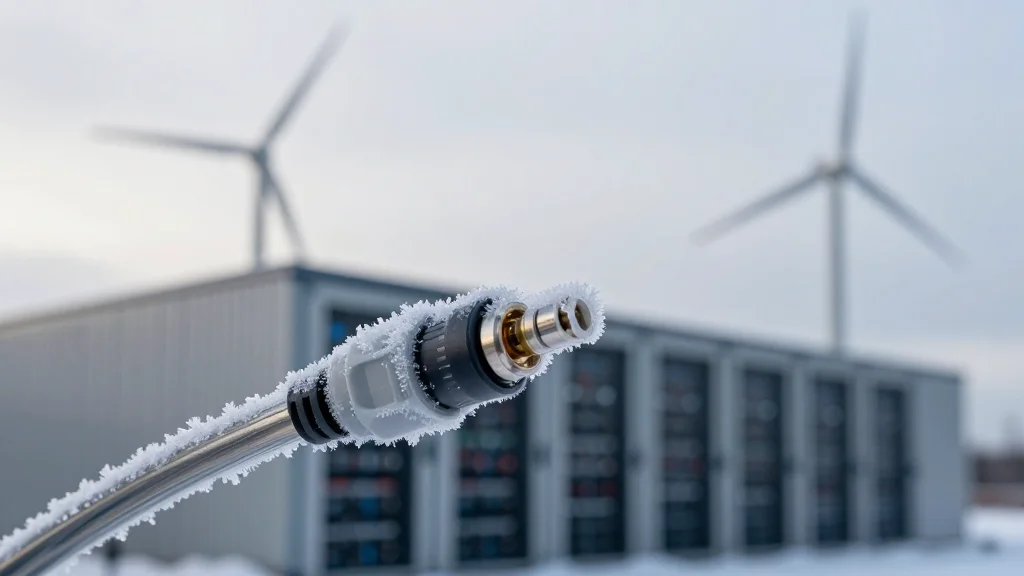
Denmark Pauses New Data‑Center Grid Connections as 60 GW Queue Swells

Companies Mentioned
Why It Matters
The Danish moratorium underscores the fragile balance between the AI boom and climate‑tech objectives. As data centers consume increasing amounts of renewable electricity, unchecked growth could jeopardize national emissions targets and strain grid reliability. By forcing the industry to prioritize projects with clear investment and societal value, Denmark aims to align digital expansion with its climate commitments. If other renewable‑heavy economies adopt similar queue‑management tactics, the sector may see a shift toward more localized power solutions, such as on‑site solar or wind farms, and greater reliance on long‑term power purchase agreements. This could accelerate innovation in low‑carbon data‑center design while ensuring that the broader energy transition remains on track.
Key Takeaways
- •Energinet placed a temporary freeze on new data‑center grid connections amid a 60 GW backlog.
- •Data‑center projects account for roughly 14 GW of the pending connections, about 25% of the queue.
- •Denmark’s peak electricity demand is around 7 GW, highlighting the scale of the overload.
- •DDI CEO Henrik Hansen called for stricter criteria to prioritize mature, high‑value projects.
- •The pause may prompt wider adoption of on‑site renewables and stricter grid‑planning models.
Pulse Analysis
Denmark’s abrupt pause is a wake‑up call for the climate‑tech ecosystem that has long relied on the Nordics’ abundant renewable supply. Historically, the region’s low‑carbon credentials have been a selling point for hyperscale cloud providers seeking to offset the carbon intensity of AI workloads. However, the current surge in capacity requests reveals a structural mismatch: the grid’s physical limits are being outpaced by digital demand, a problem that cannot be solved by adding more wind turbines alone.
In the short term, the moratorium will likely push developers toward jurisdictions with more flexible grid policies, potentially redistributing AI workloads to markets with less stringent climate oversight. Over the longer horizon, the episode could catalyze a wave of investment in decentralized power solutions—micro‑grids, battery storage, and direct renewable PPAs—allowing data centers to decouple from congested national grids. Companies that can demonstrate self‑sufficiency or robust sustainability metrics may gain a competitive edge in securing the limited connection slots that remain.
Strategically, the Danish case may inspire regulators across Europe to pre‑emptively embed capacity‑forecasting tools that factor AI‑driven demand into grid expansion plans. By doing so, policymakers can avoid reactive moratoria and instead guide the industry toward a more sustainable growth trajectory that aligns with net‑zero ambitions.
Denmark Pauses New Data‑Center Grid Connections as 60 GW Queue Swells
Comments
Want to join the conversation?
Loading comments...