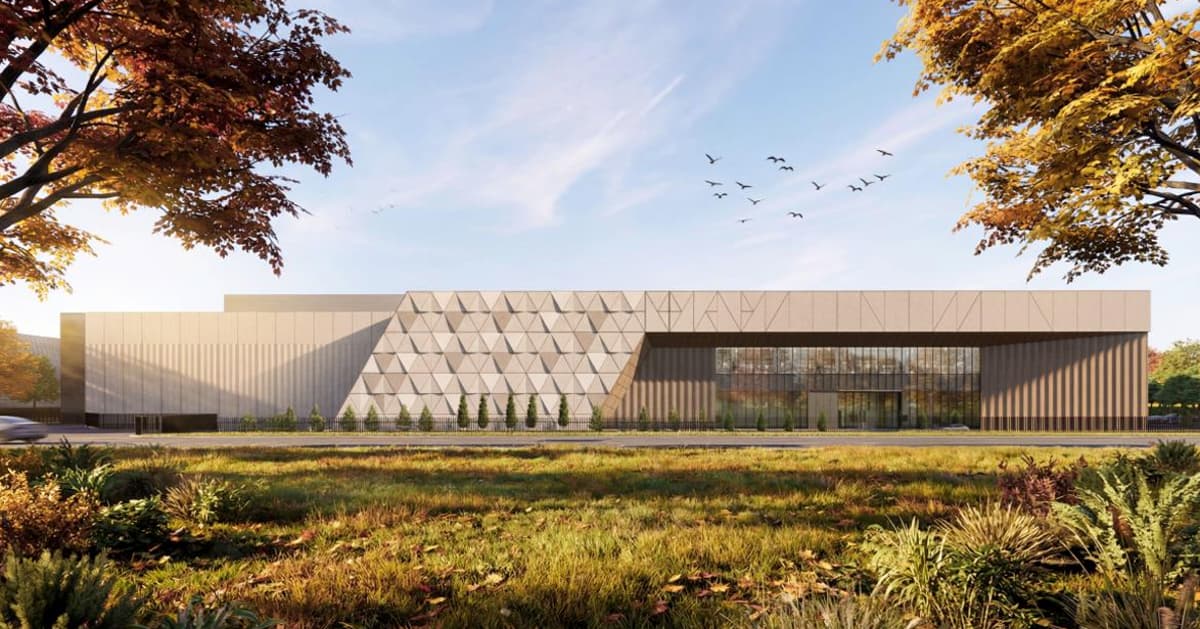
Developer Says It Will Build Larger Data Center if Plans for Smaller Facility Near Philadelphia Go Unapproved
Why It Matters
The decision will shape the scale of data‑center capacity in the Philadelphia suburbs and set a precedent for how local opposition influences high‑tech infrastructure projects. A larger facility could bring significant tax revenue but also heightened environmental and traffic concerns.
Key Takeaways
- •Sentinel’s revised plan totals 887,000 sq ft, half of original size
- •Site zoning permits up to 1.86 million sq ft construction
- •Developer warns delays will trigger larger campus build
- •East Whiteland is not a traditional data‑center hub
Pulse Analysis
The clash between Sentinel Data Centers and East Whiteland officials highlights a growing tension in the U.S. as data‑center developers seek ever‑larger footprints to meet cloud demand. While the original 1.6‑million‑sq‑ft "Project Forge" sparked community resistance, the developer’s fallback position—building up to the maximum 1.86 million sq ft allowed by zoning—underscores how regulatory flexibility can override local sentiment when approvals stall. This dynamic is especially relevant in regions like Pennsylvania, where data‑center clusters remain concentrated around Pittsburgh, leaving suburbs like East Whiteland relatively untouched.
Beyond the immediate dispute, the outcome will influence regional economic development strategies. A larger data‑center promises substantial property tax contributions and job creation, yet it also raises concerns about increased power consumption, water usage, and traffic congestion. Municipalities must balance these fiscal incentives against infrastructure strain and environmental stewardship, a calculus that will likely shape future zoning decisions for high‑tech facilities nationwide.
For the broader industry, Sentinel’s stance signals that developers are prepared to scale projects aggressively when faced with procedural delays. This may encourage other firms to pre‑emptively negotiate larger zoning allowances or to invest in community outreach early in the planning process. As data demand accelerates, the ability to navigate local governance swiftly could become a competitive advantage, making the East Whiteland case a bellwether for future data‑center expansions across the United States.
Developer says it will build larger data center if plans for smaller facility near Philadelphia go unapproved
Comments
Want to join the conversation?
Loading comments...