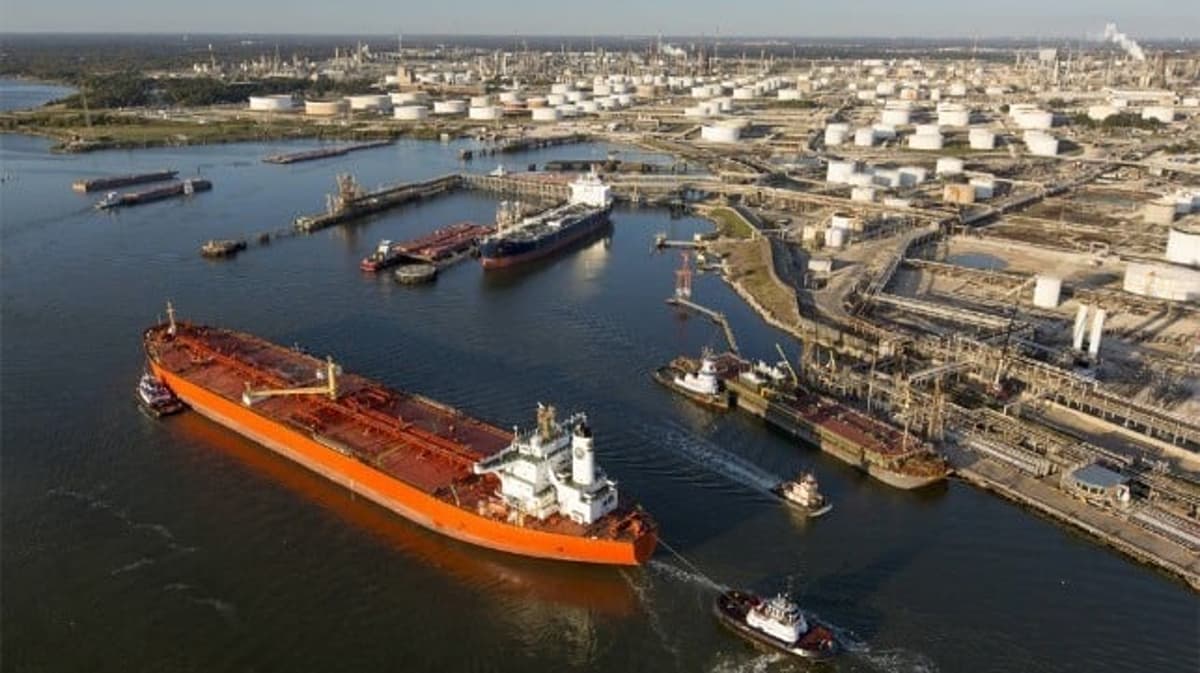
Digital Collaboration in Chemical Logistics
•February 20, 2026
0
Why It Matters
Effective end‑to‑end coordination will determine whether low‑carbon fuels can be delivered reliably and profitably, directly influencing the pace of the energy transition and industry margins.
Key Takeaways
- •Low‑carbon fuels travel via chemical logistics networks
- •Fragmented data sharing inflates logistics costs 15‑25%
- •Minimal intent signals can cut delays and inventory
- •Governance, not technology, limits end‑to‑end coordination
- •VWT/TWIN offers neutral, federated data‑sharing platform
Pulse Analysis
The push to replace fossil‑derived fuels with hydrogen carriers, synthetic fuels and advanced biofuels is reshaping maritime trade, yet the underlying chemical‑logistics infrastructure was built for stable, mature commodities. Existing terminals, tanks and scheduling tools excel at handling known products, but they struggle when arrival times shift or when multiple sensitive chemicals share the same vessel. This mismatch amplifies costs—logistics can consume 15‑25% of product value—and creates inventory hoarding as firms hedge against uncertainty. The transition therefore hinges not just on producing green fuels, but on re‑engineering the flow of information that synchronises production, storage and transport.
Traditional digital collaboration models assume a single orchestrator or unrestricted data exchange, both unrealistic in a competitive, safety‑critical environment. A more pragmatic approach isolates the data that truly matters: planned, estimated and actual arrival and departure times at each node. By treating ETAs as intent rather than fixed promises, and by limiting visibility to the actors directly involved, companies can adjust sequencing and capacity without exposing strategic details. This minimal‑signal framework reduces the need for costly buffers, improves berth utilisation, and enables just‑in‑time logistics that are essential for low‑carbon fuel corridors.
The Virtual Watch Tower (VWT) and its underpinning Trade Worldwide Information Network (TWIN) embody this governance‑first philosophy. Operating as a public‑good, federated service, VWTnet lets participants retain ownership of their data while sharing only the pre‑agreed intent signals under strict rules. For CEOs and policymakers, adopting such neutral infrastructure offers a strategic lever: early movers can shape industry standards, secure reliable supply‑chains for emerging fuels, and protect margins against the volatility of a decarbonising market. In short, coordinated, trustworthy data exchange is becoming as critical as the vessels themselves for achieving a resilient, low‑carbon maritime future.
Digital Collaboration in Chemical Logistics
0
Comments
Want to join the conversation?
Loading comments...