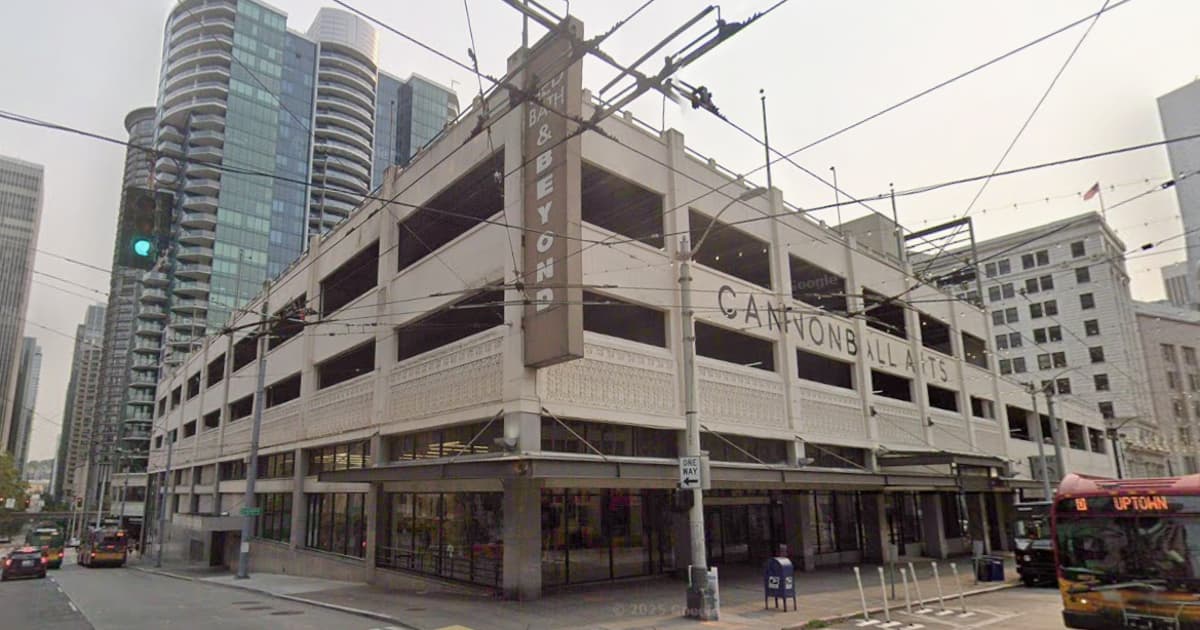
Digital Realty Plans Data Center in Seattle, Washington
Companies Mentioned
Why It Matters
The project tests the balance between Seattle’s appetite for high‑density colocation space and municipal efforts to curb power‑intensive data‑center growth, influencing supply dynamics for cloud and enterprise customers. Its outcome could set a precedent for future developments in a market already crowded with about 30 facilities.
Key Takeaways
- •Digital Realty files Seattle plan for 58,000‑sq‑ft data center
- •Project includes R&D lab, office space, and retail area
- •Seattle council may impose one‑year moratorium on new data centers
- •City already hosts ~30 facilities; demand driven by AI workloads
Pulse Analysis
Seattle has become a magnet for data‑center operators seeking low‑latency connectivity and access to abundant renewable energy. However, the rapid influx of power‑hungry facilities has strained the city’s grid, prompting officials to consider a one‑year moratorium on new builds. The proposed ban reflects broader concerns about sustainability, community impact, and the need to align infrastructure upgrades with industry growth. As other tech hubs grapple with similar constraints, Seattle’s regulatory stance could influence how developers plan capacity and location strategies nationwide.
Digital Realty’s Seattle proposal is notable for its mixed‑use design, blending a 58,000‑sq‑ft colocation footprint with an R&D lab, office suites, and retail space. This diversification signals a shift from pure hyperscale data centers toward facilities that support network‑dense, latency‑critical workloads without the massive power draw of AI‑focused sites. The company already operates the SEA10 carrier hotel, a 400,400‑sq‑ft, 13‑MW facility that anchors its presence in the region. By expanding its portfolio with a smaller, highly connected node, Digital Realty aims to capture demand from fintech, media, and edge‑computing customers who value proximity to existing carrier ecosystems.
The timing of the filing places Digital Realty at the center of a policy crossroads. If the moratorium passes, the firm may need to seek exemptions or adjust its design to meet stricter energy standards, potentially delaying the project and increasing costs. Conversely, securing approval could give Digital Realty a first‑mover advantage in a market where competitors like Equinix and Prologis are also eyeing expansion. Investors will watch how the city balances economic incentives with power sustainability, as the decision will shape Seattle’s data‑center supply curve and influence broader industry trends toward greener, more efficient infrastructure.
Digital Realty plans data center in Seattle, Washington
Comments
Want to join the conversation?
Loading comments...