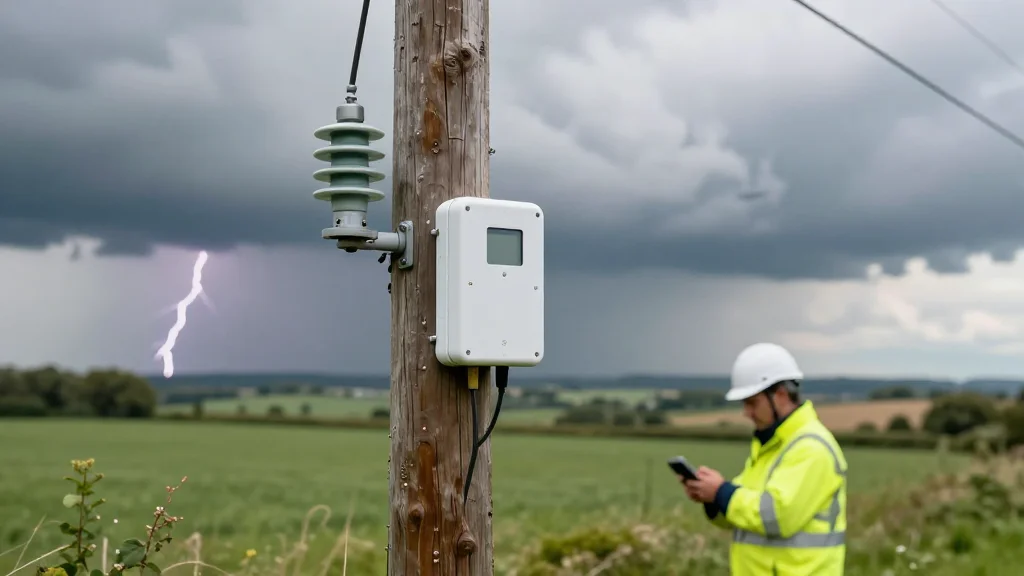
DNOs Should Move From ‘Reactive’ to ‘Preventative’ Resilience Approach, Says Report
Why It Matters
The recommendations target the core of grid reliability, pushing utilities to invest in cost‑effective monitoring that protects consumers and supports the UK’s net‑zero electrification agenda.
Key Takeaways
- •Imperial report urges DNOs to adopt predictive, preventive strategies
- •Extreme weather and ageing assets heighten UK grid vulnerability
- •Ofgem's RIIO‑ED3 framework needs stronger resilience incentives
- •Digital monitoring can cut fault detection time and costs
- •Policy push aims to secure long‑term supply and public safety
Pulse Analysis
The United Kingdom’s electricity distribution system faces a perfect storm of pressures. Rapid electrification of transport and heating is driving demand higher, while an aging asset base strains capacity. Add to that a climate‑driven uptick in severe storms—such as Arwen, Darragh and Éowyn—that expose hidden faults on low‑voltage networks, and the risk of prolonged outages rises sharply. Stakeholders are therefore forced to reconsider how resilience is built into the grid, moving beyond traditional, reactive maintenance models.
The Imperial College report makes a compelling case for a shift toward predictive resilience. By deploying advanced digital monitoring—continuous line sensors, real‑time analytics and AI‑driven fault prediction—distribution network operators can identify emerging issues before they cascade into full‑scale failures. This proactive stance promises not only faster fault isolation but also significant cost savings, as utilities can prioritize targeted repairs over wholesale asset replacement. Early adopters stand to improve service reliability, reduce outage durations, and deliver tangible value to consumers while meeting tighter environmental targets.
Regulatory alignment is essential for scaling these innovations. The forthcoming RIIO‑ED3 price‑control period (2028‑2033) offers a strategic window for Ofgem to embed stronger resilience incentives, ensuring DNOs have clear financial motivation to invest in digital technologies. Clear metrics, transparent reporting and long‑term funding mechanisms will bridge the gap between ambition and execution. If policymakers act decisively, the UK can safeguard its electricity supply, support the net‑zero transition, and set a global benchmark for resilient, data‑driven power networks.
DNOs should move from ‘reactive’ to ‘preventative’ resilience approach, says report
Comments
Want to join the conversation?
Loading comments...