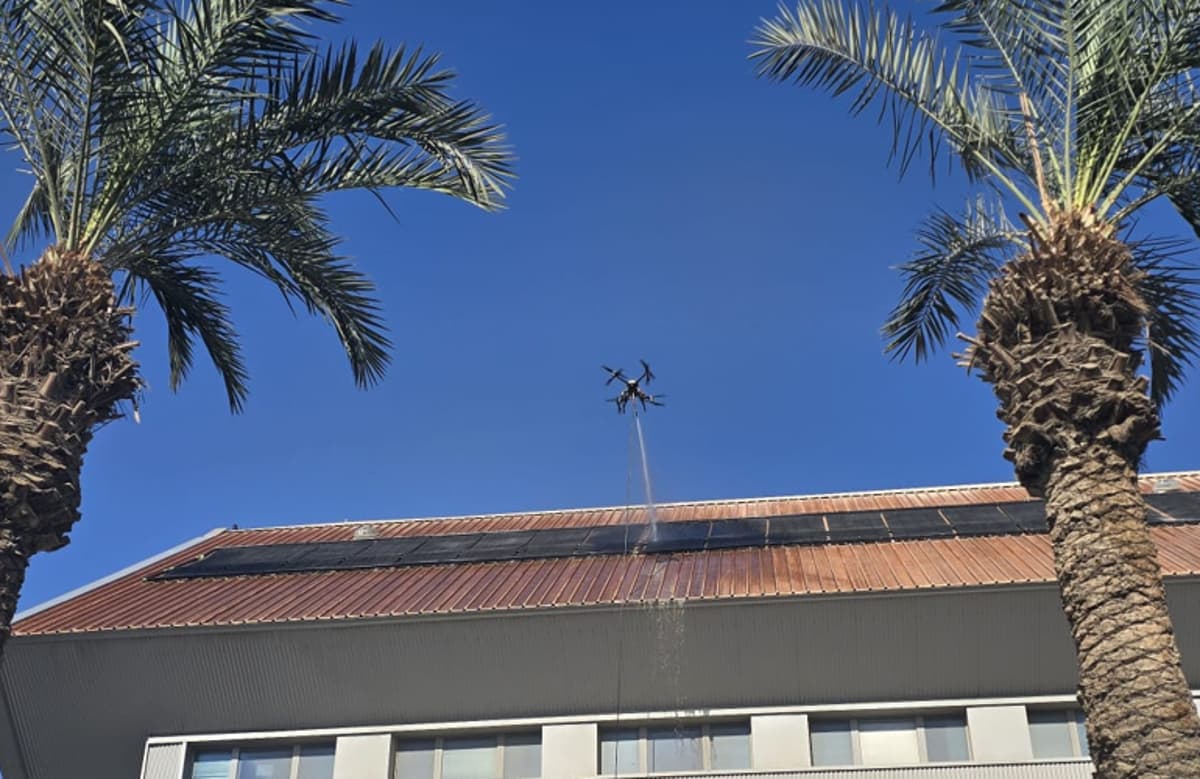
Drone Cleaning 101: A New Tool for Solar O&M Takes Soiling Losses (and Fall Risk) Off the Roof
Why It Matters
Drone cleaning slashes O&M expenses and safety liabilities while recapturing soiling losses, reshaping the economics of solar asset management.
Key Takeaways
- •Drone cleaning removes up to 5% annual soiling loss
- •Eliminates fall‑risk exposure for rooftop crews
- •$75k upfront replaces lift rentals and labor costs
- •FAA Part 107 certification is the only regulatory hurdle
- •U.S.-made drones meet NDAA compliance, future‑proofing contracts
Pulse Analysis
Soiling losses—dust, pollen, bird droppings—can erode 2‑5% of a solar plant’s annual output, prompting operators to schedule regular cleanings. Traditional methods rely on water trucks, scaffolding, or rope‑access crews, which inflate labor costs, require extensive site preparation, and expose workers to falls, a leading cause of construction fatalities. As O&M budgets tighten, the industry seeks solutions that preserve generation without adding operational risk.
Enter the cleaning drone, a heavy‑lift unmanned aircraft system that sprays de‑ionized water and cleaning agents from the sky. With pressure capabilities of several thousand PSI, these drones can achieve a pressure‑wash quality comparable to ground rigs while covering large arrays in a single flight. The capital outlay—about $75,000 for a purpose‑built platform—includes the airframe, spray system, autonomy software, and insurance, and is offset by eliminating lift rentals, crew overtime, and fall‑related insurance premiums. Regulatory barriers are modest: a Part 107 remote pilot certificate suffices, and U.S.-manufactured models satisfy upcoming NDAA and FCC restrictions, making them viable for federal contracts.
For solar contractors, the drone model reshapes the service offering. Pricing can shift from per‑hour labor to per‑square‑foot contracts, with premium rates for steep or water‑adjacent sites that were previously uneconomical to clean. Faster turnaround translates to reduced downtime, allowing asset owners to capture lost generation sooner. As more OEMs introduce semi‑autonomous flight paths and AI‑driven coverage algorithms, scalability improves, positioning drone cleaning as a standard line item in O&M budgets for 2027 and beyond.
Drone cleaning 101: A new tool for solar O&M takes soiling losses (and fall risk) off the roof
Comments
Want to join the conversation?
Loading comments...