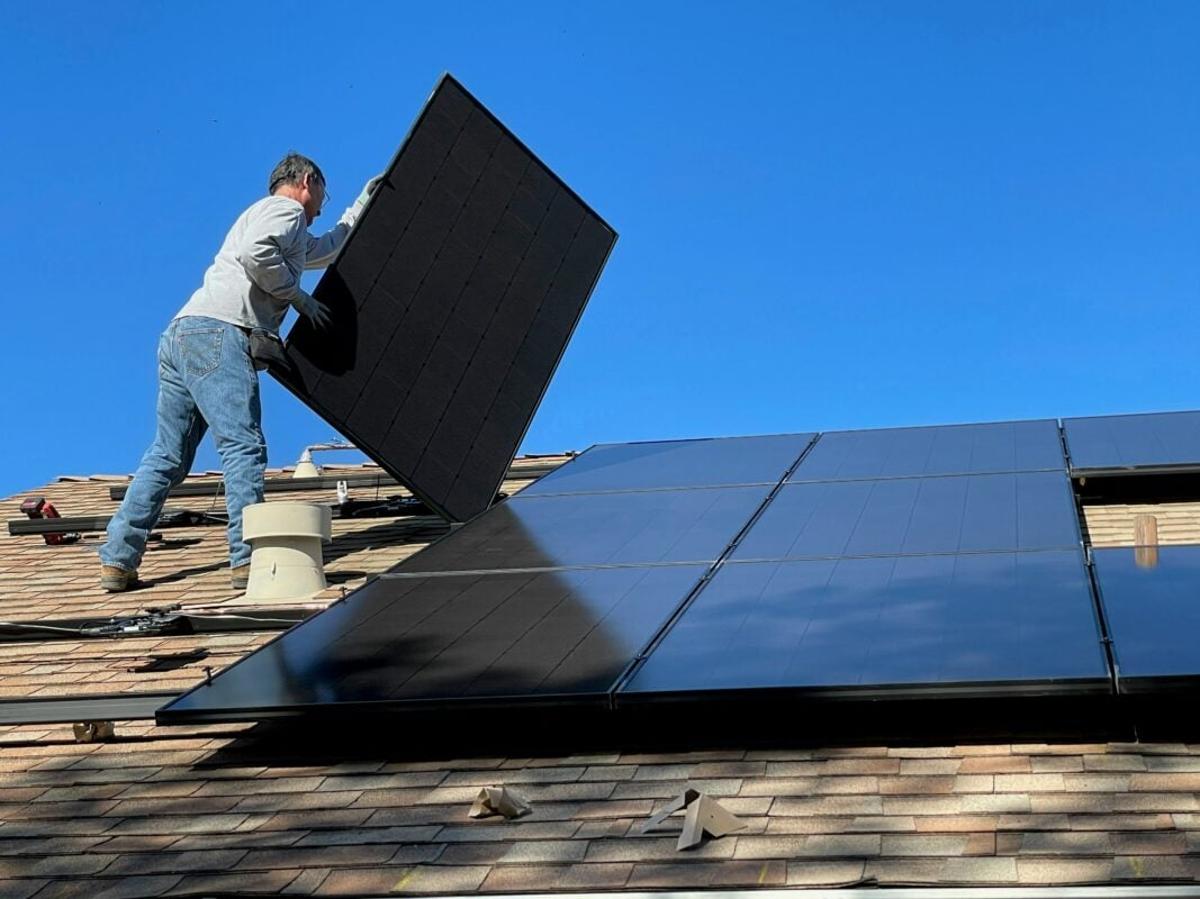
Drop in Residential Solar Drives German PV Installations Down in Q1 2026
Why It Matters
The slowdown signals weakening demand for rooftop solar and highlights policy risk that could erode Germany’s renewable‑energy momentum and employment in the sector. Investors and manufacturers must watch regulatory changes closely as they could reshape the European PV market.
Key Takeaways
- •Residential solar fell 21% YoY to 850 MW in Q1 2026.
- •Commercial rooftop installations dropped 33% YoY to 600 MW.
- •Ground‑mounted solar rose 20% YoY, reaching nearly 2 GW.
- •Draft subsidy cuts could threaten tens of thousands of solar jobs.
- •Energy storage capacity surged 67% YoY, adding 2 GWh in Q1.
Pulse Analysis
Germany remains Europe’s largest solar market, yet the first quarter of 2026 revealed a notable contraction in rooftop installations. Residential demand slipped 21% as consumers face uncertainty over the upcoming Renewable Energy Sources Act, which proposes eliminating feed‑in compensation for systems under 25 kW starting in 2027. The decline mirrors a broader trend of cautious investment, as households and businesses weigh the long‑term profitability of PV projects against potential policy reversals. This environment puts pressure on manufacturers and installers who rely on steady demand to sustain production lines and workforce levels.
Policy risk is now the dominant narrative for German solar. The draft legislation, if enacted, would remove financial incentives that have underpinned the sector’s rapid expansion over the past decade. Industry groups warn that such a move could jeopardize tens of thousands of jobs, from panel assemblers to rooftop installers, and slow the country’s progress toward its 2030 renewable targets. Analysts suggest that a more nuanced approach—such as phased incentive reductions or targeted support for low‑income households—could preserve market confidence while still encouraging cost‑effective deployment.
Conversely, the storage segment displayed robust growth, adding 2 GWh of new capacity—a 67% YoY increase—driven by large‑scale battery projects. This surge underscores a shifting focus toward integrated PV‑storage solutions that can mitigate curtailment and capitalize on negative price periods. The trade body’s call for simplified co‑location regulations reflects a broader industry push to align generation with flexible storage, enhancing grid stability. As geopolitical tensions spur short‑term demand spikes, the interplay between solar generation and storage will likely shape Germany’s clean‑energy trajectory in the coming years.
Drop in residential solar drives German PV installations down in Q1 2026
Comments
Want to join the conversation?
Loading comments...