DTE Energy Pauses Michigan Rate Hikes as $16 B Oracle Data Center Takes Shape

Companies Mentioned
Why It Matters
The DTE decision highlights a growing policy debate over how utilities should finance the electricity needs of AI and data‑center projects, which are among the fastest‑growing loads in the United States. By tying rate freezes to a $16 billion data‑center development, DTE is testing a model where private tech investments help fund clean‑energy upgrades, potentially reducing the cost burden on traditional ratepayers. The approach also raises questions about regulatory oversight, risk allocation, and the role of large‑scale battery storage in supporting both climate goals and high‑intensity compute workloads. If successful, DTE’s strategy could encourage other utilities to negotiate similar arrangements, accelerating the deployment of battery storage and gas‑fired peaker replacements while providing a financial cushion for customers. Conversely, delays or cost overruns on the Oracle campus could expose utilities to revenue shortfalls, prompting regulators to reassess the prudence of linking rate policy to private sector projects.
Key Takeaways
- •DTE Energy will not seek new rate increases for at least two years, pending the Oracle data‑center rollout.
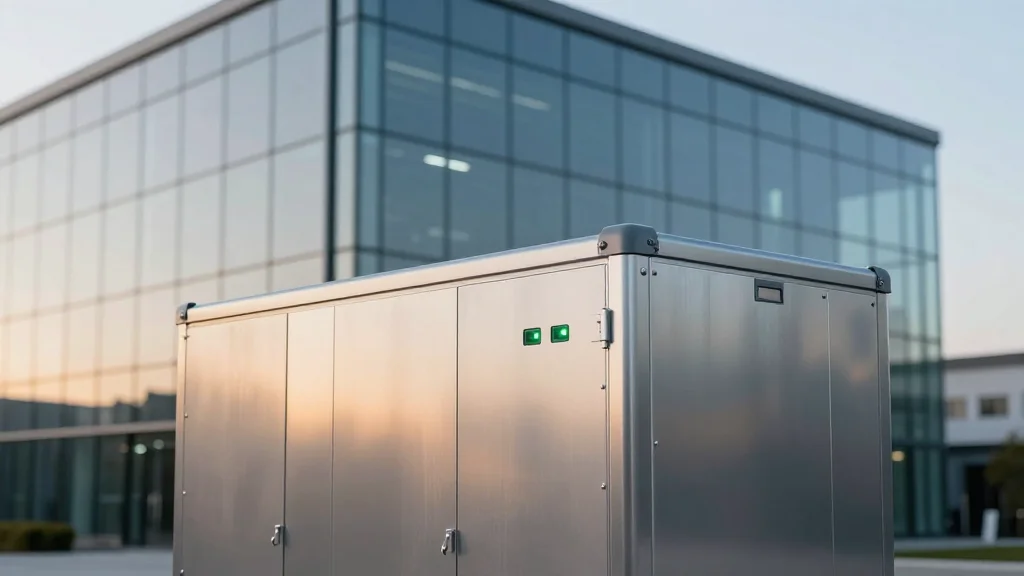
- •A $474.3 million filing with the MPSC will fund a coal‑to‑gas plant conversion and a 220 MW/880 MWh battery storage facility.
- •The Oracle‑related data‑center campus is valued at $16 billion and expected to be online by end‑2027.
- •DTE projects $9 billion of system improvements through 2045 from its two data‑center contracts.
- •Customer savings of $300 million are projected from the planned grid upgrades.
Pulse Analysis
DTE’s rate‑freeze maneuver reflects a broader shift in utility strategy: leveraging high‑value, tech‑driven load growth to justify capital investments while shielding customers from immediate cost hikes. Historically, utilities have relied on incremental rate adjustments to fund infrastructure, but the rise of AI‑intensive data centers introduces a new, concentrated demand source that can be monetized through long‑term power purchase agreements. By aligning its financial planning with Oracle’s $16 billion campus, DTE is effectively using the data‑center as a catalyst for accelerated decarbonization—converting coal assets, deploying one of the region’s largest batteries, and securing a stable revenue stream.
The approach, however, is not without risk. The data‑center’s timeline is tied to complex construction, supply‑chain, and regulatory milestones. Any delay could leave DTE with a funding gap, potentially forcing a rate increase later than anticipated. Moreover, the reliance on natural‑gas conversion as a bridge technology may draw criticism from climate advocates who favor direct renewable integration. The battery storage component, while sizable, will need to demonstrate operational reliability to justify its $460 million price tag and to meet the promised $300 million customer savings.
If DTE’s plan gains regulatory approval, it could set a template for other utilities facing similar AI‑driven load growth, especially in regions where data‑center clusters are emerging. The model blends private sector capital with public utility financing, potentially unlocking faster grid modernization. Yet regulators will need to balance the benefits of deferred rate hikes against the risk of utilities shouldering too much project execution risk. The outcome of DTE’s filing will be a bellwether for how the energy sector reconciles climate objectives, emerging technology demand, and ratepayer protection.
DTE Energy Pauses Michigan Rate Hikes as $16 B Oracle Data Center Takes Shape
Comments
Want to join the conversation?
Loading comments...