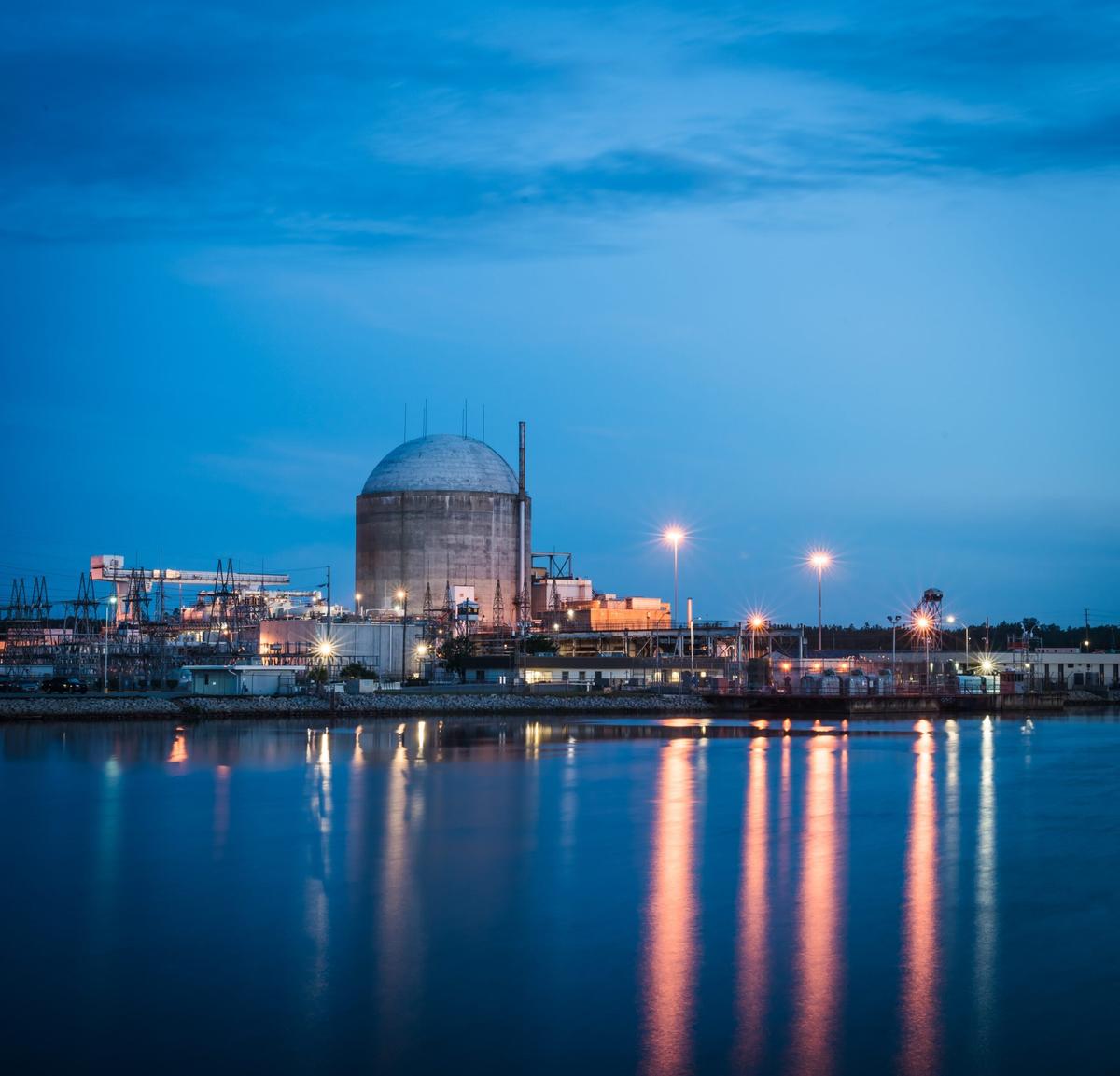
Duke Energy Approved to Continue Operating Robinson Nuclear Plant Through 2050
Why It Matters
The extension secures a reliable, low‑carbon power source for the Midwest, bolstering grid stability and deferring billions in replacement costs. It also reinforces nuclear’s role in meeting U.S. climate and energy‑security targets.
Key Takeaways
- •Robinson plant’s 2,200 MW capacity secured through 2050
- •License extension avoids costly decommissioning and preserves jobs
- •Supports Duke’s carbon‑free generation goals amid rising clean‑energy demand
- •Regulators cite safety upgrades and proven performance for approval
- •Extends plant’s economic life, deferring $1 billion replacement costs
Pulse Analysis
The approval to operate Duke Energy’s Robinson nuclear facility through 2050 comes at a pivotal moment for the U.S. power sector. As utilities grapple with the twin pressures of decarbonization and grid reliability, extending the life of an existing 2,200‑megawatt reactor offers a proven, low‑carbon baseload option. The Indiana Utility Regulatory Commission’s decision was anchored in recent safety enhancements, robust operational metrics, and the plant’s demonstrated ability to meet regional demand without the volatility associated with intermittent renewables.
From a financial perspective, the license extension postpones the need for a multi‑billion‑dollar replacement or new construction, preserving capital for other strategic investments. Analysts estimate that decommissioning Robinson early would have incurred roughly $1 billion in direct costs, not to mention the economic impact on the surrounding community where the plant supports hundreds of jobs. By keeping the reactor online, Duke Energy can continue to amortize existing assets, improve return on equity, and allocate resources toward emerging technologies such as advanced nuclear designs and energy storage.
Strategically, the decision underscores a broader industry trend: nuclear is re‑emerging as a cornerstone of the clean‑energy transition. Policymakers are increasingly recognizing that achieving net‑zero emissions by mid‑century will require more than wind and solar; reliable, dispatchable generation is essential for balancing the grid as electric vehicle adoption and AI‑driven data centers surge. Robinson’s extended operation not only contributes roughly 15 percent of Indiana’s electricity mix but also signals to investors that nuclear projects can achieve regulatory certainty and long‑term profitability, encouraging further development of next‑generation reactors across the United States.
Duke Energy approved to continue operating Robinson nuclear plant through 2050
Comments
Want to join the conversation?
Loading comments...