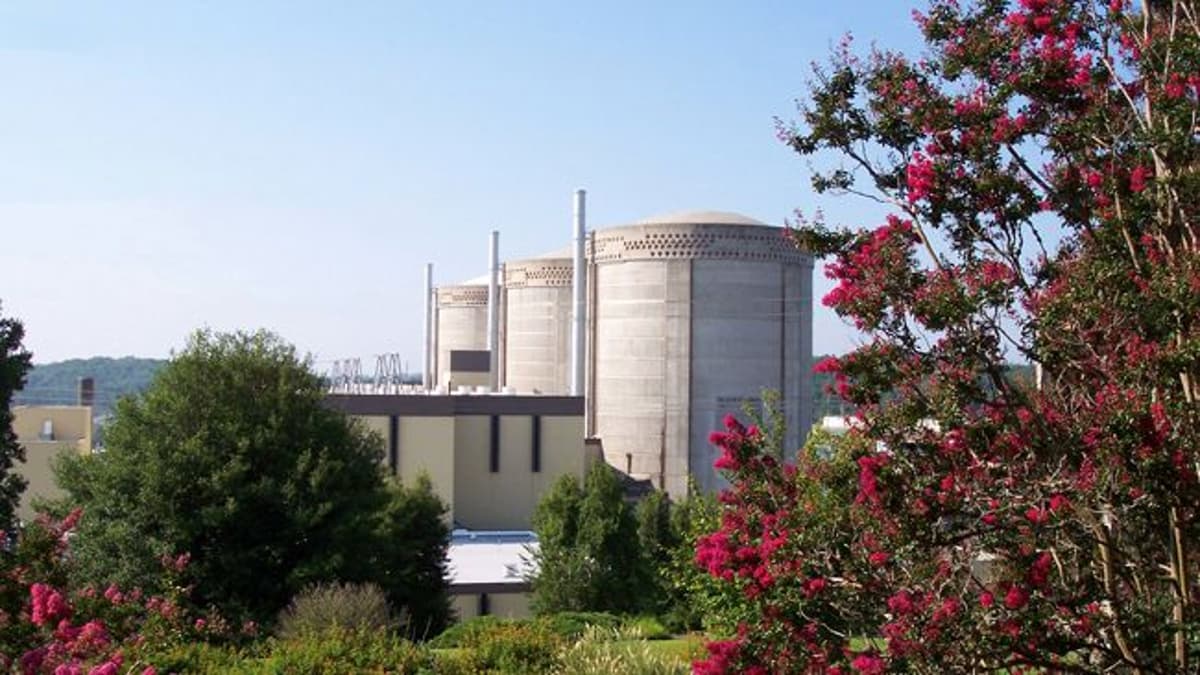
Duke Energy’s Nuclear Playbook: Three Horizons, One Strategy
Why It Matters
By extending the life and output of its existing fleet, Duke can meet regional load growth without passing costly nuclear‑construction risks to customers, reinforcing its competitive advantage in the Southeast energy market.
Key Takeaways
- •Duke’s 11 reactors hit a record 97%+ capacity factor in 2025.
- •NRC granted 80‑year licenses for Oconee units and Robinson plant.
- •Uprate projects will add ~300 MW, comparable to a small modular reactor.
- •New nuclear plans target 2037, with technology choice tied to economics.
- •Cost discipline aims to keep rates low while extending fleet life.
Pulse Analysis
Duke Energy’s recent performance highlights how a high capacity factor can become a strategic lever for utilities. A 97%+ factor not only signals operational excellence but also builds regulatory goodwill, making license extensions more attainable. In a market where reliability is prized, Duke’s ability to consistently deliver over half the Carolinas’ electricity positions nuclear as a cornerstone of its generation mix, differentiating it from peers that lean heavily on gas or renewables.
The push for 80‑year operating licenses and a 300 MW uprate program reflects a broader industry trend toward asset maximization. Extending reactor lifespans defers the massive capital outlays required for new builds, while uprates deliver incremental capacity at a fraction of the cost per megawatt of fresh construction. For investors, these moves improve the net‑present value of the nuclear portfolio and reduce exposure to the schedule overruns that have plagued recent large‑scale projects.
Looking ahead, Duke’s tentative 2037 new‑nuclear timeline underscores a cautious but forward‑looking stance. By tying technology selection—whether small modular reactors or traditional light‑water designs—to a rigorous economic framework, the company aims to safeguard its historically low residential rates. If executed well, the strategy could set a template for other utilities seeking to balance clean‑energy goals with rate‑payer protection, reinforcing nuclear’s role in the United States’ decarbonization pathway.
Duke Energy’s Nuclear Playbook: Three Horizons, One Strategy
Comments
Want to join the conversation?
Loading comments...