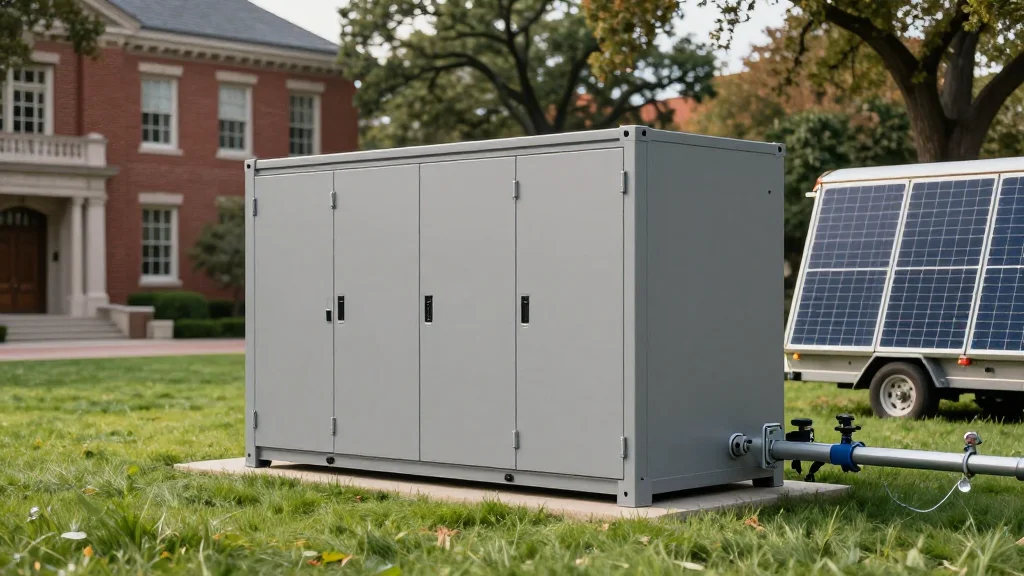
Duke University Plans a Data Center It Says Will Boost ‘Environmental Responsibility and Sustainability’
Why It Matters
The project tests whether a research‑intensive university can expand compute power without compromising its climate commitments, a dilemma facing many institutions as AI demand grows. Its outcome will influence how higher‑education campuses balance sustainability with digital infrastructure needs.
Key Takeaways
- •Duke plans 1.5 MW data center, expandable to 3 MW
- •Project costs $23 million and occupies 12 acres
- •Expected to raise campus peak load by 2‑3 %
- •Facility reuses waste heat for campus water‑heating plant
- •Critics say it may jeopardize Duke’s carbon‑neutral target
Pulse Analysis
Universities are increasingly building on‑site data centers to keep pace with AI‑driven research, and Duke’s new facility is a microcosm of that trend. At a modest $23 million price tag, the 1.5‑megawatt plant will sit beside an existing substation and water‑chiller, allowing Duke to control compute resources for everything from medical records to climate modeling. By integrating waste‑heat recovery into the campus heating loop, the university hopes to showcase a greener blueprint that other schools could emulate, especially as data‑center energy intensity remains a major sustainability hurdle.
The environmental calculus, however, is far from straightforward. Duke’s own climate office estimates the center will add 2‑3 percent to peak campus electricity demand, a non‑trivial bump given the institution’s recent carbon‑neutral declarations. While the school plans to power the site partially with on‑campus solar and to track emissions on a public dashboard, critics warn that the added load could force reliance on additional carbon offsets—mirroring the strategy Duke used to achieve neutrality in 2024‑25. The facility’s water‑cooling system, which could feed hot water back into the university’s heating plant, offers a clever mitigation, yet the lack of disclosed water‑use figures leaves a gap in the sustainability story.
Duke’s gamble reflects a broader crossroads for higher education: balancing the surge in AI compute needs with aggressive decarbonization goals. If the data center proves energy‑efficient and its waste‑heat loop scales, it could become a model for campuses nationwide, demonstrating that research intensity and climate stewardship are not mutually exclusive. Conversely, if the project triggers higher emissions or community pushback, it may reinforce calls for stricter data‑center moratoria and push universities toward shared, renewable‑powered cloud services. Either outcome will shape policy discussions and investment decisions across the sector for years to come.
Duke University Plans a Data Center It Says Will Boost ‘Environmental Responsibility and Sustainability’
Comments
Want to join the conversation?
Loading comments...