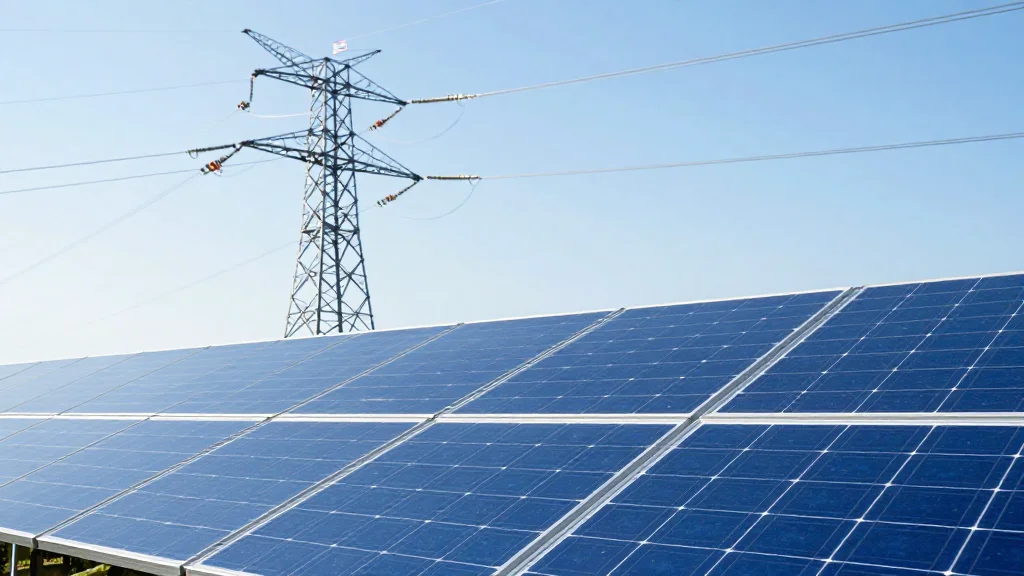
Dutch Regulator Plans Grid Fee for Large Solar Producers
Why It Matters
A grid fee could raise operating costs for large renewable generators, potentially slowing the Netherlands’ clean‑energy rollout and shifting costs to consumers.
Key Takeaways
- •ACM targets 2032 start for large‑producer grid fee
- •Fee level to mirror Germany’s forthcoming tariff
- •Holland Solar warns of investment delays and higher import costs
- •Grid fee aims to improve network efficiency and fund upgrades
- •Similar fees already exist in Belgium and Denmark
Pulse Analysis
European regulators are increasingly turning to grid fees as a way to balance the rising demand on transmission infrastructure with the costs of expanding capacity. The Dutch ACM’s proposal follows precedents in Belgium and Denmark, and it deliberately ties the fee level to Germany’s upcoming tariff, recognizing that Germany is the Netherlands’ largest energy trading partner. By mirroring German rates, the Netherlands hopes to maintain a level playing field for cross‑border electricity flows while securing a predictable revenue stream for grid upgrades.
For large‑scale solar developers, the announcement injects a new variable into project economics. A fee applied to output or capacity could erode profit margins, especially for plants that were financially modeled under a fee‑free regime. Trade groups such as Holland Solar argue that the lack of clarity on the exact fee amount creates investment hesitation, potentially delaying new solar installations and increasing the need to import power from neighboring markets. This dynamic could raise wholesale electricity prices for Dutch consumers and undermine the country’s ambitious renewable‑energy targets.
The broader implication is a shift toward cost‑allocation models that embed grid users more directly into the financing of network expansion. As the EU pushes for a greener grid, policymakers must balance the need for infrastructure funding with the risk of discouraging renewable investment. If the Dutch fee proves effective without stifling solar growth, it could become a template for other markets grappling with similar grid‑capacity challenges, reinforcing a coordinated European approach to a resilient, low‑carbon electricity system.
Dutch regulator plans grid fee for large solar producers
Comments
Want to join the conversation?
Loading comments...