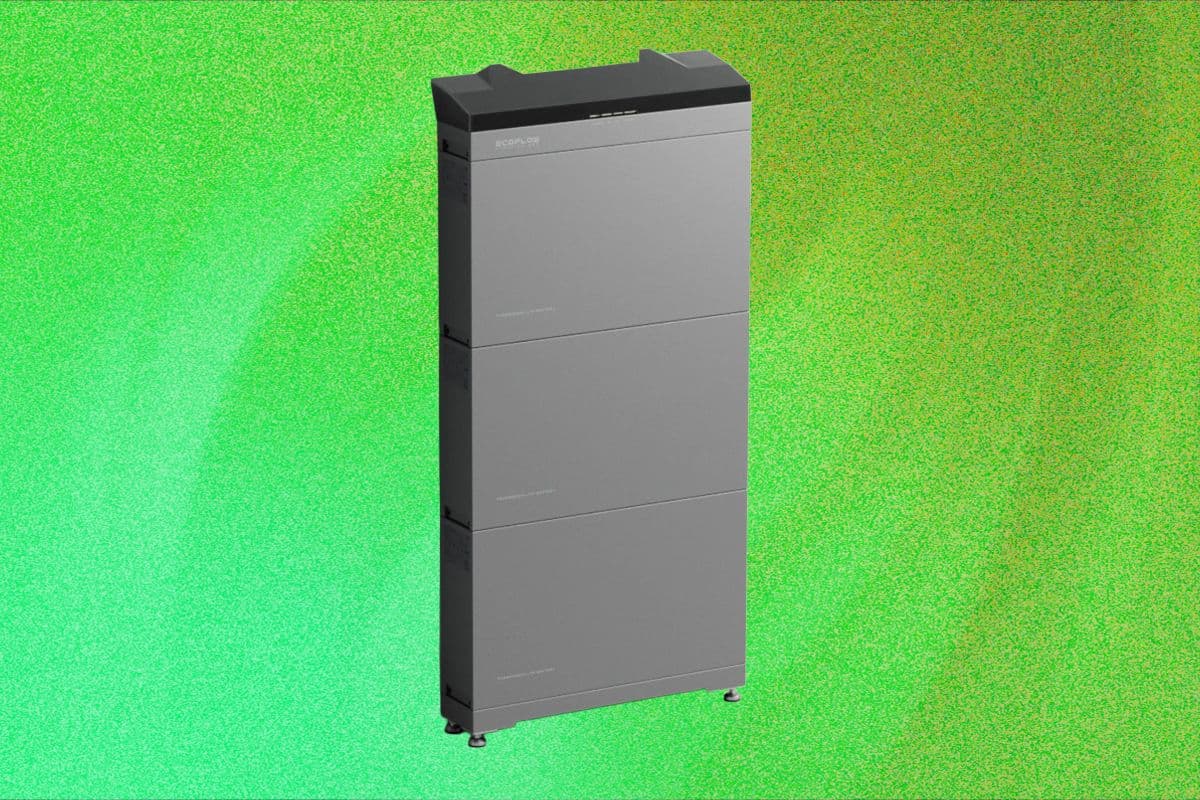
EcoFlow PowerOcean Battery Review: Cutting My Bill in Half
Companies Mentioned
Why It Matters
The case shows how time‑of‑use rates and home‑battery storage can dramatically lower household energy costs while supporting grid stability, accelerating residential adoption of renewable‑friendly technologies.
Key Takeaways
- •Battery cut first‑month electricity bill by ~50%, projected six‑year payback.
- •Installation cost £6,500 (~$8,300); extra 5 kWh battery ≈ $1,900.
- •Modular design expands to 45 kWh, 15‑year warranty protects investment.
- •Quiet (30 dB) operation fits garage or basement installations.
- •Smart app automates charging during low‑price overnight tariffs.
Pulse Analysis
Home‑battery storage is moving from niche to mainstream as utilities roll out time‑of‑use (TOU) tariffs that reward consumers for shifting demand to off‑peak hours. EcoFlow’s PowerOcean leverages this model by charging during cheap overnight periods and discharging when rates spike, a strategy that mirrors the broader industry push toward demand‑side management. The system’s modular architecture—allowing owners to start with a 10 kWh pack and scale to 45 kWh—addresses the common pain point of under‑sizing capacity, while its 15‑year warranty mitigates the long‑term risk that has slowed adoption.
Financially, the reviewer’s experience underscores the economics of residential storage when paired with aggressive TOU pricing. A £6,500 ($8,300) installation and $1,900 per extra module represent a sizable upfront outlay, yet the battery halved the first month’s electricity bill, projecting a six‑year return on investment. For U.S. homeowners, comparable Ocean Pro systems range $10,000‑$15,000, but federal and state incentives—such as tax credits and utility rebates—can offset a portion of the cost, improving the payback horizon. Moreover, the ability to store cheap grid power or excess solar generation and sell it back at peak rates adds a revenue stream that further shortens the breakeven point.
Beyond the household ledger, widespread deployment of systems like PowerOcean supports grid resilience and renewable integration. By flattening demand peaks and providing localized storage, these batteries reduce reliance on fossil‑fuel peaker plants and ease transmission constraints. As more jurisdictions adopt clean‑energy mandates, utilities are likely to incentivize storage through rate designs and capacity markets, making the economics even more attractive. Consequently, the PowerOcean review illustrates a micro‑level proof point for a larger transition toward a distributed, battery‑rich energy ecosystem.
EcoFlow PowerOcean Battery Review: Cutting My Bill in Half
Comments
Want to join the conversation?
Loading comments...