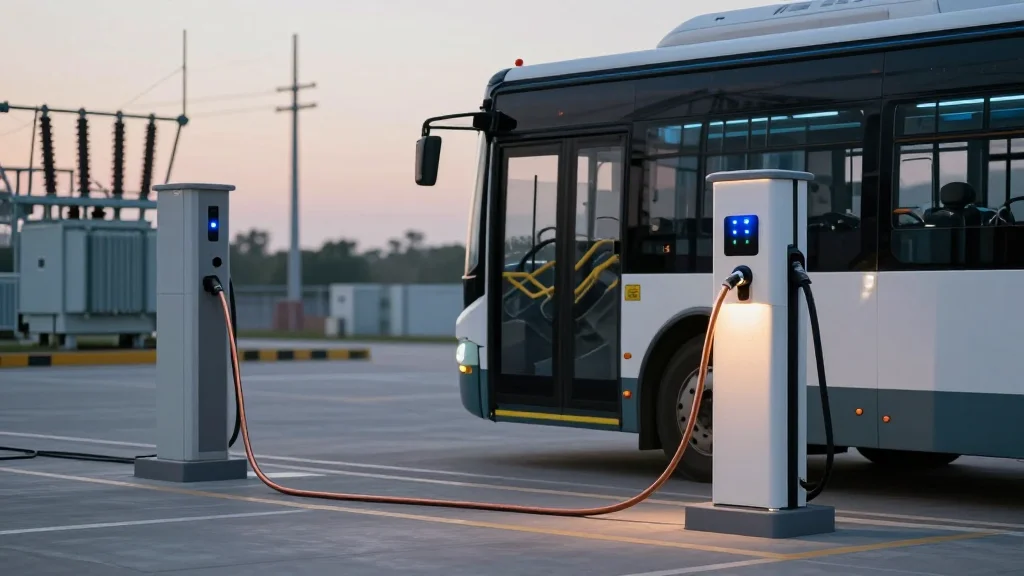
Electric Bus Depots Used To Support UK National Grid
Companies Mentioned
Why It Matters
The initiative turns public transport into a flexible grid asset, accelerating renewable integration, cutting diesel‑related emissions, and opening new revenue streams for transit operators.
Key Takeaways
- •First Bus operates 1,400 electric buses, using depots for grid support.
- •Depot batteries feed excess wind power back, reducing renewable curtailment.
- •Vehicle‑to‑grid services improve grid stability and lower electrification costs.
- •Second‑life battery storage planned after bus service ends.
Pulse Analysis
Electric buses are emerging as more than just clean‑fuel replacements; their large battery packs can function as distributed storage, a concept gaining traction across Europe. In the United Kingdom, where wind generation often exceeds demand, especially in Scotland, utilities face curtailment challenges that waste cheap renewable energy. By enabling depot‑level vehicle‑to‑grid (V2G) operations, First Bus helps absorb surplus power, smoothing supply curves and reducing the need for costly peaker plants. This approach aligns with the UK’s net‑zero targets and showcases how transport infrastructure can reinforce grid resilience.
First Bus’s trial leverages its fleet of over 1,400 zero‑emission buses, each equipped with high‑capacity lithium‑ion packs. When buses are idle at depots, the stored energy can be dispatched to the national grid, providing frequency regulation and peak‑shaving services. The company reports that buses already have six‑times lower fatality rates than cars, underscoring safety benefits alongside environmental gains. Replacing diesel units eliminates tailpipe pollutants, improving air quality in densely populated urban corridors and supporting public health objectives.
The broader business implications are significant. Transit agencies can monetize idle battery capacity, offsetting capital costs of electrification and improving total‑ownership economics. Moreover, once vehicle batteries reach end‑of‑life for propulsion, they can be repurposed as stationary storage, extending asset value. Policymakers are likely to incentivize such V2G models through grid‑service tariffs and carbon‑pricing mechanisms, encouraging other operators worldwide to adopt similar strategies. As electric fleets expand, the cumulative storage potential could become a cornerstone of a flexible, low‑carbon energy system.
Electric Bus Depots Used To Support UK National Grid
Comments
Want to join the conversation?
Loading comments...