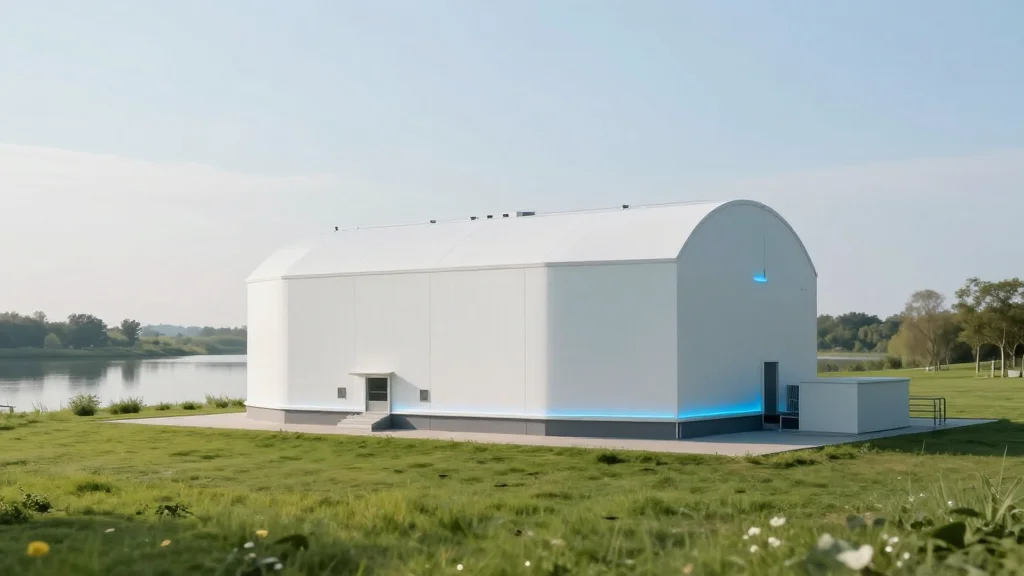
Elementl Power Developing Ohio SMR Project with GE Vernova Hitachi Nuclear Energy
Why It Matters
The project could fast‑track the United States’ first commercial SMR deployments, adding clean baseload power while delivering significant economic benefits to southeast Ohio and demonstrating a private‑capital model for nuclear expansion.
Key Takeaways
- •Elementl secures early works deal for BWRX‑300 SMRs, 1.5 GW capacity.
- •Site spans 700 acres along Ohio River, purchased from American Municipal Power.
- •First 600 MW slated for PJM grid connection, application pending.
- •Construction targeted for 2030, completion by 2034, privately funded.
- •Project could become one of the nation’s inaugural commercial SMR plants.
Pulse Analysis
The small modular reactor market is entering a pivotal phase as utilities and independent developers seek faster, lower‑cost nuclear solutions. GE Vernova Hitachi’s BWRX‑300, a water‑cooled, natural‑circulation design, promises a streamlined licensing path and reduced construction time compared with traditional reactors. Federal policy, including the Inflation Reduction Act’s nuclear production tax credit, has created a favorable financing environment, encouraging private firms like Elementl to pursue SMR projects without direct taxpayer support.
Elementl’s Ohio venture leverages a strategic location on the Ohio River, offering ample cooling water and proximity to the PJM grid, which serves over 65 million customers across 13 states. By filing a request for a 600 MW interconnection, the developer signals confidence in the plant’s ability to deliver reliable, around‑the‑clock power that can complement intermittent renewables. The private‑financing approach, coupled with the purchase of land from American Municipal Power, underscores a growing trend of independent developers shouldering capital risk while partnering with established utilities for transmission and market access.
If successful, the Letart Township project could become a template for future SMR rollouts, proving that modular nuclear can meet both regulatory scrutiny and community expectations. The timeline—construction start in 2030 and operation by 2034—aligns with the U.S. goal of adding 30 GW of clean energy by 2030, positioning SMRs as a viable bridge between aging fossil plants and a fully renewable grid. However, the project must still navigate NRC licensing, state siting approvals, and potential supply‑chain constraints, challenges that will test the resilience of the emerging SMR ecosystem.
Elementl Power Developing Ohio SMR Project with GE Vernova Hitachi Nuclear Energy
Comments
Want to join the conversation?
Loading comments...