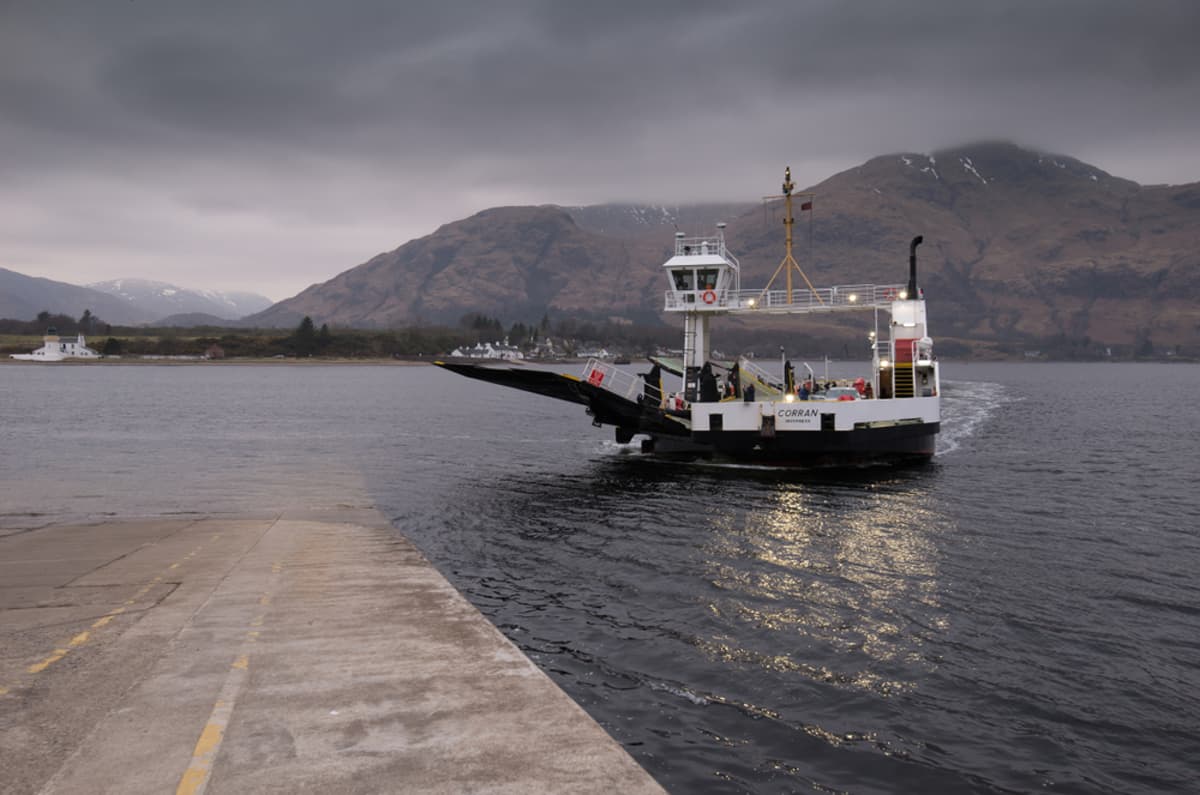
Engineering the Highlands’ Next Chapter: Why the North Is Becoming the UK’s New Powerhouse
Why It Matters
The Freeport positions the Scottish Highlands as a strategic low‑carbon industrial cluster, delivering steady, policy‑driven work for engineering firms and advancing the UK’s net‑zero goals.
Key Takeaways
- •Freeport catalyzes offshore wind, hydrogen, and data‑centre investments.
- •Deep‑water ports enable large‑scale manufacturing and logistics hubs.
- •Engineering projects demand integrated civil, structural, and grid expertise.
- •Long‑cycle sectors provide resilient revenue for engineering firms.
- •Sustainable drainage and carbon‑efficient earthworks become commercial standards.
Pulse Analysis
Scotland’s renewable advantage has long been a quiet backdrop to the UK’s net‑zero agenda, but the Inverness and Cromarty Firth Green Freeport is turning that potential into tangible growth. By bundling deep‑water port capacity, ready‑to‑develop land, and a supportive policy environment, the freeport creates a magnet for offshore wind farms, hydrogen production, and hyperscale data centres. This clustering effect not only accelerates capital deployment but also signals to investors that the Highlands are a viable alternative to traditional low‑carbon hubs in England and the Continent.
The engineering challenges emerging from the freeport are unprecedented in the UK. Modern data centres demand extreme floor loadings, blast‑resistant structures, and seamless integration with high‑capacity grids, while offshore wind turbine manufacturing requires massive earthworks, heavy‑lift logistics, and precision civil works. Such projects compel engineers to adopt a holistic approach, blending civil, structural, and energy disciplines from the earliest design stages. The result is a new breed of industrial assets—highly specialised, resilient, and built to operate under strict security and environmental standards—pushing UK engineering expertise onto the global stage.
Beyond the technical feats, the freeport reshapes market dynamics for consultancies and contractors. Energy, infrastructure, and defence sectors, all underpinned by long‑term government funding, offer a stable revenue stream that cushions firms against cyclical downturns. Moreover, the emphasis on sustainable drainage, blue‑green infrastructure, and carbon‑efficient earthworks demonstrates that environmental stewardship can be a cost‑effective design choice rather than a liability. Partnerships with Innovate UK and academic institutions further embed cutting‑edge research into practice, ensuring the Highlands remain at the forefront of low‑carbon engineering innovation. As the UK races toward its 2050 net‑zero target, the Highlands’ freeport stands out as a blueprint for regional industrial transformation.
Engineering the Highlands’ next chapter: Why the North is becoming the UK’s new powerhouse
Comments
Want to join the conversation?
Loading comments...