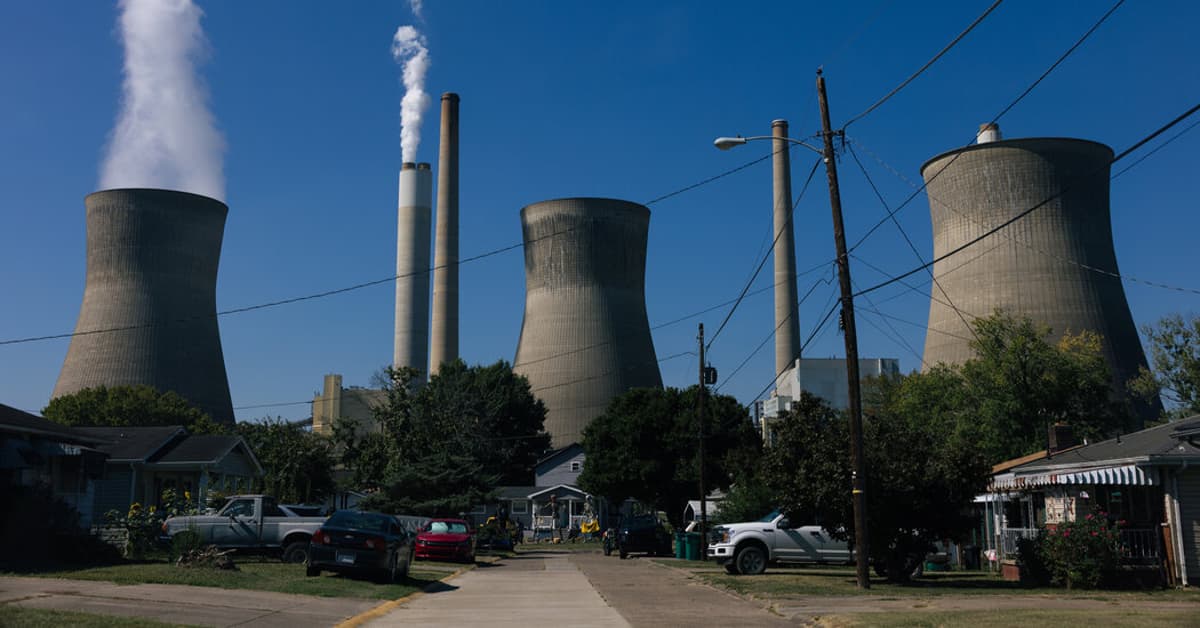
E.P.A. Plans to Loosen Mercury Rules for Coal Plants, Documents Show
•February 18, 2026
0
Why It Matters
Higher mercury emissions threaten public health, especially children’s brain development, while signaling a regulatory shift that could embolden further environmental rollbacks.
Key Takeaways
- •EPA proposes higher mercury emission caps for coal plants
- •Estimated utility savings up to $670 million (2028‑2037)
- •Rollback aligns with broader Trump fossil‑fuel deregulation
- •Potential rise in neurotoxic exposure for children
- •Eight coal units kept operating despite retirement plans
Pulse Analysis
The EPA’s move to relax mercury limits revisits a contentious chapter in U.S. environmental policy. Since the 2012 Mercury and Air Toxics Standards, utilities have been required to install costly scrubbers that cut emissions by roughly 90 percent. By citing "unwarranted costs," the agency is attempting to unwind those mandates, arguing that the financial burden outweighs health benefits. This regulatory backtrack reflects a broader deregulatory agenda that has already seen the weakening of carbon‑emission rules and the extension of coal plant lifespans, reshaping the compliance landscape for power generators.
Mercury exposure remains a public‑health flashpoint because even low‑level inhalation can impair cognitive development in fetuses and young children. The Centers for Disease Control and Prevention estimates that millions of Americans are already exposed to mercury through diet and air, and loosening plant limits could exacerbate these risks. Environmental groups warn that the rollback may increase neurodevelopmental disorders, placing additional strain on healthcare and education systems. Communities near coal facilities are likely to see heightened advocacy and potential legal challenges, echoing past battles over air‑quality standards.
Economically, the EPA projects $670 million in utility savings over a decade, a figure that may appeal to ratepayers and industry lobbyists. However, the purported savings must be weighed against long‑term costs: potential health care expenses, reduced worker productivity, and the reputational damage to companies perceived as neglecting environmental stewardship. Politically, the proposal underscores the Trump administration’s commitment to reviving coal’s market share, even as renewable energy costs continue to fall. Stakeholders will watch closely how Congress and state regulators respond, as any federal rollback could trigger a patchwork of state‑level protections or, conversely, further erosion of nationwide standards.
E.P.A. Plans to Loosen Mercury Rules for Coal Plants, Documents Show
0
Comments
Want to join the conversation?
Loading comments...