EU Green Hydrogen Scheme Embraces High-Tech Solar Foods
Companies Mentioned
Why It Matters
The partnership shows how green‑hydrogen infrastructure can be coupled with innovative biotech to create a circular, low‑carbon economy, strengthening EU energy security and sustainable food production. It signals commercial momentum for large‑scale green‑hydrogen projects beyond pilot stages.
Key Takeaways
- •Solar Foods' Factory 01 targets 160 t/yr Solein, equivalent to 300‑cow dairy
- •Planned Factory 02 will produce 6,400 t/yr, linked to BalticSeaH2 hydrogen partners
- •BalticSeaH2 aims for 60,000 t/yr green hydrogen by project end
- •40 partners across nine Baltic nations form Europe’s largest hydrogen valley
- •Integration of gas‑fermentation protein with hydrogen infrastructure accelerates circular economy
Pulse Analysis
The European Union has been accelerating green‑hydrogen investments since the 2022 energy shock caused by Russia’s war in Ukraine. BalticSeaH2, launched in 2023, is the region’s most ambitious cross‑border initiative, linking existing gas, electricity and maritime assets in Finland and Estonia to create a 60,000‑tonne‑per‑year hydrogen corridor. By aggregating 40 partners from nine Baltic countries, the project aims to reduce reliance on imported fossil fuels, support heavy‑duty transport, and provide a platform for downstream applications such as synthetic fuels and industrial heat.
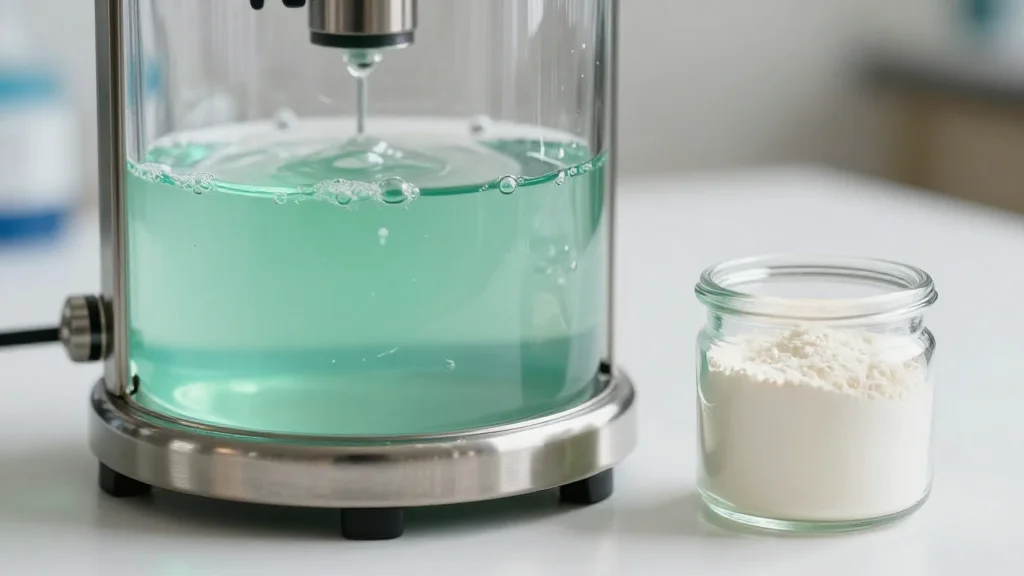
Solar Foods brings a novel twist to the hydrogen narrative. Its Solein protein is generated in a sealed bioreactor where a single‑cell microorganism consumes carbon dioxide, green hydrogen and oxygen to produce a high‑protein, flavor‑neutral powder. The first commercial plant, Factory 01 in Vantaa, can deliver 160 tonnes of protein annually—roughly the output of a 300‑cow dairy herd—while a planned 6,400‑tonne Facility 02 will be co‑located with BalticSeaH2’s hydrogen generators. This integration allows Solar Foods to focus on scaling its fermentation technology while leveraging partner‑provided green hydrogen, creating a symbiotic supply chain that maximises renewable energy use.
The collaboration underscores a broader shift toward circular economies where energy and food systems intersect. By coupling green‑hydrogen production with sustainable protein, the partnership reduces carbon footprints on two fronts: it replaces fossil‑derived ammonia and synthetic fertilizers with green alternatives, and it offers a low‑impact protein source that avoids land‑intensive agriculture. Investors are watching closely, as the model could be replicated across other EU hydrogen valleys, accelerating the continent’s net‑zero targets while opening new revenue streams for biotech firms and energy utilities alike.
EU Green Hydrogen Scheme Embraces High-Tech Solar Foods
Comments
Want to join the conversation?
Loading comments...