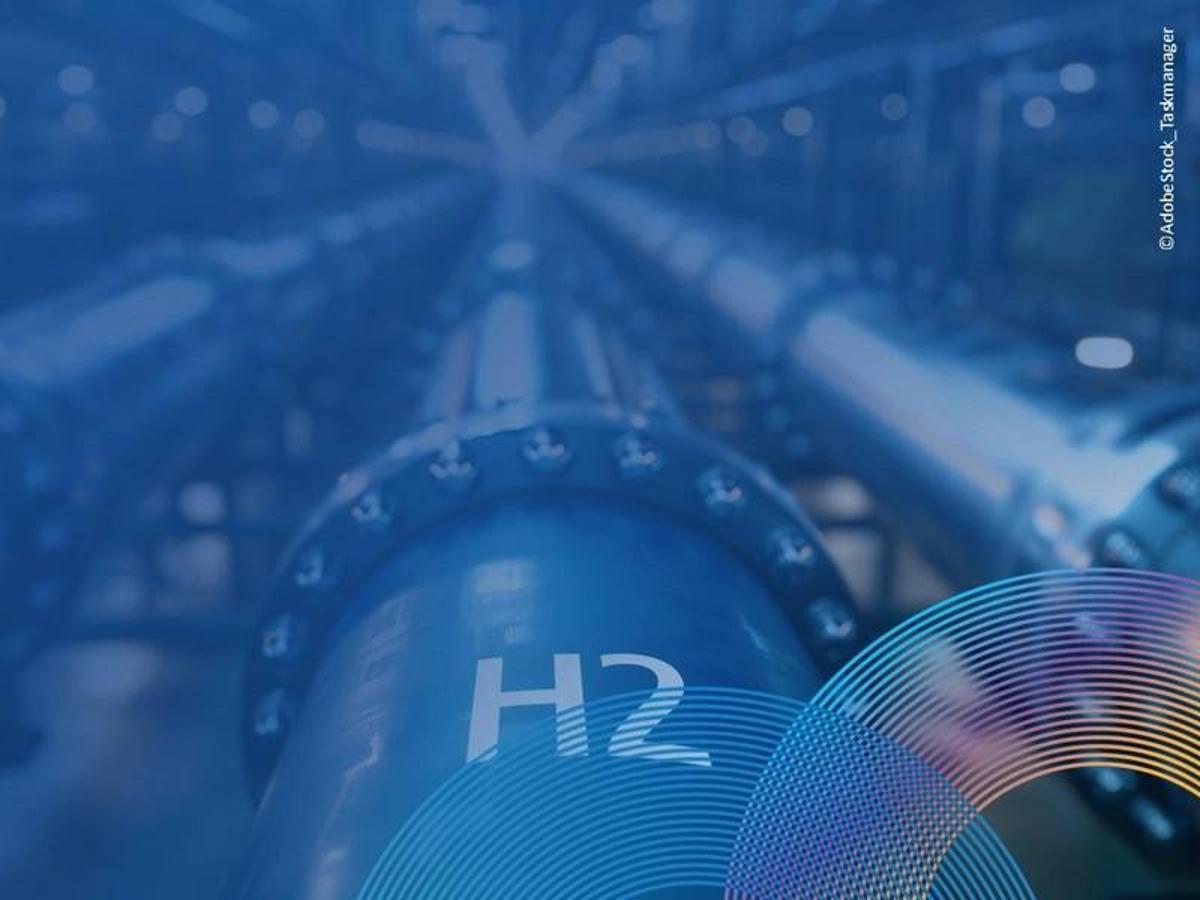
EU Matches Hydrogen Offtakers to Potential Projects
Why It Matters
The strong engagement demonstrates growing market confidence in Europe’s hydrogen transition, accelerating supply‑demand alignment and de‑risking future investments. It also signals that policy‑driven matchmaking can fast‑track the continent’s low‑carbon energy goals.
Key Takeaways
- •265 hydrogen supply projects registered in first round
- •87% of supply opportunities attracted at least one offtaker
- •Half of suppliers got interest from three or more offtakers
- •45 offtake projects registered across 10 EU countries
- •Derivatives include ammonia, methanol, e‑SAF, e‑methane
Pulse Analysis
Europe’s hydrogen agenda has moved from policy rhetoric to concrete market action with the launch of the EU Energy and Raw Materials Platform’s Hydrogen Mechanism. By offering a single, transparent portal, the Commission eliminated the need for project developers to conduct separate outreach, allowing them to showcase 265 renewable and low‑carbon hydrogen projects—including ammonia, methanol, e‑SAF and e‑methane—to a broad pool of industrial buyers. This streamlined approach mirrors successful matchmaking models in other sectors, providing real‑time market intelligence that helps both sides gauge demand, price expectations, and geographic preferences.
The response to the first round was striking: 45 offtake projects were logged, and expressions of interest covered 87% of the supply listings. Notably, 50% of suppliers attracted interest from three or more potential buyers, indicating a robust appetite for hydrogen across the EU’s industrial landscape. Demand came from ten member states, with off‑takers seeking deliveries in markets ranging from Germany’s heavy industry to Spain’s transport sector. Such high engagement reduces perceived risk for investors, as it demonstrates that viable revenue streams are already being identified for nascent hydrogen assets.
Looking ahead, the Commission’s plan to expand the mechanism to include infrastructure support could further catalyze the market. By facilitating connections for pipelines, storage, and refueling stations, the platform can address one of the biggest bottlenecks in scaling hydrogen—logistics. For financiers and corporate strategists, the data emerging from this initiative offers a clearer picture of where capital is likely to flow, helping shape investment theses and policy advocacy. In short, the Hydrogen Mechanism not only validates Europe’s commitment to a low‑carbon future but also provides the practical tools needed to turn that vision into operational projects.
EU Matches Hydrogen Offtakers to Potential Projects
Comments
Want to join the conversation?
Loading comments...