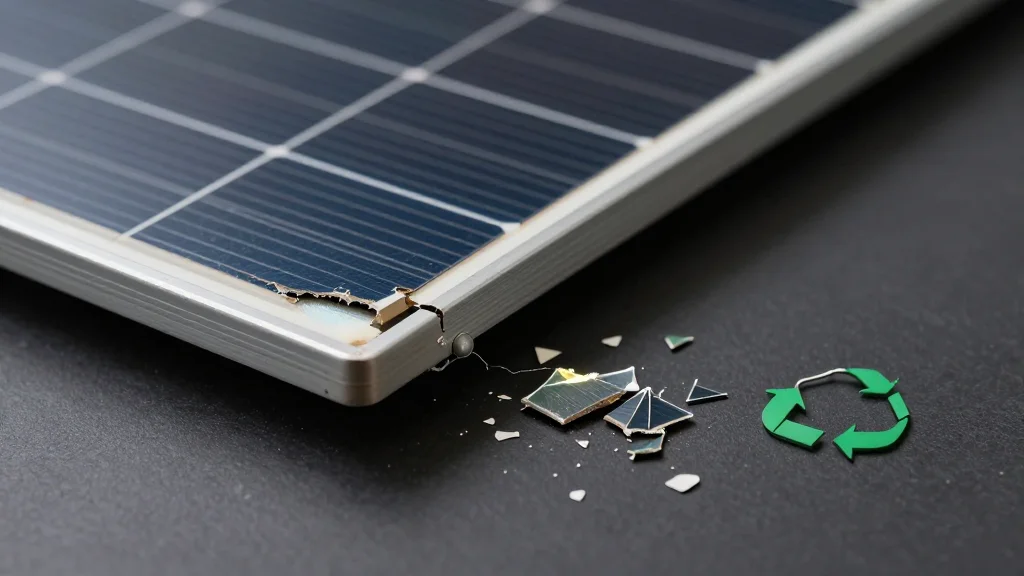
EU Solar Recycling only Viable Under Strict Policy, Say Researchers
Why It Matters
The analysis underscores that mandatory EU recycling policies are essential to secure a circular supply chain for critical raw materials and to meet climate‑neutrality goals, influencing investment decisions across the solar industry.
Key Takeaways
- •Exporting scrap remains cheapest without binding recycling mandates
- •Full EU policies raise treatment cost to $446 per ton
- •Large-scale plants only viable; no SME facilities in optimal model
- •Stockpiling cuts landfilling by up to 38% and boosts utilization
- •Landfill taxes must increase sixfold to shift treatment away from dumping
Pulse Analysis
Europe’s waste‑electronic directives have long allowed solar‑panel exporters to sidestep domestic recycling, but the TU Wien study quantifies the hidden cost of that approach. By modeling three policy scenarios—baseline, limited export restrictions, and full Net‑Zero Industry Act plus Critical Raw Materials Act targets—the researchers reveal that only a stringent, binding framework can justify the capital outlay for large‑scale recycling facilities. The cost jump from $32 to $446 per metric ton reflects the infrastructure needed to meet recycled‑content quotas and to extract valuable metals such as silver.
The economic calculus hinges on material recovery. Silver, the primary driver of recycling profitability, can offset processing expenses, yet its concentration is declining in newer cell designs, potentially eroding future returns. Consequently, the optimal solution favors a handful of megafacilities—five each in Italy and Germany by 2035—while small‑ and medium‑sized plants are excluded as cost‑inefficient. This concentration amplifies the importance of steady feedstock streams; the study highlights temporal stockpiling as a lever to smooth inflows, reduce landfilling by up to 38%, and keep plants operating at high capacity.
Policy makers face a clear trade‑off: maintain low landfill costs and risk continued dumping, or impose higher landfill taxes—estimated at six times current rates—to shift behavior toward recycling. Coupled with mandatory recycled‑content targets, such fiscal measures could accelerate the build‑out of domestic capacity, secure critical raw‑material supplies, and align the sector with the EU’s 2030 climate objectives. Stakeholders from manufacturers to waste‑management firms should monitor forthcoming legislation, as the timing and stringency of EU mandates will dictate investment flows and the competitive landscape for solar‑module recycling in Europe.
EU solar recycling only viable under strict policy, say researchers
Comments
Want to join the conversation?
Loading comments...