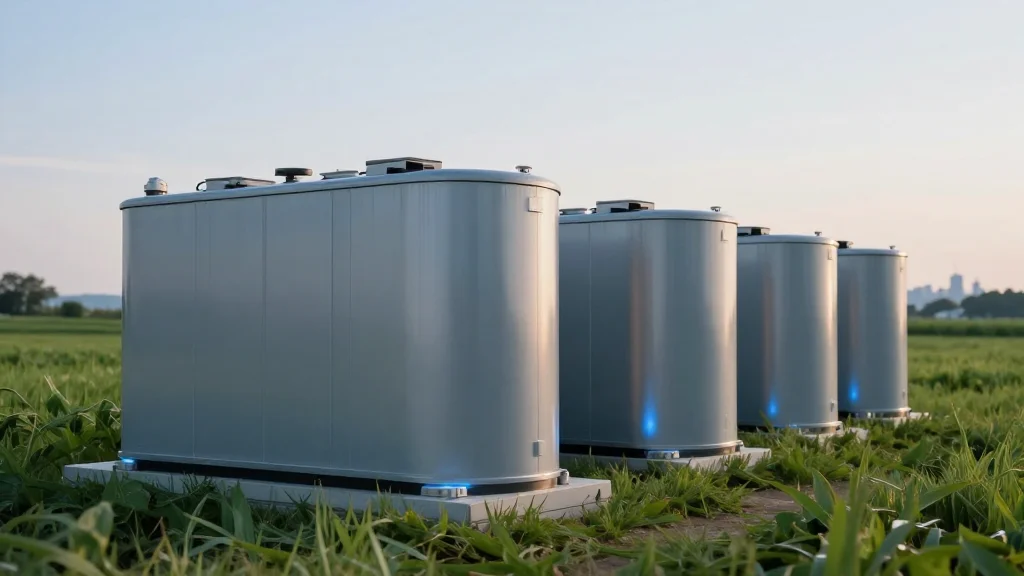
Europe Embraces Energy Storage to Enhance Power Flexibility
Companies Mentioned
Why It Matters
The rapid expansion of LDES strengthens grid flexibility, enabling higher renewable penetration and reliable power for mission‑critical loads, while creating a lucrative investment arena for technology providers and financiers.
Key Takeaways
- •Europe’s utility‑scale storage pipeline exceeds 130 GW across 37 countries
- •UK battery capacity grew 45% in 2024, reaching 12.9 GWh operational
- •Form Energy’s 10 MW/1,000 MWh iron‑air project targets 2029 in Ireland
- •Hybrid gas‑engine/battery systems boost data‑center reliability and grid stability
- •Regulators now mandate cybersecurity compliance for large‑scale storage deployments
Pulse Analysis
Europe’s energy‑storage surge reflects a strategic response to soaring renewable output and tightening grid constraints. A Wood Mackenzie analysis shows a 130 GW pipeline, dwarfing the United States’ current build‑out, while national policies such as the UK’s Clean Power 2030 Action Plan and the EU’s REPowerEU drive procurement of long‑duration assets. Higher wholesale price volatility, especially from gas, makes flexible storage economically attractive, prompting utilities and investors to prioritize projects that can shift multi‑day surplus into reliable supply.
Long‑duration technologies are moving from pilot to commercial scale. Form Energy’s iron‑air battery, delivering 100‑hour discharge, will debut a 10 MW/1,000 MWh plant in Ireland by 2029, showcasing modular scalability for grid‑congestion relief. Parallel efforts by Ore Energy in France and Inlyte Energy’s iron‑sodium system for Swiss data centres illustrate a diversification of chemistries aimed at safety, permitting ease, and cost‑effectiveness. Hybrid configurations that pair gas‑engine generators with batteries address the reliability demands of data‑centres and industrial users, reducing renewable curtailment and providing firm capacity during low‑wind periods.
Regulatory clarity and cybersecurity are now integral to storage roll‑out. European frameworks increasingly require compliance with standards like the NCSC Cyber Assessment Framework, turning cyber‑resilience into a prerequisite for financing. Partnerships with Chinese manufacturers, such as Sungrow’s 1 GWh BESS deal in Romania, highlight the global supply chain’s role, while investors cite stronger European economics versus the U.S. market. As LDES pipelines mature, the continent is set to cement storage as critical grid infrastructure, unlocking new revenue streams for developers and reinforcing energy security across the region.
Europe Embraces Energy Storage to Enhance Power Flexibility
Comments
Want to join the conversation?
Loading comments...