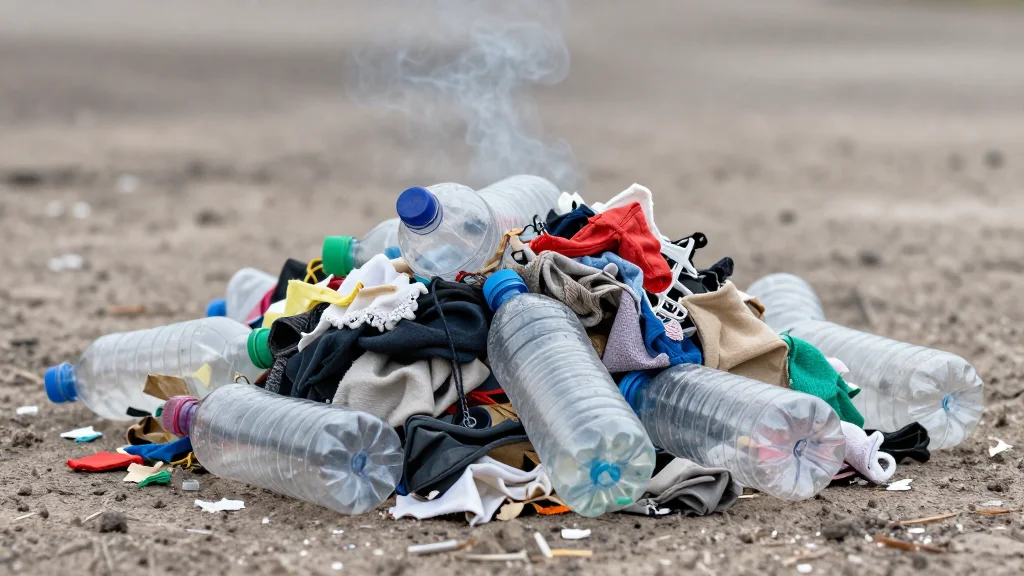
Exported Plastic Waste Incinerated Overseas Sparks Health and Climate Alarm

Why It Matters
The twin crises of plastic incineration in Indonesia and textile dumping in Chile illustrate how climate‑tech solutions can be undermined by inequitable waste flows. When high‑income countries export waste without ensuring safe processing, they shift health burdens and greenhouse‑gas emissions onto vulnerable communities, eroding the social license for any circular‑economy initiative. Addressing these gaps is essential for meeting the Paris Agreement’s net‑zero targets and for building a truly sustainable global supply chain. Beyond the immediate health impacts, the uncontrolled burning of plastics releases short‑lived climate pollutants such as black carbon and volatile organic compounds, which have a disproportionate warming effect. If left unchecked, these emissions could offset gains from renewable energy deployment, highlighting the need for integrated policy that couples waste management with climate mitigation.
Key Takeaways
- •12% of global plastic waste—hundreds of millions of tonnes annually—is burned, often in low‑tech furnaces lacking scrubbers.
- •Tropodo, Java, uses shredded plastic as fuel for tofu production, exposing workers to toxic smoke.
- •Chile imports 123,000 tonnes of used clothing each year; up to 39,000 tonnes are illegally dumped in the Atacama Desert.
- •Health studies link plastic incineration to premature births, congenital defects, and higher cancer risk.
- •Circular economy pilots, like CircularTec’s textile‑reuse factory, aim to divert waste from burning and dumping.
Pulse Analysis
The revelations from Indonesia and Chile expose a structural flaw in the emerging climate‑tech narrative: the focus on high‑tech solutions in wealthy markets often ignores the low‑tech realities where waste ends up. Historically, waste export has been framed as a cost‑saving measure for producers, but the externalities—health crises, carbon leakage, and social unrest—are now surfacing in investigative reporting. This creates a market incentive for climate‑tech firms to develop affordable, portable emission‑control technologies that can be retrofitted to existing furnaces in developing regions. Companies that can bundle clean‑energy generation with robust filtration could capture a new niche, especially if tied to compliance frameworks under the Basel Convention.
Policy momentum is also shifting. The EU’s recent proposal to tighten waste‑export licensing could force exporters to certify that downstream processing meets EU environmental standards. If enacted, this would raise the cost of dumping plastic abroad, potentially making circular‑economy investments—like the textile‑reuse plant in Iquique—more attractive. However, enforcement will be the real test; without on‑the‑ground monitoring, illegal dumping will persist.
In the longer term, the climate‑tech sector must reckon with the justice dimension of waste. Investors are increasingly scrutinizing ESG metrics, and the health impacts documented in Java could become a red flag for funds seeking to avoid reputational risk. A coordinated response—combining stricter export controls, technology transfer for clean incineration, and circular‑economy pilots—offers the most viable path to align waste management with global climate goals.
Exported Plastic Waste Incinerated Overseas Sparks Health and Climate Alarm
Comments
Want to join the conversation?
Loading comments...