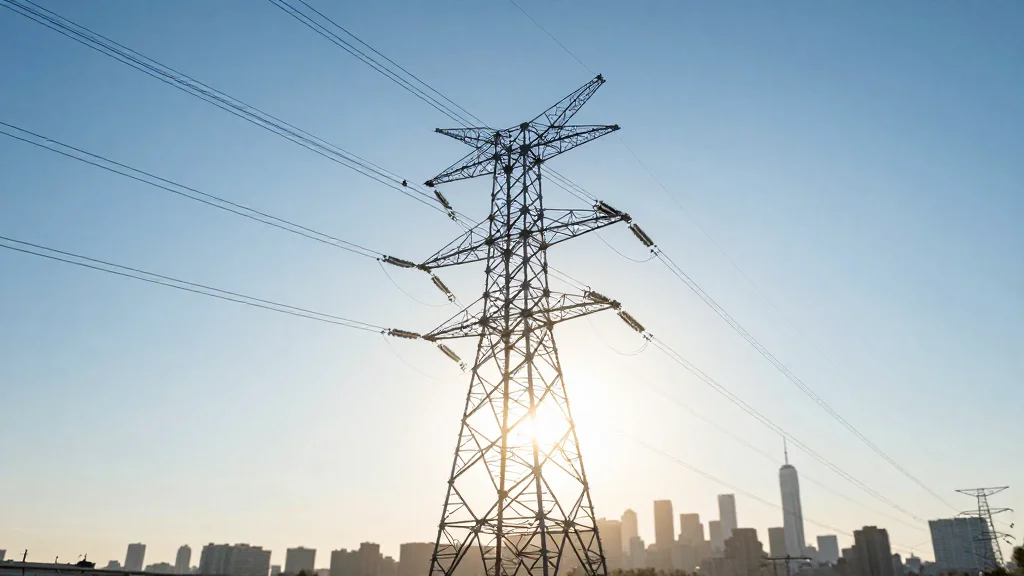
Extended Heat Wave Could Cripple New York’s Grid This Summer: NYISO
Why It Matters
A shrinking reliability margin threatens widespread outages during heat waves, jeopardizing New York’s economic activity and its climate‑decarbonization timeline.
Key Takeaways
- •NYISO forecasts only 417 MW reliability margin under baseline summer conditions
- •Margin could turn negative by up to –3,370 MW during extreme heat waves
- •NYISO can add 3,166 MW emergency headroom via purchases and curtailments
- •State needs several thousand MW of new dispatchable generation within decade
- •Reliability margins have dropped ~80% since 2022, raising blackout risk
Pulse Analysis
New York’s power grid is approaching a critical inflection point as the NYISO’s latest summer reliability assessment reveals a razor‑thin margin of just 417 MW between available capacity and peak demand. This shortfall reflects a confluence of factors: an aging fleet of fossil‑fuel generators, delayed construction of new dispatchable resources, and a surge in electricity consumption driven by electrified heating, transportation, and industrial projects. The operator’s historical peak of 33,956 MW set in 2013 now appears precarious, with projected demand growth of up to 90 % over the next two decades amplifying the strain.
The risk escalates dramatically under extreme heat conditions. A three‑day spell with average temperatures of 95 °F would push the reliability margin into negative territory by 1,679 MW, and a 98 °F average could deepen the deficit to 3,370 MW. While NYISO retains the ability to marshal an additional 3,166 MW through emergency purchases, voluntary industrial curtailments, and reduced reserves, such measures are stop‑gap solutions that cannot replace long‑term firm capacity. Without swift action, the state faces a heightened probability of rolling blackouts, which would disrupt businesses, strain emergency services, and erode consumer confidence.
Policy makers are now confronting the dual challenge of bolstering grid resilience while staying on track with decarbonization goals. Governor Kathy Hochul’s contemplation of revising the 2019 climate legislation signals a willingness to extend timelines for a carbon‑free grid, but the urgency of the reliability gap may compel more immediate incentives for new natural‑gas, battery, or hybrid plants that can deliver firm power. Investment in transmission upgrades, demand‑response programs, and advanced forecasting tools will also be essential. As New York navigates this transition, the balance between reliability and sustainability will define the state’s energy landscape for the coming decade.
Extended heat wave could cripple New York’s grid this summer: NYISO
Comments
Want to join the conversation?
Loading comments...