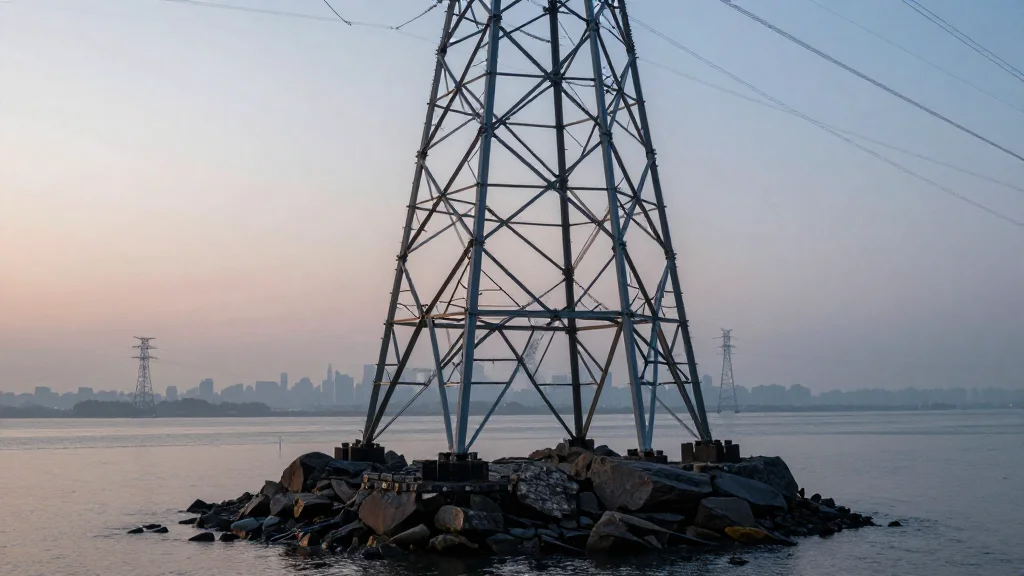
FERC Approves Market Rules for Champlain Hudson Transmission Project
Why It Matters
The project provides a large, low‑cost renewable import that helps New York meet its 70% renewable target while pioneering a new merchant transmission framework that could reshape U.S. power markets.
Key Takeaways
- •CHPE secures FERC approval for 1,250‑MW merchant line
- •Project will deliver 10.4 TWh of Canadian hydropower annually
- •NYISO integrates physical reservation model with financial scheduling
- •NY ratepayers face roughly $1.65 monthly bill increase
Pulse Analysis
The Champlain Hudson Power Express (CHPE) marks a pivotal shift in North American energy infrastructure. By constructing a 300‑mile, high‑voltage direct‑current line from Quebec’s Hertel substation to Queens, the project unlocks a steady flow of clean, low‑cost hydroelectricity for the densely populated New York market. Its $6 billion price tag reflects both the scale of the buried transmission corridor and the strategic intent of Blackstone‑backed Transmission Developers Inc. to capture long‑term revenue through a merchant model, rather than relying on traditional regulated utility ownership.
FERC’s recent market‑rule approval is equally consequential. The revisions to NYISO’s Open Access Transmission Tariff and Market Administration Tariff enable the integration of CHPE’s physical reservation system with the ISO’s financial scheduling platform. This hybrid approach allows market participants to bid for import capacity, securing transmission rights while the ISO assigns locational marginal prices at the Astoria Proxy Generator Bus. By pioneering this reservation‑based framework, CHPE sets a precedent that could accelerate the deployment of other merchant transmission projects, offering a more flexible, market‑driven path to expand grid capacity.
Beyond the technical and regulatory milestones, the line directly supports New York’s Climate Leadership and Community Protection Act, which aims for 70% renewable electricity by 2030. While the projected $1.65 monthly ratepayer impact is modest, the broader economic and environmental benefits—reduced reliance on fossil fuels, lower wholesale power prices, and strengthened cross‑border energy ties—position CHPE as a template for future clean‑energy corridors across the United States. Its success may encourage policymakers to revisit tariff structures and accelerate similar investments in other regions seeking to meet aggressive decarbonization goals.
FERC approves market rules for Champlain Hudson transmission project
Comments
Want to join the conversation?
Loading comments...