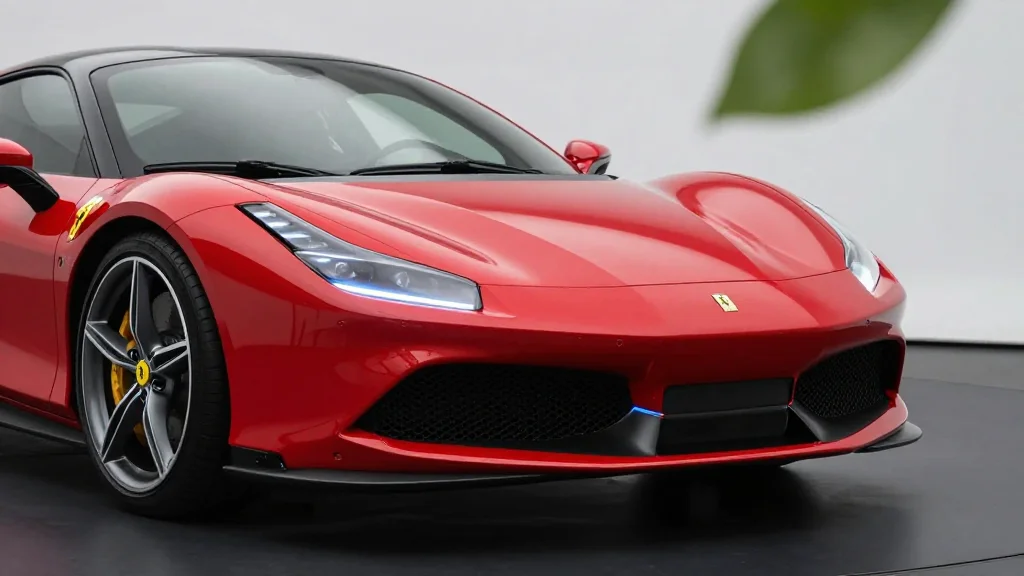
Ferrari Unveils Luce, First Fully Electric Supercar Priced Near $640K

Companies Mentioned
Why It Matters
Ferrari’s entry into the electric supercar arena signals a watershed for the ultra‑luxury automotive sector, where heritage and performance have traditionally been tied to internal combustion engines. By delivering a vehicle that matches or exceeds the performance of its gasoline‑powered peers while offering zero‑emission driving, Ferrari sets a benchmark that could accelerate EV adoption among affluent consumers and push competitors to prioritize high‑performance electrification. Moreover, the Luce’s design partnership with LoveFrom underscores the growing importance of cross‑industry collaborations—particularly with tech‑focused design studios—to create products that blend cutting‑edge technology with iconic brand DNA. The launch also tests market appetite for premium EVs priced well above $500,000, a segment that remains niche but highly visible. If the Luce sells in meaningful numbers, it could validate the business case for other legacy manufacturers to invest heavily in bespoke electric platforms, thereby expanding the overall EV market and contributing to broader decarbonization goals.
Key Takeaways
- •Ferrari unveiled the Luce, its first fully electric production car, on May 25, 2024.
- •The Luce delivers 1,035 hp, 0‑100 km/h in 2.5 seconds, top speed >310 km/h, and a 530 km+ electric range.
- •Price starts at roughly $640,000 (€550,000), positioning it among the most expensive EVs.
- •Design led by LoveFrom (Jony Ive and Marc Newson); over 60 new patents filed for the project.
- •Production slated for late 2026 with deliveries beginning early 2027; U.S. pricing not yet disclosed.
Pulse Analysis
Ferrari’s Luce is more than a headline‑grabbing product launch; it is a strategic inflection point for a brand that has built its identity on the roar of a V12. By committing to a clean‑sheet electric architecture, Ferrari signals confidence that performance can be re‑engineered rather than merely retrofitted. This approach contrasts with the incremental hybrid strategies of many rivals and could force a recalibration of competitive dynamics in the hyper‑luxury segment. The partnership with LoveFrom also illustrates a broader industry trend: legacy automakers are increasingly outsourcing design DNA to tech‑centric studios to inject fresh perspectives and appeal to a younger, sustainability‑aware demographic.
From a market perspective, the Luce’s pricing places it in a bracket where volume is limited but brand equity gains are substantial. Early adopters will likely be existing Ferrari owners seeking to future‑proof their collections, while the five‑seat layout hints at an ambition to attract affluent families—a demographic traditionally served by high‑end SUVs. If demand materializes, the Luce could unlock a new revenue stream that offsets the slower growth of internal combustion sales, helping Ferrari meet its announced target of 40% electrified models by 2030.
Looking ahead, the key uncertainties revolve around infrastructure compatibility (e.g., access to high‑power chargers in key markets) and regulatory pressures that may accelerate EV adoption in Europe and Asia. Ferrari’s decision to keep combustion models in its lineup suggests a hedged strategy, but the Luce’s success will likely dictate how aggressively the marque pushes further electric models. Investors and analysts should monitor pre‑order numbers, supply‑chain readiness for the 122 kWh battery, and the brand’s ability to maintain its premium aura while embracing a zero‑emission future.
Ferrari Unveils Luce, First Fully Electric Supercar Priced Near $640K
Comments
Want to join the conversation?
Loading comments...