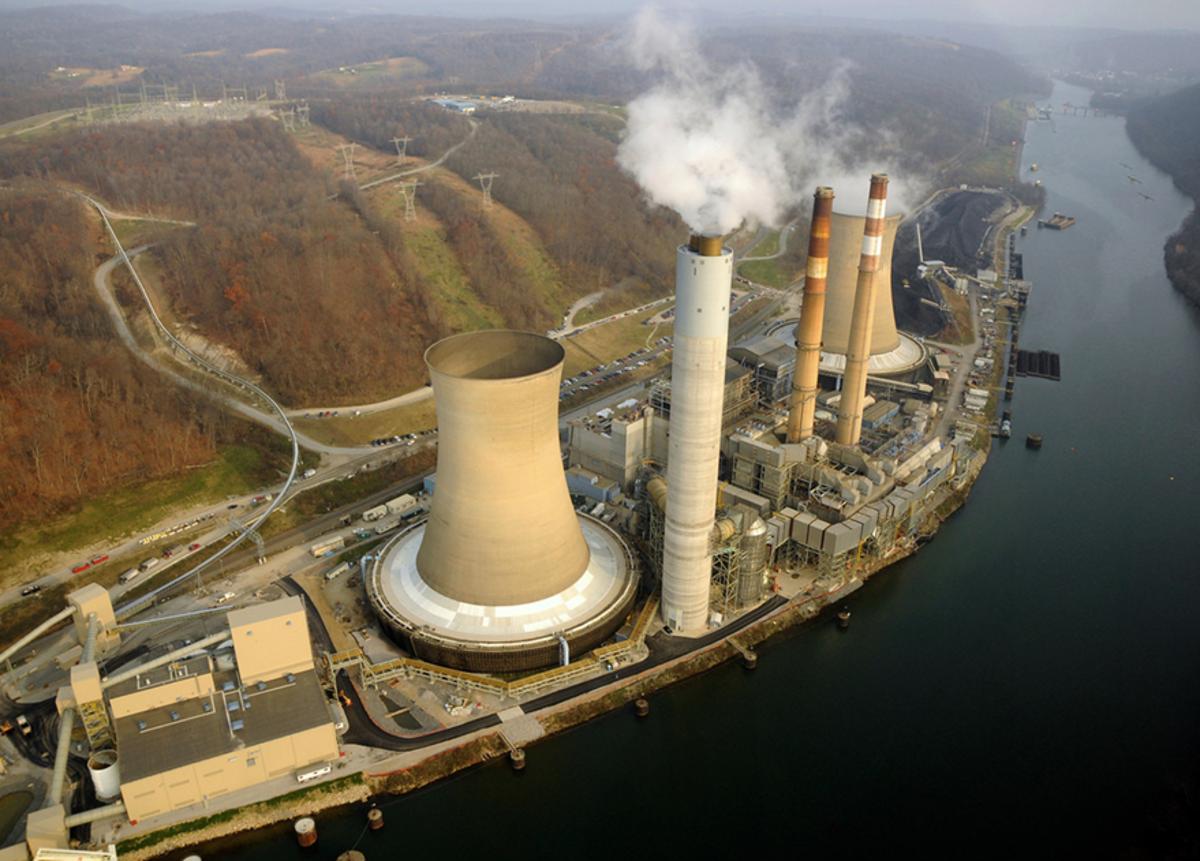
FirstEnergy Subsidiaries Select Site for New 1.2 GW Natural Gas Plant in West Virginia
•February 18, 2026
0
Why It Matters
The projects expand U.S. generation capacity amid rising demand from AI‑driven data centers, while regulatory shifts could reshape emissions compliance and investment risk.
Key Takeaways
- •FirstEnergy eyes 1.2 GW gas plant in West Virginia
- •Ohio’s 9.2 GW project leads U.S.–Japan investment initiative
- •PGE acquires PacifiCorp assets for $1.9 B
- •EPA revokes car emissions rule, threatens stationary source standards
- •RNG measurement webinar highlights cost‑cutting technology
Pulse Analysis
The selection of a West Virginia site for FirstEnergy’s 1.2 GW natural‑gas plant reflects a broader industry trend of bolstering baseload capacity to meet surging electricity demand. Data centers, now powered by AI workloads, require reliable, on‑site generation, prompting utilities and independent power producers to prioritize large, quickly deployable gas facilities. While renewable integration remains a policy goal, the immediacy of power reliability drives investors toward proven fossil‑fuel technologies, especially in regions with existing pipeline infrastructure.
Simultaneously, the 9.2 GW Portsmouth Powered Land Project in Ohio illustrates how international partnerships can accelerate megaproject financing. The U.S.–Japan $550 billion investment framework provides a diplomatic and financial catalyst, encouraging cross‑border collaboration on high‑impact infrastructure. Such mega‑plants not only create jobs and tax revenue but also raise questions about long‑term carbon footprints, prompting stakeholders to balance economic gains with climate commitments.
Regulatory dynamics add another layer of complexity. The EPA’s decision to rescind a key greenhouse‑gas emissions finding threatens to loosen standards for both mobile and stationary sources, potentially easing compliance costs for new gas plants but also risking backlash from climate advocates. Meanwhile, advances in renewable natural gas (RNG) measurement, highlighted in a recent webinar, aim to lower barriers for low‑carbon fuel adoption. Accurate, affordable analytics could make RNG a more viable complement to traditional gas, offering a pathway to reduce emissions without sacrificing reliability. Together, these forces shape a nuanced energy landscape where capacity expansion, international finance, and evolving policy intersect.
FirstEnergy subsidiaries select site for new 1.2 GW natural gas plant in West Virginia
0
Comments
Want to join the conversation?
Loading comments...