Why It Matters
The deal unlocks scarce land resources in a solar‑constrained market, accelerating Florida’s clean‑energy transition and delivering new public revenue.
Key Takeaways
- •D3 Energy secured lease for floating solar on FDOT sites
- •Florida pond inventory could host over 1 GW, powering 200k homes
- •Lease saves ~5,000 acres of land and generates state revenue
- •Consolidated lease streamlines procurement, cutting interconnection costs
- •Floating solar locates generation near demand, easing grid integration
Pulse Analysis
Floating solar has emerged as a pragmatic answer to the land‑scarcity dilemma that hampers utility‑scale photovoltaics, especially in densely populated states like Florida. By mounting panels on existing water bodies, developers avoid competing with agriculture, residential development, and protected habitats. The technology also offers ancillary benefits such as reduced water evaporation and improved panel cooling, which can boost energy yields compared with ground‑mount systems. As solar costs continue to decline, floating installations are gaining traction worldwide, positioning them as a scalable complement to traditional solar farms.
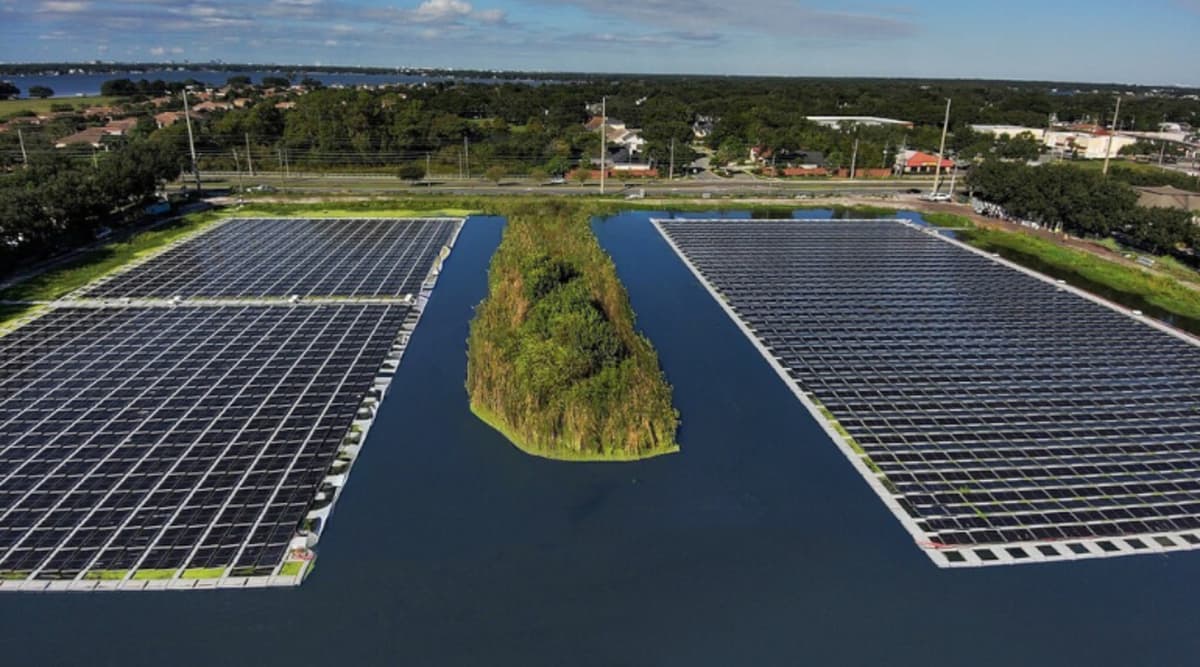
The Florida Department of Transportation’s master lease with D3 Energy represents a strategic shift from fragmented, site‑by‑site procurement to a unified framework that streamlines approvals and coordination. Under the agreement, D3 can access the agency’s extensive inventory of storm‑water ponds, which collectively could support more than 1 GW of capacity—enough electricity for over 200,000 households. The arrangement also safeguards roughly 5,000 acres of land, turning otherwise idle water infrastructure into a revenue‑generating asset for the state without imposing additional taxpayer burdens. Early results from the Orlando pilot, already online, demonstrate the model’s operational viability.
Beyond Florida, the partnership signals a broader policy trend: leveraging public‑sector assets to accelerate renewable deployment while sidestepping political resistance tied to land use. Utilities benefit from proximity to substations and highways, reducing interconnection costs and easing grid integration. As more states confront similar land constraints, the FDOT‑D3 blueprint could serve as a replicable template, encouraging other transportation departments and municipalities to monetize their water assets for clean energy. This could catalyze a wave of floating solar projects, bolstering the United States’ progress toward its 2030 clean‑energy targets.
Floating Solar Comes To DeSantistan
Comments
Want to join the conversation?
Loading comments...