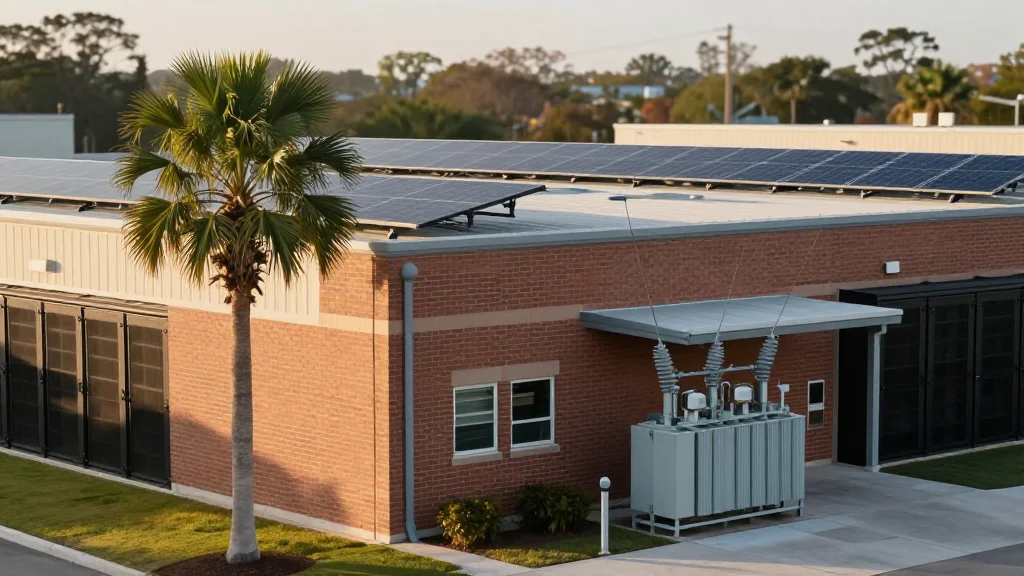
Florida Enacts First AI Data‑Center Energy Law to Shield Ratepayers

Why It Matters
The law directly addresses the climate‑tech challenge of high‑energy AI workloads by forcing the biggest power consumers to internalize their grid impact, a model that could drive broader adoption of renewable sourcing and efficiency upgrades. It also establishes a regulatory template for other jurisdictions seeking to protect ratepayers while managing the rapid expansion of AI infrastructure, a sector projected to become a major electricity consumer worldwide. Beyond electricity costs, the bill’s provisions on local siting authority and temporary confidentiality agreements could reshape the political calculus for data‑center developers, nudging them toward greener locations and more transparent community engagement. The outcome will influence investment decisions across the AI hardware supply chain and may accelerate climate‑tech innovations aimed at reducing data‑center energy intensity.
Key Takeaways
- •Governor Ron DeSantis signed SB 484, requiring AI data centers to cover full electricity costs.
- •Florida Public Service Commission must develop tariffs ensuring large‑load customers bear their own grid expenses.
- •Local governments can now block data‑center projects and sign NDAs with developers for up to 12 months.
- •The law aims to prevent residential utility customers from subsidizing hyper‑scale AI facilities.
- •Analysts view the rule as a potential template for other states confronting AI‑driven energy demand.
Pulse Analysis
Florida’s SB 484 marks a strategic pivot in climate‑tech policy, moving from voluntary sustainability pledges to enforceable cost‑allocation rules. By tying electricity expenses directly to the entities that generate the demand, the state creates a financial incentive for AI operators to pursue lower‑carbon power sources or invest in on‑site renewable generation. This mirrors earlier utility‑rate reforms in the telecom sector, where carriers were compelled to fund their own network upgrades, ultimately spurring faster adoption of energy‑efficient technologies.
The legislation also reflects a growing recognition that AI’s computational appetite is not just a tech issue but an energy and emissions challenge. As AI models scale, their power draw can eclipse that of entire cities, prompting regulators to intervene before grid stress translates into higher consumer bills and carbon output. Florida’s approach could catalyze a competitive advantage for clean‑energy providers, as data‑center developers seek cost‑effective renewable contracts to offset the new tariffs.
However, the law’s allowance for 12‑month confidentiality agreements introduces a tension between transparency and commercial secrecy. While it may protect proprietary site plans, it could also delay community input and environmental review, potentially undermining the public‑interest goals the bill seeks to achieve. The coming months will reveal whether the tariff design and enforcement mechanisms can balance these competing priorities without stifling investment in the state’s burgeoning AI ecosystem.
Florida Enacts First AI Data‑Center Energy Law to Shield Ratepayers
Comments
Want to join the conversation?
Loading comments...