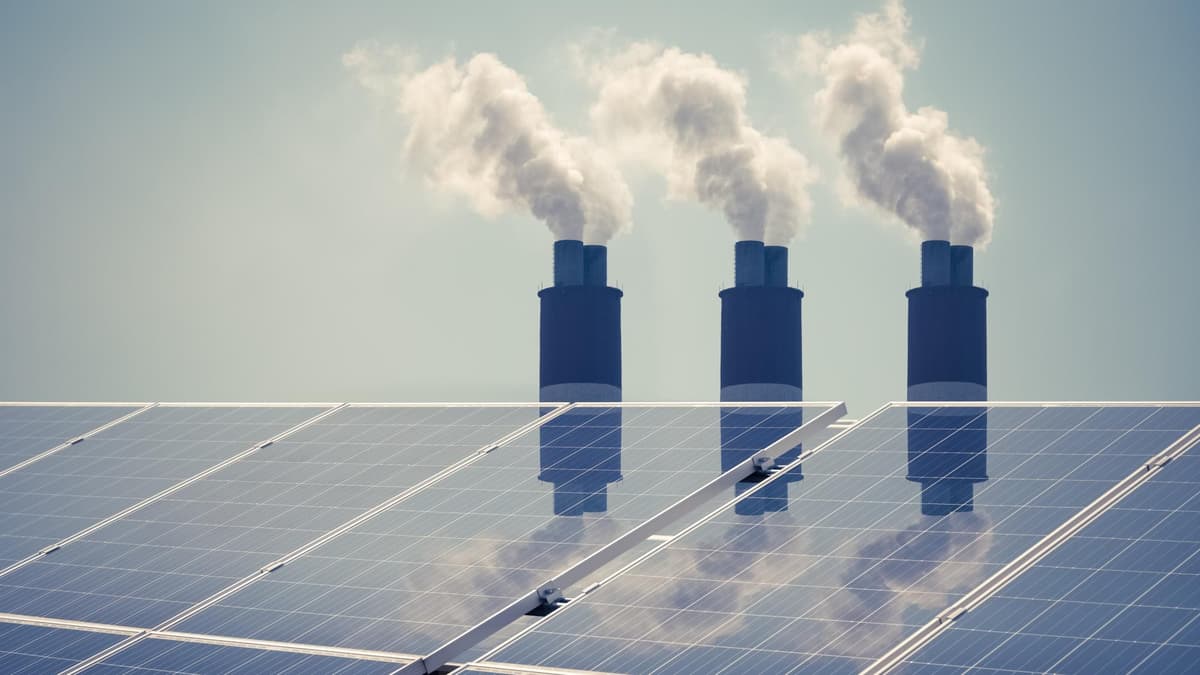
For First Time, Americans Are Getting More of Their Electricity From Solar than Coal
Companies Mentioned
Why It Matters
Solar’s ascendancy signals a structural transition toward lower‑cost, cleaner power, reshaping utility economics and climate policy. The contrast with renewed coal subsidies underscores a growing mismatch between market trends and political support.
Key Takeaways
- •Solar supplied 12.8% of U.S. electricity in May, surpassing coal's 12.2%
- •Solar share doubled in five years; coal fell from 20% to 12%
- •Federal $700 million coal plant funding clashes with the renewable surge
- •Solar ranks third after natural gas and nuclear in U.S. generation mix
- •Analysts project solar capacity growth to outpace installations dip in 2025
Pulse Analysis
The U.S. electricity grid recorded a historic turning point in May 2026 when solar power generated 12.8 percent of total output, edging out coal’s 12.2 percent for the first time on record. This milestone reflects a rapid acceleration of photovoltaic installations that have more than doubled the sector’s share in just five years, while coal’s contribution has slipped from roughly one‑fifth of the mix to its lowest level in a decade. Solar now sits as the third‑largest source behind natural gas and nuclear, underscoring the growing competitiveness of clean energy technologies.
The achievement arrives amid a hostile federal policy climate. In the same month, the Trump administration earmarked $700 million to revive coal‑fired generation, promising the nation’s first new coal plant in 13 years. Critics label the subsidy a lifeline for a declining industry, noting that coal output has been trending downward despite a modest uptick in May. The juxtaposition highlights a broader policy paradox: substantial public money is directed toward fossil fuels even as market forces and state‑level incentives continue to propel renewable adoption.
Looking ahead, analysts expect solar’s momentum to persist. Although the Solar Energy Industry Association reported a dip in new installations in 2025, solar still accounted for more than half of all added capacity, and price declines are making rooftop and utility‑scale projects increasingly attractive to utilities and corporate buyers. Continued growth promises lower electricity bills, reduced emissions, and enhanced grid resilience, especially as extreme weather and AI‑driven demand spikes test legacy generation. The sector’s trajectory suggests that renewable investment, rather than coal bailouts, will shape the United States’ energy future.
For first time, Americans are getting more of their electricity from solar than coal
Comments
Want to join the conversation?
Loading comments...