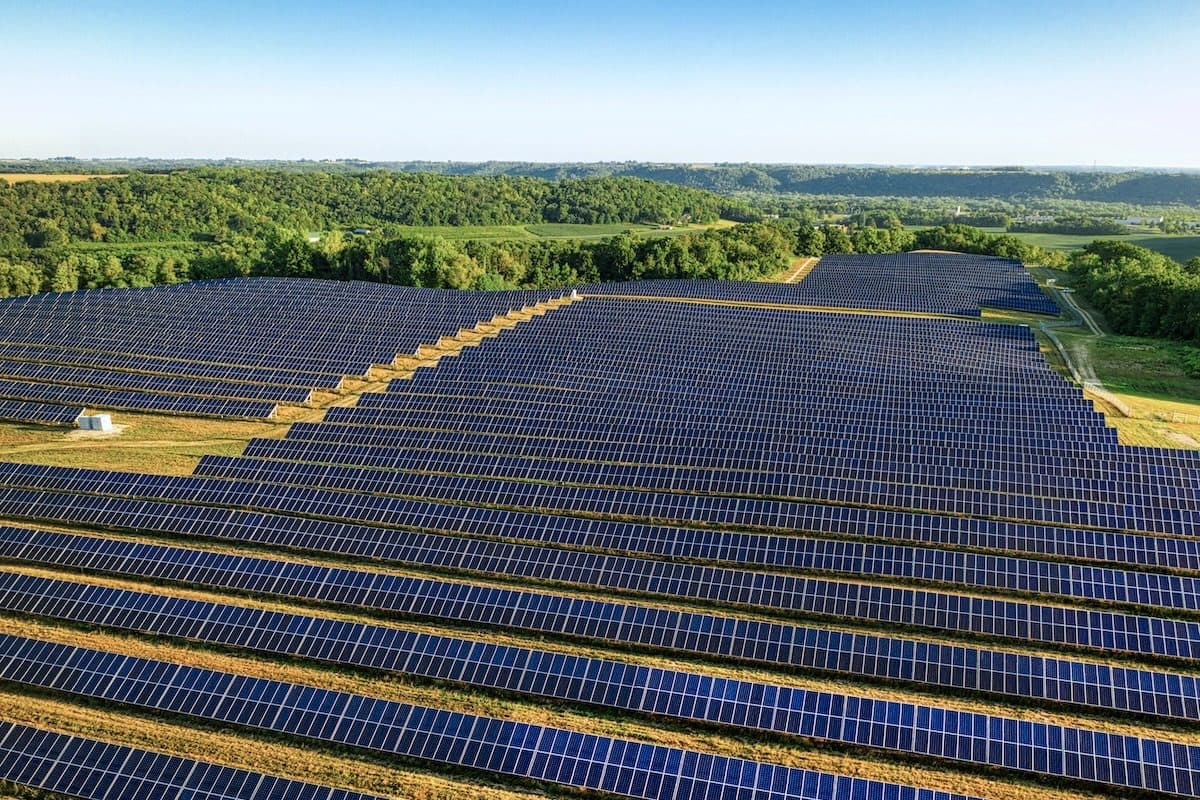
For the First Time in the U.S., Renewables Generate More Power Than Natural Gas
Why It Matters
The breakthrough signals accelerating U.S. decarbonization but highlights how surging demand can still prop up fossil‑fuel assets, shaping future energy policy and investment decisions.
Key Takeaways
- •Renewables outpaced natural gas in U.S. electricity generation in March
- •Seasonal demand dip helped wind and solar surpass fossil fuels
- •Coal plant retirements slowed; nine plants received life extensions
- •Solar, wind, batteries will add 93% of new capacity this year
- •Data centers installing natural‑gas generators counteract clean‑energy gains
Pulse Analysis
The March 2024 electricity mix marks a watershed moment for the United States, as renewables collectively eclipsed natural gas for the first time. Ember’s data shows that solar, wind, hydro and bioenergy together supplied more megawatt‑hours than the nation’s largest fossil fuel source, while nuclear kept the grid’s overall clean‑energy share above 50%. This milestone reflects years of policy incentives, falling technology costs, and a favorable spring climate that reduced heating and cooling loads, allowing low‑carbon generators to dominate the dispatch order.
However, the achievement is tempered by a resurgence in electricity demand driven by data‑center expansion and broader economic activity. Tech firms are deploying natural‑gas‑powered backup generators to guarantee reliability, and grid operators have postponed the retirement of aging coal plants, extending the life of nine facilities through emergency DOE orders. These dynamics illustrate the delicate balance between clean‑energy growth and the need for firm, dispatchable power, especially as the nation grapples with peak‑load challenges and the integration of intermittent renewables.
Looking ahead, the trajectory of U.S. power generation will hinge on how quickly additional renewable capacity—projected to account for 93% of new additions this year—can be coupled with storage and grid‑modernization measures. Policymakers may need to accelerate incentives for battery deployment and demand‑side management to prevent fossil‑fuel backstops from regaining market share. Investors and utilities alike should monitor the evolving regulatory landscape, as the interplay between rising demand, renewable buildout, and legacy plant extensions will shape the pace of the country’s transition to a low‑carbon grid.
For the First Time in the U.S., Renewables Generate More Power Than Natural Gas
Comments
Want to join the conversation?
Loading comments...