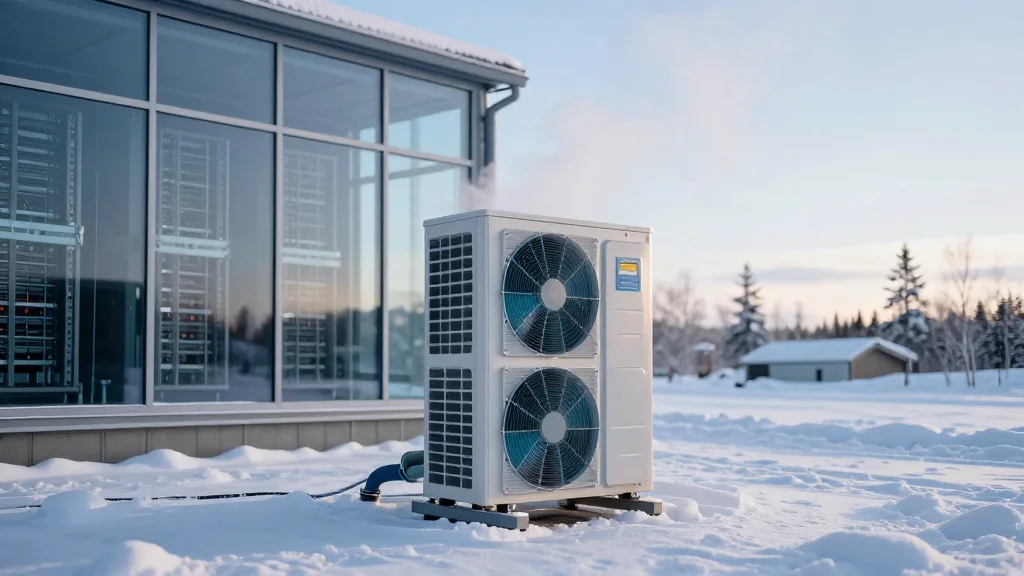
Fortum and Microsoft Launch 180 MW Heat‑Pump Plants to Capture Data‑Centre Waste Heat in Finland

Companies Mentioned
Why It Matters
The Fortum‑Microsoft collaboration illustrates a practical pathway to decarbonise district heating, a sector that accounts for a sizable share of European emissions. By turning data‑centre waste heat—a by‑product of the digital economy—into a reliable heat source, the project demonstrates how existing infrastructure can be repurposed to meet climate targets without building new fossil‑fuel plants. If replicated, this model could alleviate pressure on electricity grids by providing flexible, demand‑responsive heat, while also offering data‑centre operators a tangible sustainability benefit. The initiative therefore bridges two fast‑growing sectors—cloud computing and renewable heating—potentially reshaping energy policy and investment decisions across the continent.
Key Takeaways
- •Fortum activates two heat‑pump plants with 180 MW heating capacity and 800 MWh thermal storage in southern Finland.
- •Partnership with Microsoft will capture waste heat from two data centres, targeting ~40% of the region’s 2 TWh annual heating demand.
- •Plants comprise 40 air‑to‑water and 72 water‑to‑water heat pumps, supported by 200 MW of electric boiler capacity.
- •Projected to serve roughly 250,000 heat users, reducing reliance on fuel‑price‑sensitive boilers.
- •First waste‑heat integration expected in 2027, with scalability to other European sites.
Pulse Analysis
Fortum’s deployment marks a decisive step toward integrating digital‑infrastructure waste heat into municipal energy systems, a concept that has lingered in pilot projects but rarely achieved commercial scale. The 180 MW capacity is sizable enough to influence market dynamics, signaling to investors that heat‑pump technology can be a viable alternative to traditional combined‑heat‑and‑power plants. Moreover, the partnership leverages Microsoft’s expanding data‑centre footprint, turning a potential environmental liability into a revenue‑generating asset.
Historically, district heating in the Nordics has relied on centralized fossil‑fuel generation, but the region’s aggressive climate policies have accelerated the shift to renewables. The Fortum‑Microsoft model aligns with Finland’s 2035 carbon‑neutral heating goal, offering a replicable template for other countries where district‑heating networks coexist with growing data‑centre clusters. The flexible operation of heat pumps—able to modulate output in response to renewable electricity supply—also addresses a key challenge: balancing intermittent generation with steady heat demand.
Looking forward, the success of this initiative could catalyse a wave of similar agreements, especially as cloud providers seek to improve the sustainability credentials of their operations. Policy makers may respond with incentives for waste‑heat recovery, while utilities could explore joint‑venture structures to share risk and reward. The real test will be whether the projected 40% contribution to heating demand materialises on schedule, and whether the economic benefits—lower heating tariffs and reduced fuel exposure—translate into broader market adoption. If they do, the Fortum‑Microsoft partnership could become a cornerstone case study for circular energy integration in the climate‑tech era.
Fortum and Microsoft Launch 180 MW Heat‑Pump Plants to Capture Data‑Centre Waste Heat in Finland
Comments
Want to join the conversation?
Loading comments...