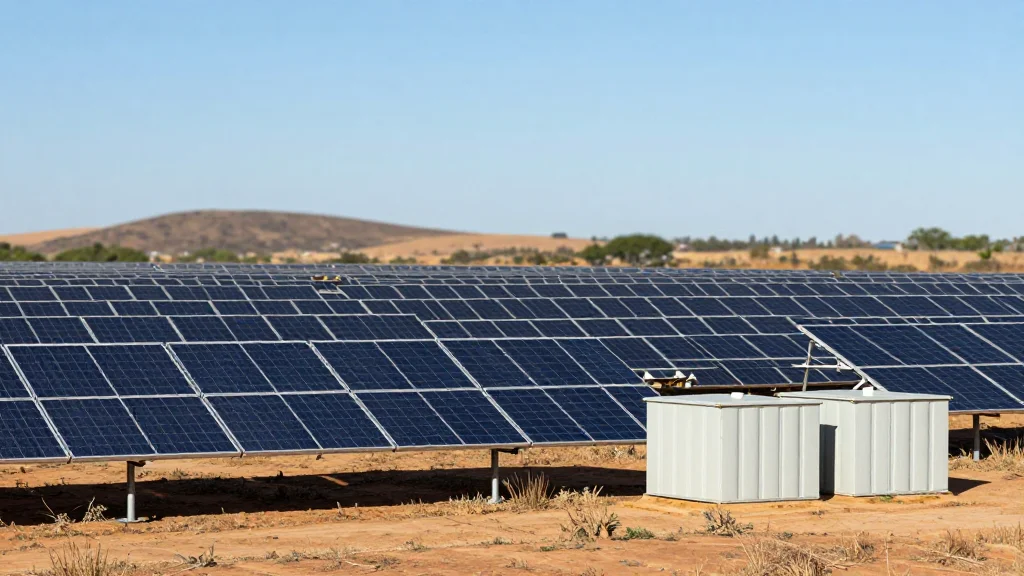
Free Market, Curtailment, and Storage Reshaping Brazilian Solar Sector
Why It Matters
The shift toward integrated storage solutions determines whether Brazil can sustain its rapid solar expansion despite infrastructure bottlenecks, influencing investment returns and energy security.
Key Takeaways
- •Northeast hosts 74 GW of Brazil’s 117 GW pipeline.
- •Free‑market solar now serves ~44% of national consumption.
- •Law 15,269 adds storage but forces generators to bear reserve costs.
- •Distributed minigeneration declines as grid connection limits tighten.
- •Hybrid battery systems achieve ~5‑year payback, driving demand.
Pulse Analysis
Brazil’s solar boom, once driven by sheer panel installations, now confronts a triad of constraints: curtailment, grid saturation, and evolving policy. The Northeast, home to roughly two‑thirds of the nation’s under‑construction capacity, illustrates the paradox of abundant resource and limited transmission. As the free‑market segment expands to cover nearly half of electricity demand, developers must navigate a regulatory landscape where Law 15,269 formally recognizes storage yet imposes reserve‑contracting costs on generators. This cost allocation could inflate tariffs and distort future auction dynamics, prompting calls for policy refinement.
The distributed generation segment mirrors the broader market’s maturation. While micro‑generation continues modest growth, minigeneration faces declining viability due to connection caps and reverse‑power‑flow restrictions. Regions with more than 20% distributed penetration are already encountering the technical limits seen in mature markets abroad, forcing distributors to assess transformer and substation capacities rigorously. Uncertainty around compensation mechanisms and the rollout of time‑of‑use tariffs further dampens consumer confidence, especially as end‑users shoulder about 60% of low‑voltage grid expenses.
Amid these challenges, energy storage emerges as the linchpin for the sector’s next wave. Batteries enable hybrid systems that balance generation with consumption, reduce curtailment, and open new revenue streams from data centers, green‑hydrogen projects, and industrial electrification. Average payback periods of roughly five years make the economics compelling, yet widespread adoption is hampered by a shortage of trained installers. Overcoming this skills gap and fine‑tuning cost‑allocation rules will be critical for Brazil to transition from panel‑centric growth to an integrated, resilient solar ecosystem.
Free market, curtailment, and storage reshaping Brazilian solar sector
Comments
Want to join the conversation?
Loading comments...