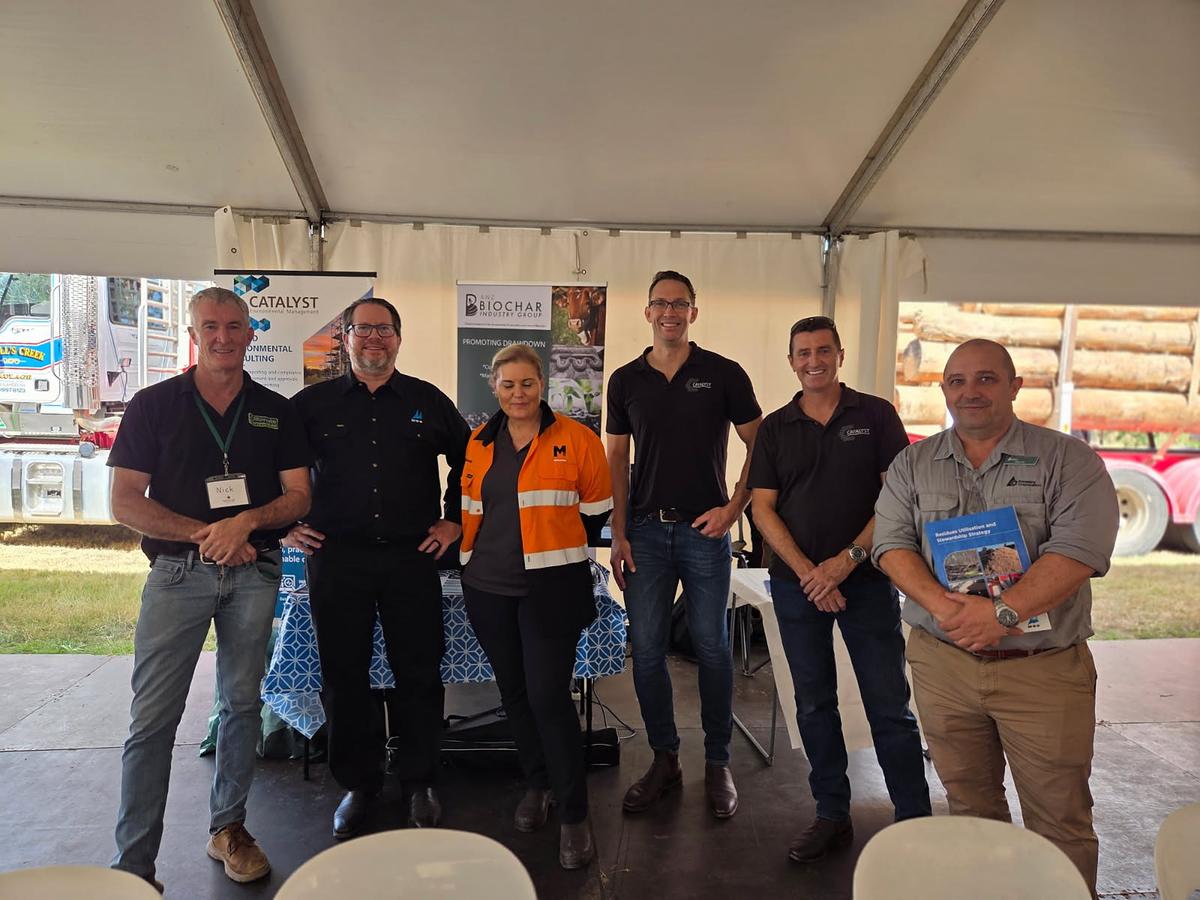
From Residue to Revenue — Forestry Hub Takes Biochar Pitch to Tocal
Why It Matters
By converting timber residues into biochar, landowners can unlock new income streams while supporting Australia’s climate‑action goals. The initiative accelerates adoption of sustainable forestry practices across the Hunter region and beyond.
Key Takeaways
- •Hub showcases biochar and pyrolysis to NSW landholders
- •Circular economy focus turns forest residues into marketable products
- •Partnerships include ANZ Biochar Industry Group and Forestry Corp NSW
- •Event at Tocal Field Days draws large Hunter region audience
- •New pyrolysis equipment demonstrated for on‑farm waste conversion
Pulse Analysis
The North East NSW Forestry Hub is leveraging the growing interest in biochar and pyrolysis to transform what was once waste into a revenue stream for farmers. By converting timber residues into stable carbon products, landholders can tap into carbon‑credit markets, improve soil health, and reduce disposal costs. This circular‑economy approach aligns with Australia’s broader climate‑action goals and reflects a shift toward low‑emission, value‑added forestry practices. As biochar technology matures, its adoption promises both environmental benefits and new income sources for regional producers. Stakeholders see biochar as a bridge between sustainable land management and profitable enterprise.
Tocal Field Days, held on May 2‑3 in the Hunter region, provides a high‑visibility platform for the Hub’s cross‑sector exhibitor program. The event features panels on farm forestry, hardwood timber products, and the latest pyrolysis equipment, drawing hundreds of landowners, agronomists, and policy makers. Partnerships with the ANZ Biochar Industry Group, Catalyst Environmental Management, and Forestry Corporation NSW lend credibility and broaden the knowledge base, while interactive demonstrations help attendees visualize how residue‑derived biochar can be integrated into existing farm operations. The hands‑on format accelerates information transfer and encourages immediate adoption. Feedback from participants indicates strong interest in scaling biochar projects across the region.
The Hub’s initiative signals a broader commercial pivot for Australian forestry, where residue valorisation could add billions to the sector’s bottom line. By monetising by‑products through biochar, farms can diversify revenue, meet emerging ESG criteria, and contribute to national emissions‑reduction targets. Government incentives for carbon sequestration and renewable energy further enhance the financial case, encouraging investment in pyrolysis units and training programs. As more landholders adopt these technologies, supply chains for biochar‑based soil amendments and renewable fuels are likely to expand, creating new market opportunities and reinforcing the sustainability narrative of the Australian timber industry.
From Residue to Revenue — Forestry Hub Takes Biochar Pitch to Tocal
Comments
Want to join the conversation?
Loading comments...