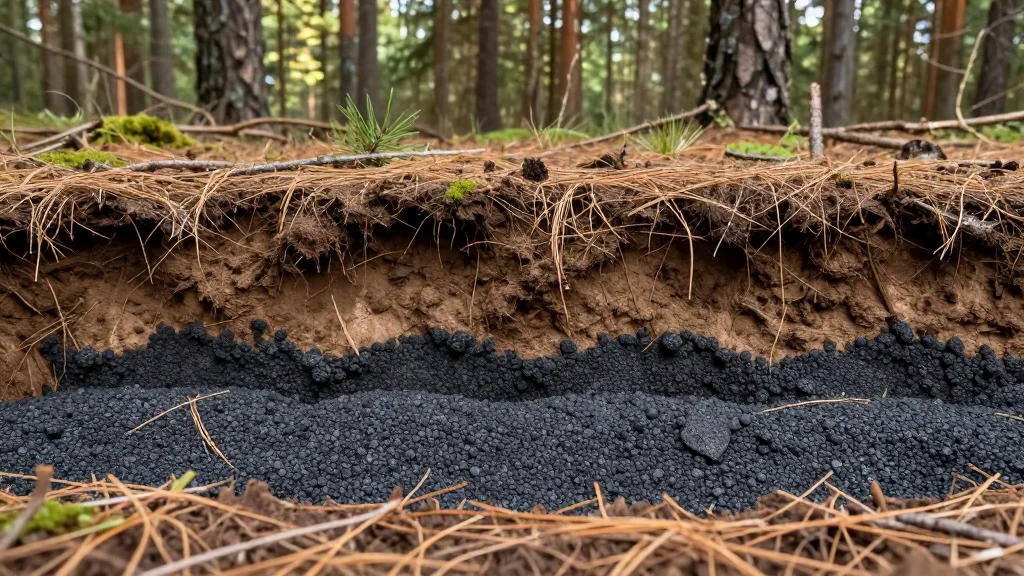
Graphyte Secures $9 M Wildfire‑Risk Deal to Pellet Forest Debris and Store Carbon Underground

Why It Matters
The Graphyte pilot sits at the intersection of two urgent climate challenges: escalating wildfire risk and the need for scalable carbon‑removal technologies. By turning low‑value forest slash into a marketable carbon asset, the project could unlock new financing streams for land managers who are currently forced to burn debris, a practice that fuels emissions and endangers nearby communities. Successful verification of carbon removal would also add a tangible, nature‑based option to corporate net‑zero portfolios, diversifying the carbon‑offset market beyond reforestation and soil‑carbon projects. Beyond the immediate fire‑risk reduction, the initiative could catalyze a broader industry shift toward valorizing forest waste. If counties can monetize slash, they may accelerate thinning operations, improving forest health and resilience to drought‑driven beetle infestations. The model also tests the feasibility of underground carbon storage for organic material, a concept that, if proven, could complement mineral‑based carbon capture and storage (CCS) approaches, expanding the toolkit for meeting global climate targets.
Key Takeaways
- •Graphyte signs agreement with Coconino County to pellet forest slash and store it underground.
- •Pilot Project Ponderosa targets the 2019 $9 million Museum Fire site, with intake slated for early 2027.
- •Technology claims up to 80 % carbon retention in dense pellets, creating verifiable carbon‑removal credits.
- •Funding will flow through the voluntary carbon market, but credit price volatility poses a risk.
- •Success could unlock new revenue for fire‑prone counties and scale nature‑based carbon removal.
Pulse Analysis
Graphyte’s approach reflects a growing trend of hybrid climate solutions that blend fire‑risk mitigation with carbon‑removal economics. Historically, slash‑pile burning has been the cheapest disposal method, despite its emissions and fire‑ignition potential. By inserting a market‑based incentive—carbon credits—Graphyte attempts to rewrite the cost calculus, turning a liability into an asset. The model’s success hinges on three variables: regulatory approval, carbon‑credit pricing, and demonstrable fire‑risk reduction.
Regulatory pathways are the first hurdle. The Arizona Department of Environmental Quality’s permitting process will scrutinize the underground storage method for leachate risks and long‑term stability. If Graphyte can secure a fast‑track permit, it will set a precedent for other western states grappling with similar slash overloads. Conversely, a protracted review could erode confidence among investors and land managers, reinforcing the status quo of on‑site burning.
On the market side, the volatility of voluntary carbon prices introduces financial uncertainty. While corporations are scrambling for credible removal credits, the market is still defining standards for organic‑material sequestration. Third‑party verification bodies will need to develop protocols for measuring the permanence of buried pellets—a non‑trivial task given the organic nature of the material. Should Graphyte achieve robust verification, it could command premium prices, making the technology economically viable without heavy subsidies. Failure to do so would likely relegate the solution to niche pilot projects, limiting its impact on the broader wildfire mitigation agenda.
Overall, Graphyte’s pilot could either herald a new revenue stream that accelerates forest thinning and reduces fire danger, or it could expose the limits of market‑based nature solutions when faced with regulatory and pricing headwinds. The next 12‑18 months will be decisive, and the industry will be watching closely for data on carbon permanence, fire‑fuel reduction, and cost‑effectiveness.
Graphyte Secures $9 M Wildfire‑Risk Deal to Pellet Forest Debris and Store Carbon Underground
Comments
Want to join the conversation?
Loading comments...