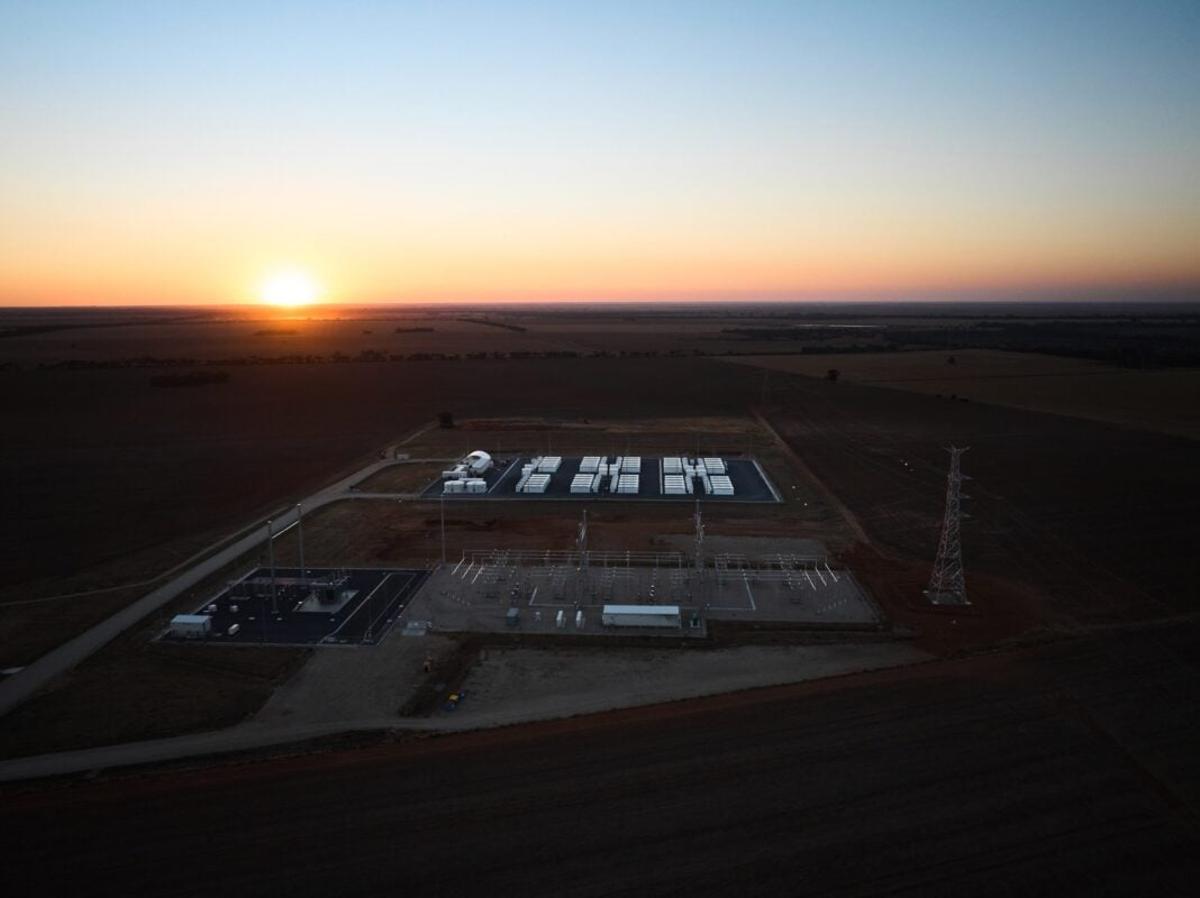
Grid-Forming Inverters Feature in 74% of Australia’s 33.2GW NEM Battery Storage Pipeline
Why It Matters
Grid‑forming inverters enable batteries to replace the ancillary services once supplied by coal plants, accelerating Australia’s clean‑energy transition and enhancing grid reliability. The rapid pipeline growth and investor confidence signal a decisive shift toward large‑scale storage as a cornerstone of future power systems.
Key Takeaways
- •74% of NEM pipeline projects use grid‑forming inverters
- •Battery storage pipeline hit 33.2 GW, up 62% YoY
- •Grid‑forming BESS provide voltage, frequency services formerly from coal
- •NSW still lacks 75% of 56 GWh storage needed by 2030
Pulse Analysis
The adoption of grid‑forming inverters is reshaping Australia’s power landscape. Unlike traditional converters, these inverters can set grid voltage and frequency, allowing battery energy storage systems (BESS) to deliver the same ancillary services once provided by spinning coal and gas turbines. AEMO’s emphasis on this technology reflects a broader strategy to maintain system strength as the nation phases out coal, ensuring stability while integrating ever‑larger shares of intermittent renewables.
Pipeline data underscores the momentum: the NEM now hosts 33.2 GW of battery projects, a 62% jump from Q1 2025 and accounting for 49% of the total 67.3 GW of generation under development. Utility‑scale batteries are outpacing wind and solar additions, while the application stage grew 51% year‑on‑year. Yet implementation hurdles—funding uncertainty, supply‑chain constraints, and design changes—are slowing progress toward commissioning. State targets illustrate the gap; New South Wales still needs 75% of its 56 GWh storage goal for 2030, and Victoria is racing to hit 6.3 GW by 2035.
Geopolitical turbulence in the Middle East has amplified Australia’s appeal as a safe‑haven for renewable investment. With an annual dependence of roughly US$35.6 billion on imported oil and diesel, the country offers low risk, abundant land, and strong wind‑solar resources, attracting capital that might otherwise flow to Middle‑Eastern battery markets. Europe’s record‑breaking 3.4 GWh BESS deployment in March 2026 and China’s 2.8 GW contribution highlight the global race, but Australia’s stable policy environment positions it to capture a growing share of the international storage boom.
Grid-forming inverters feature in 74% of Australia’s 33.2GW NEM battery storage pipeline
Comments
Want to join the conversation?
Loading comments...