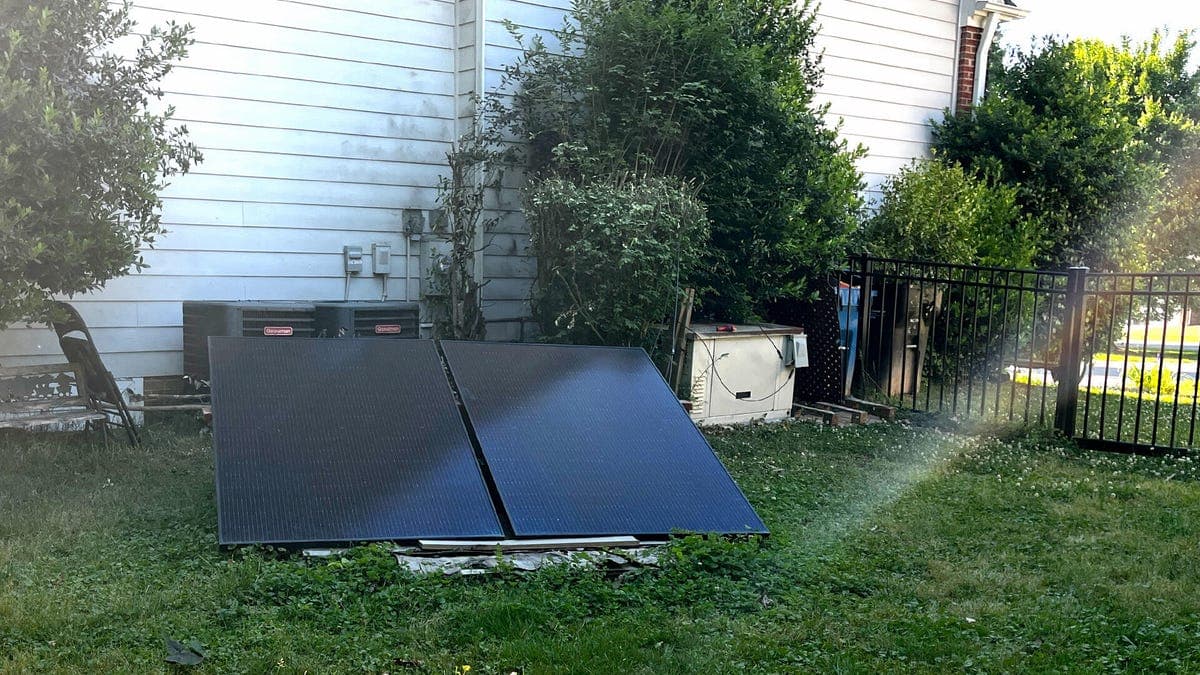
How I Make My Solar Panels Last Long Enough to Pay for Themselves
Companies Mentioned
Why It Matters
Maintaining solar panels safeguards the investment’s return timeline and ensures reliable, clean energy generation for homeowners and small‑scale adopters.
Key Takeaways
- •Dust can cut solar output up to 20%, extending payback
- •Cleaning with soft brush and soapy water preserves efficiency
- •Visual inspection catches cracks, delamination before failure
- •Simple multimeter tests verify voltage and current quickly
- •Handle panels gently; avoid bending or dragging wires
Pulse Analysis
Solar panel owners often focus on the upfront cost and expected energy savings, but the real determinant of a system’s profitability is ongoing performance. A $550 400‑watt flexible panel, for example, generates roughly 1.5 kWh per day at current U.S. rates, translating to a five‑year pay‑back under ideal conditions. However, real‑world factors—dust, pollen, bird droppings, and salt spray—can erode output by 5‑20 percent, adding months or even a year to the return horizon. Understanding that maintenance directly influences ROI reframes solar from a set‑and‑forget purchase to an active asset that requires periodic attention.
Cleaning is the most cost‑effective maintenance task, yet many users over‑engineer the process with high‑pressure washers or harsh chemicals that risk micro‑scratches. A soft brush, mild soap, and a microfiber cloth applied in cooler morning or evening light remove the bulk of contaminants without thermal shock. Studies show that a light dust layer can shave 5 % off daily generation, while heavy sand deposits may halve output. By adopting a simple weekly rinse routine, homeowners can preserve near‑peak efficiency and keep the pay‑back schedule on track without significant labor costs.
Diagnosing a underperforming panel no longer requires a specialist; a basic multimeter can confirm open‑circuit voltage and short‑circuit current against manufacturer specs. Coupled with a visual inspection for cracked glass, delamination or loose MC4 connectors, users can isolate faults before they cascade into larger system failures. Early detection not only protects warranty claims but also minimizes downtime during peak solar months. As the residential solar market matures, informed maintenance practices become a competitive advantage, ensuring that clean‑energy investments deliver both environmental and financial returns.
How I make my solar panels last long enough to pay for themselves
Comments
Want to join the conversation?
Loading comments...