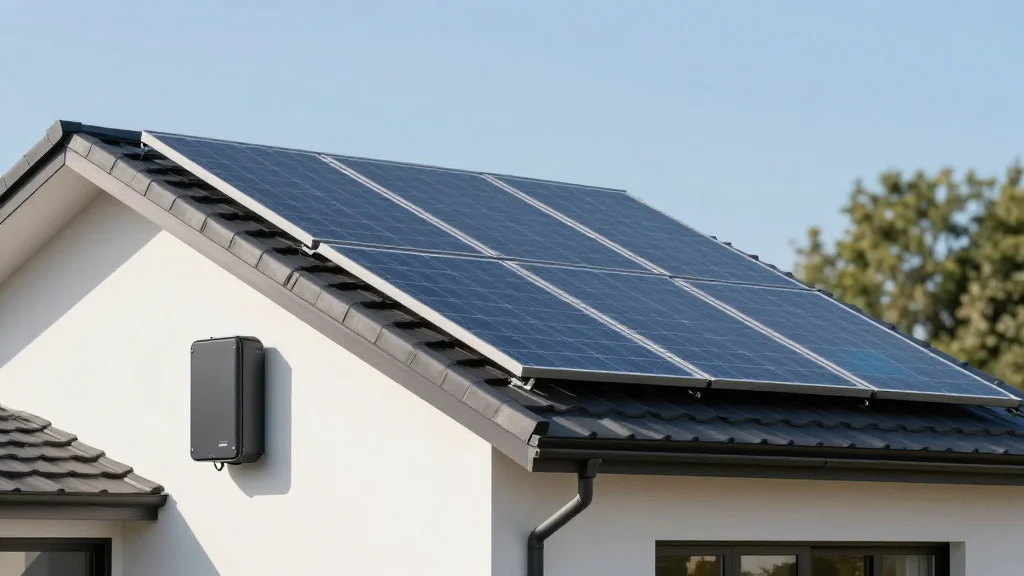
How Rooftop Solar and Home Batteries Became “Kryptonite” To Big Coal and the Fossil Fuel Industry
Why It Matters
Mass adoption of residential solar and batteries is eroding coal’s market share, reshaping Australia’s energy mix and providing a replicable blueprint for global decarbonisation.
Key Takeaways
- •380,000 home batteries installed under 2026 Cheaper Home Batteries scheme
- •Rooftop solar survived 2014 anti‑renewables push, proving political resilience
- •SEC CEO John Grimes to lead Renewable Energy Council Asia Pacific
- •Consumer‑driven rollout bypasses transmission, financing, and licensing blocks
- •Australian model offers a scalable template for worldwide fossil‑fuel transition
Pulse Analysis
Australia’s energy transition has accelerated thanks to a unique blend of policy, industry collaboration, and consumer enthusiasm. The 2014 Small‑scale Renewable Energy Scheme survived a concerted anti‑renewables campaign, proving that rooftop solar could thrive despite political headwinds. Since then, the federal Labor government’s Cheaper Home Batteries scheme has delivered unprecedented scale, with over 380,000 residential storage systems installed by 2026. This surge has amplified solar generation, reduced peak‑load pressure on the grid, and forced coal generators to confront declining demand.
The impact extends beyond sheer numbers. By empowering homeowners to generate and store electricity, the program eliminates traditional transmission bottlenecks and sidesteps financing and social‑license obstacles that often stall large‑scale projects. Installers now operate on every roof, creating a distributed workforce that fuels local economies and accelerates technology adoption. For coal‑heavy utilities, the growing battery‑backed solar portfolio represents a direct revenue threat, prompting a strategic reassessment of asset portfolios and prompting some to invest in renewable partnerships to stay relevant.
Looking outward, the Australian model offers a template for other markets grappling with entrenched fossil‑fuel interests. Grimes’ upcoming leadership of the Renewable Energy Council Asia Pacific signals an intent to export these lessons across the region, where similar consumer‑driven dynamics could undercut coal’s dominance. If replicated, the combination of supportive policy, scalable financing, and a skilled installer base could catalyze a rapid, bottom‑up decarbonisation wave, reshaping global energy geopolitics and delivering both climate and economic benefits.
How rooftop solar and home batteries became “kryptonite” to big coal and the fossil fuel industry
Comments
Want to join the conversation?
Loading comments...