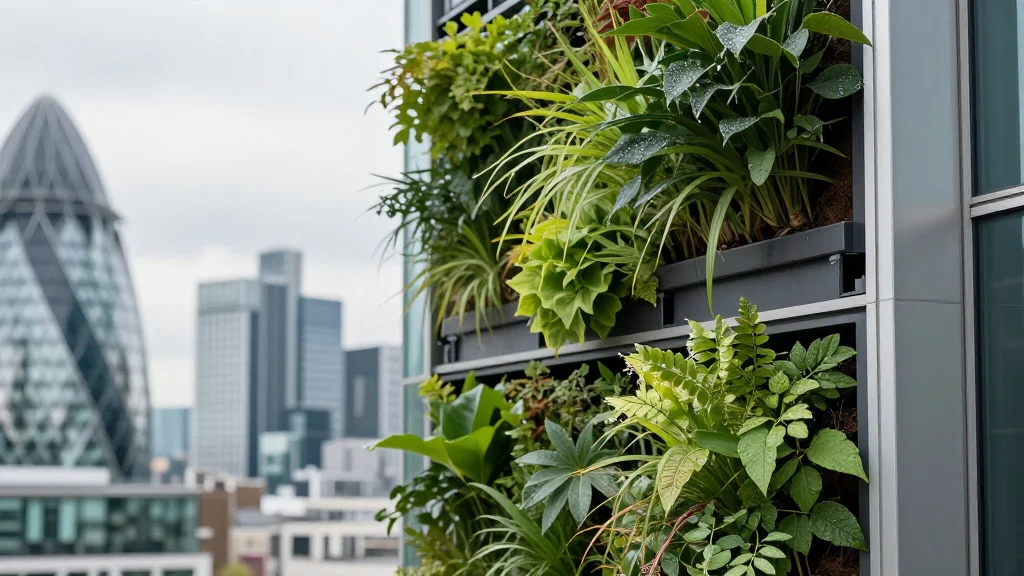
How Viritopia Grew From a Plant Nursery Business Into Providing 'Living Walls' For Cityscapes
Why It Matters
Living walls can reduce building energy use by up to 15%, supporting net‑zero targets and creating new revenue streams for developers.
Key Takeaways
- •Viritopia transformed from nursery to green‑infrastructure provider.
- •Living walls shade façades, lowering solar heat gain.
- •Modular systems enable rapid installation across multiple sites.
- •Industry sees living walls as climate‑resilience technology, not just décor.
Pulse Analysis
The rise of living walls reflects a broader shift toward biophilic design, where greenery is integrated into the built environment to deliver both aesthetic and performance gains. Viritopia’s evolution from a modest plant nursery to a specialist green‑infrastructure firm illustrates how niche horticultural expertise can be leveraged to meet urban sustainability goals. By 2025, the global market for vertical greening systems is projected to exceed $1.2 billion, driven by increasing demand from developers seeking to differentiate properties and comply with stricter energy codes.
Beyond visual appeal, living walls act as passive climate control systems. The dense plant media absorb solar radiation, reducing heat gain on façades by up to 15 % and lowering cooling loads, while transpiration improves indoor air quality and mitigates urban heat island effects. Viritopia’s flagship 500‑square‑metre installation on a London office tower demonstrated a 12 % reduction in HVAC energy consumption during summer months, translating into annual savings of roughly £45,000 (≈ $58,000). Such performance data is prompting architects and facilities managers to incorporate green façades into early design stages rather than as retrofit add‑ons.
Scaling living walls, however, faces hurdles including higher upfront costs, maintenance logistics, and a lingering perception of them as luxury features. Policy incentives—such as tax credits for energy‑efficient retrofits and municipal green‑building mandates—could accelerate adoption. Viritopia’s partnership with a major property developer aims to standardize modular panels, driving down unit costs and simplifying installation across multiple sites. As cities intensify climate‑action plans, living walls are poised to become a mainstream tool for achieving net‑zero building portfolios and enhancing urban livability.
How Viritopia grew from a plant nursery business into providing 'living walls' for cityscapes
Comments
Want to join the conversation?
Loading comments...